
3rd Global INTAN-Invest Conference – Rome 7-8 May 2026
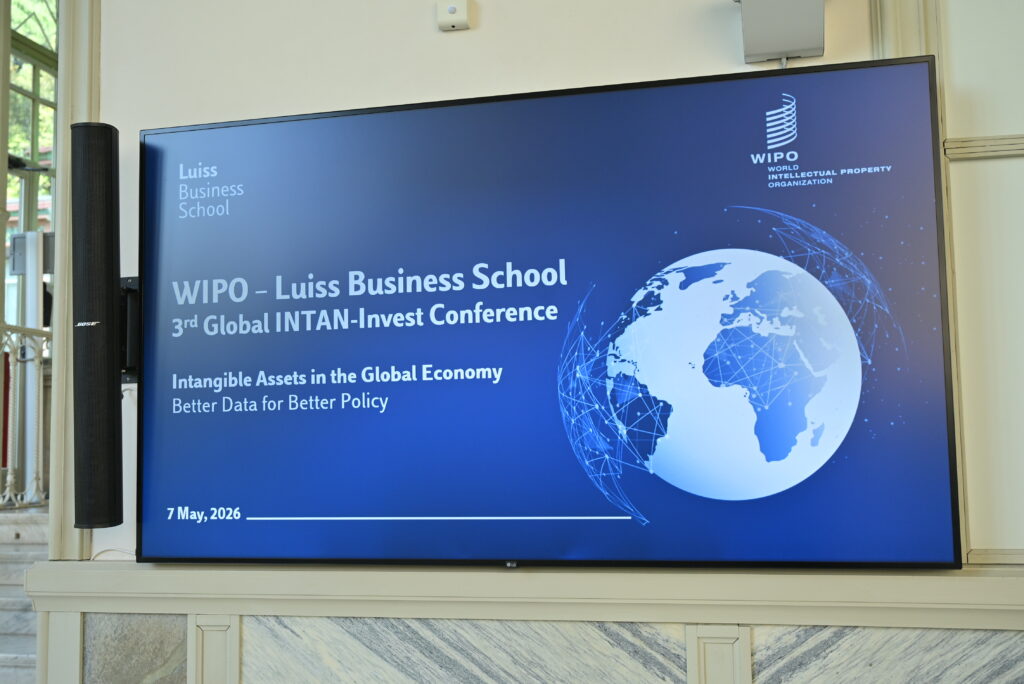
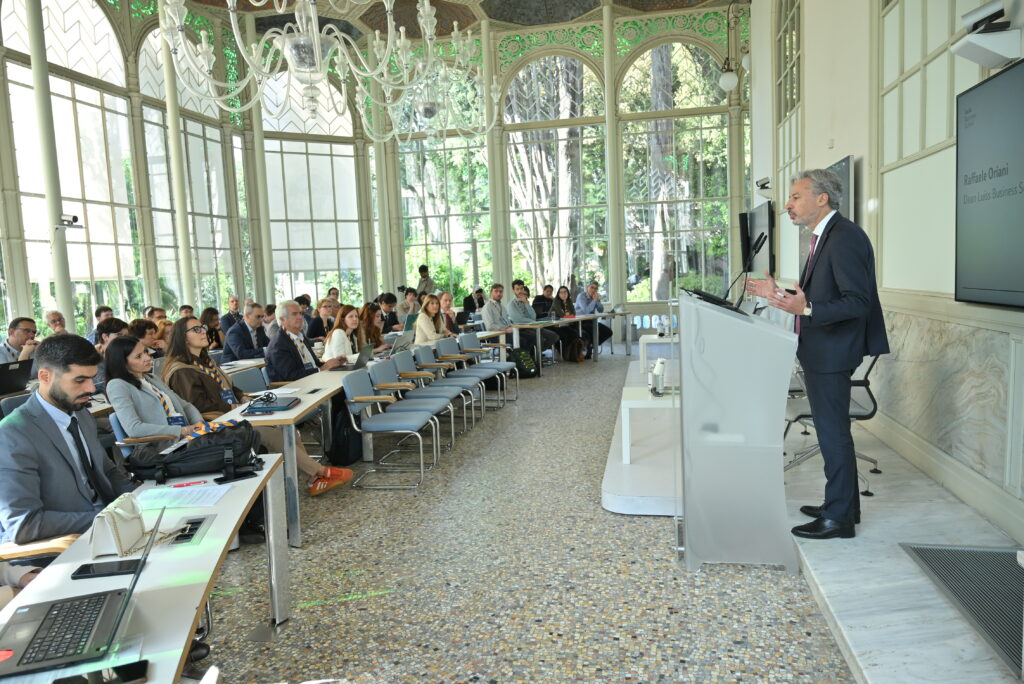
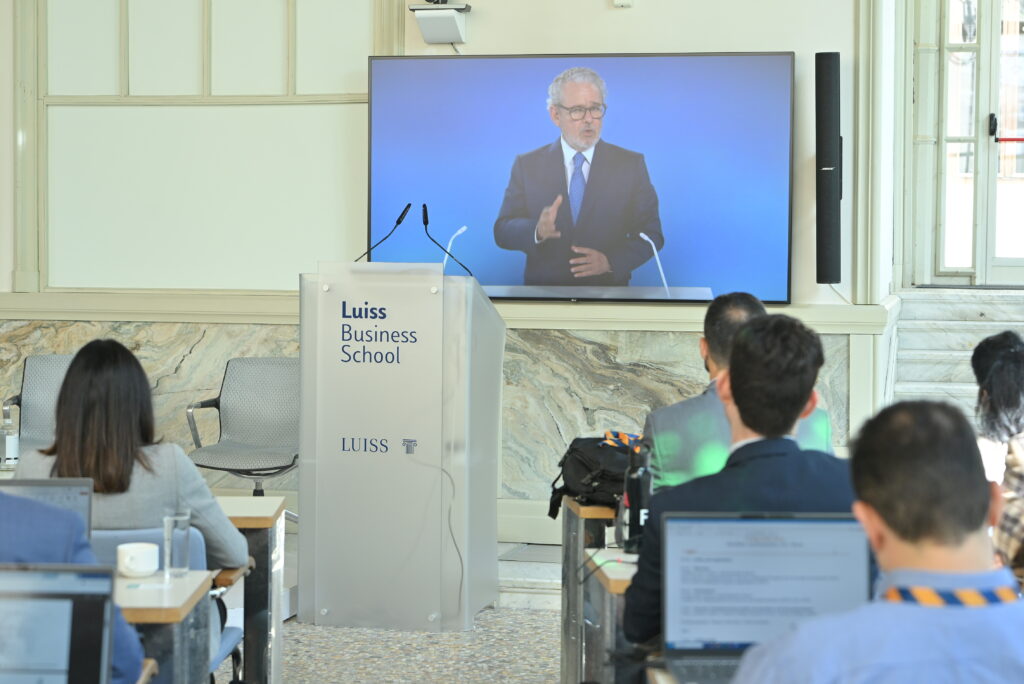
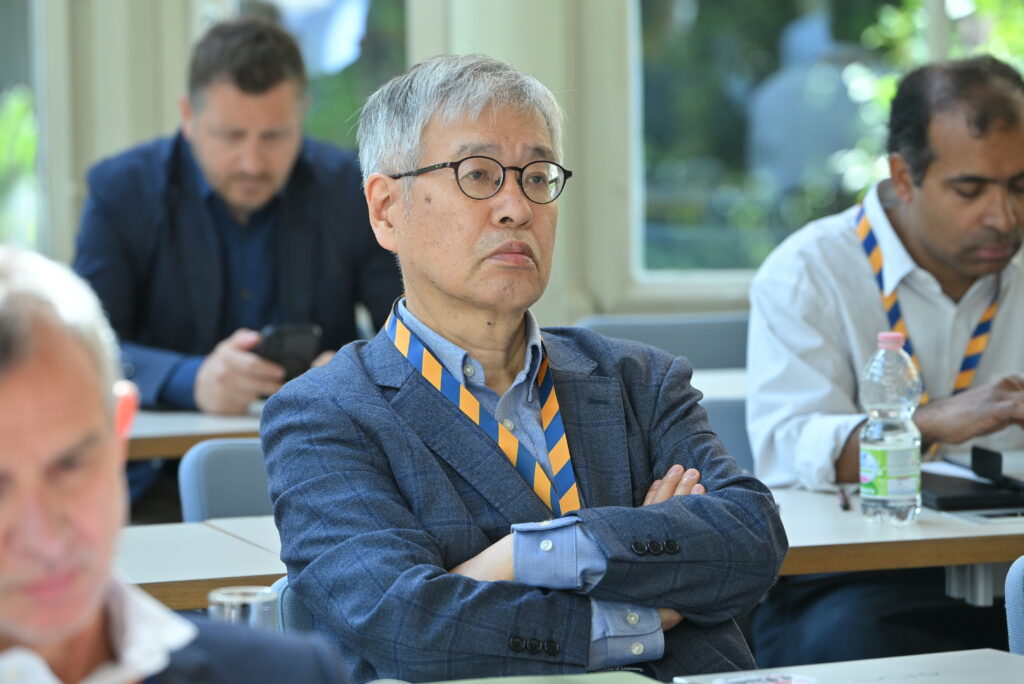
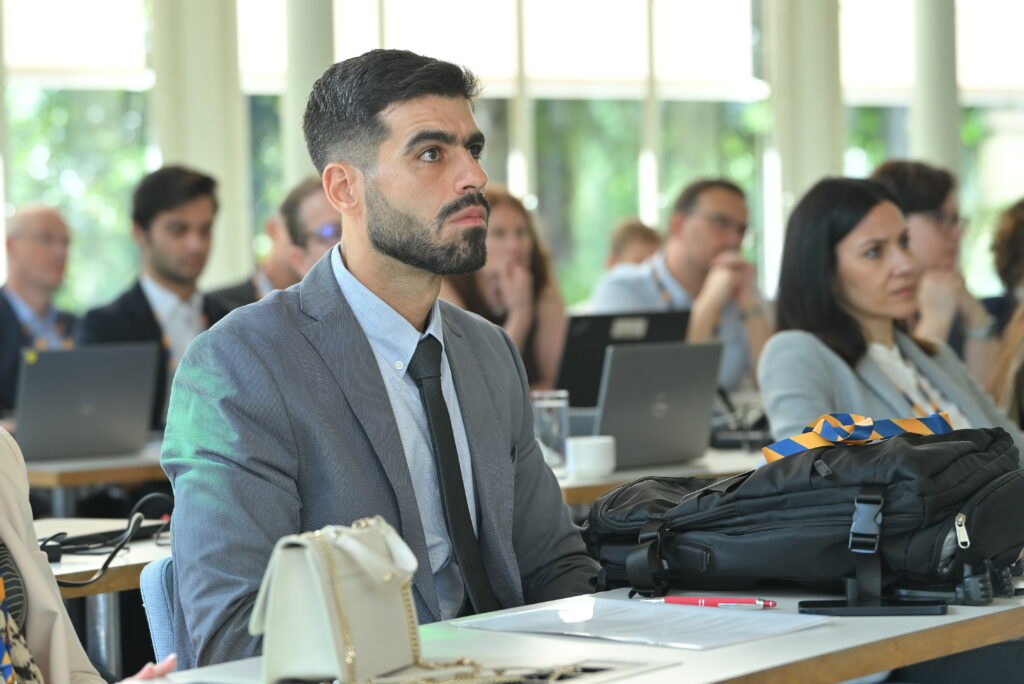
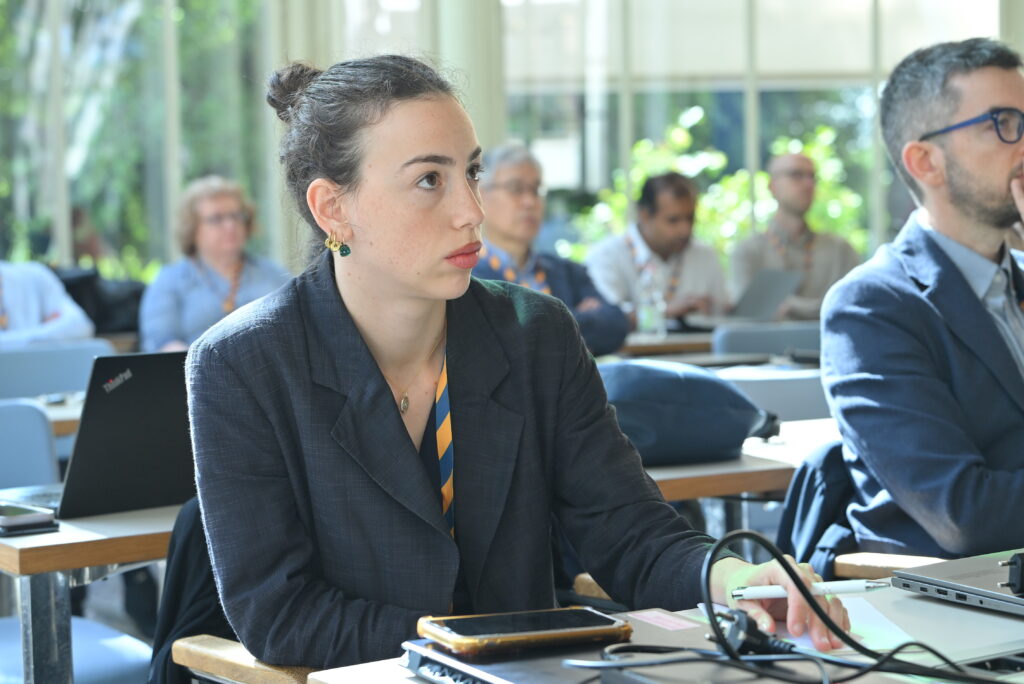
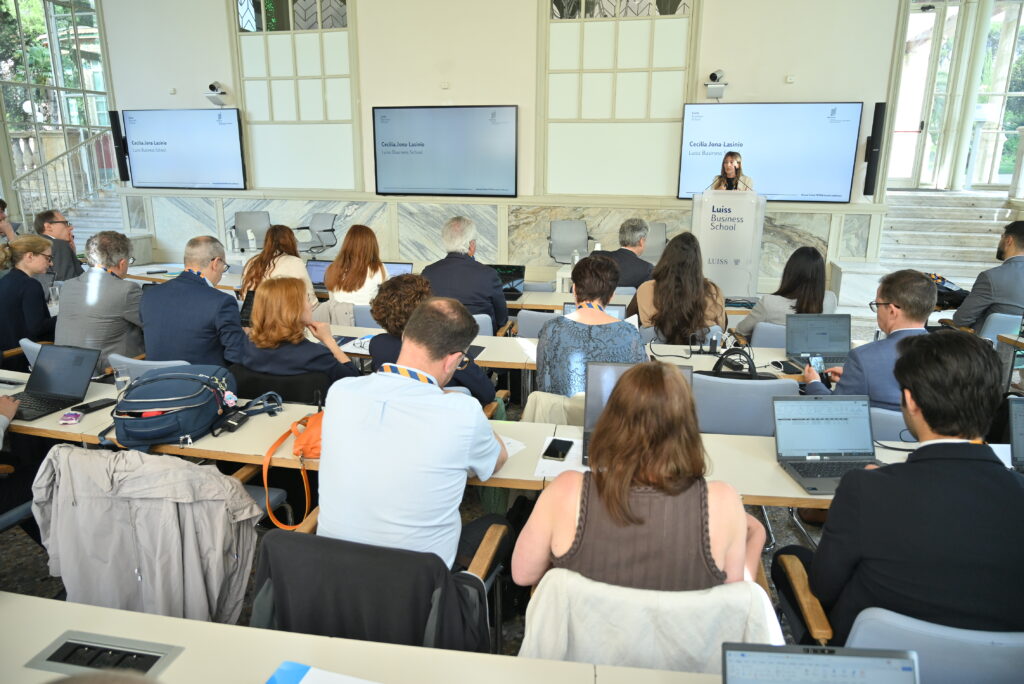
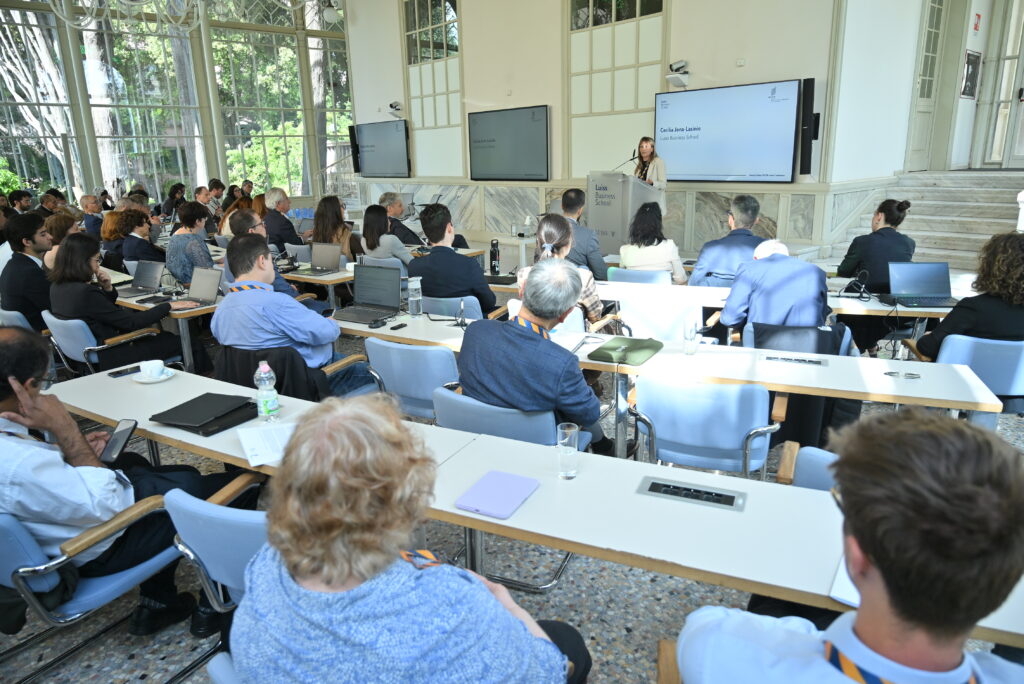
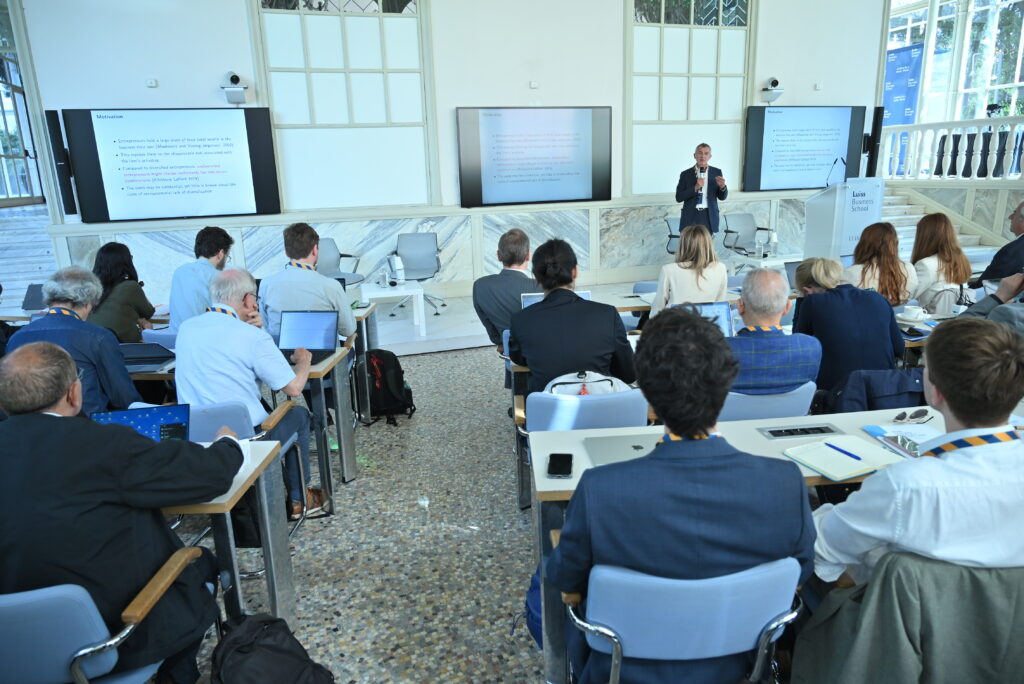
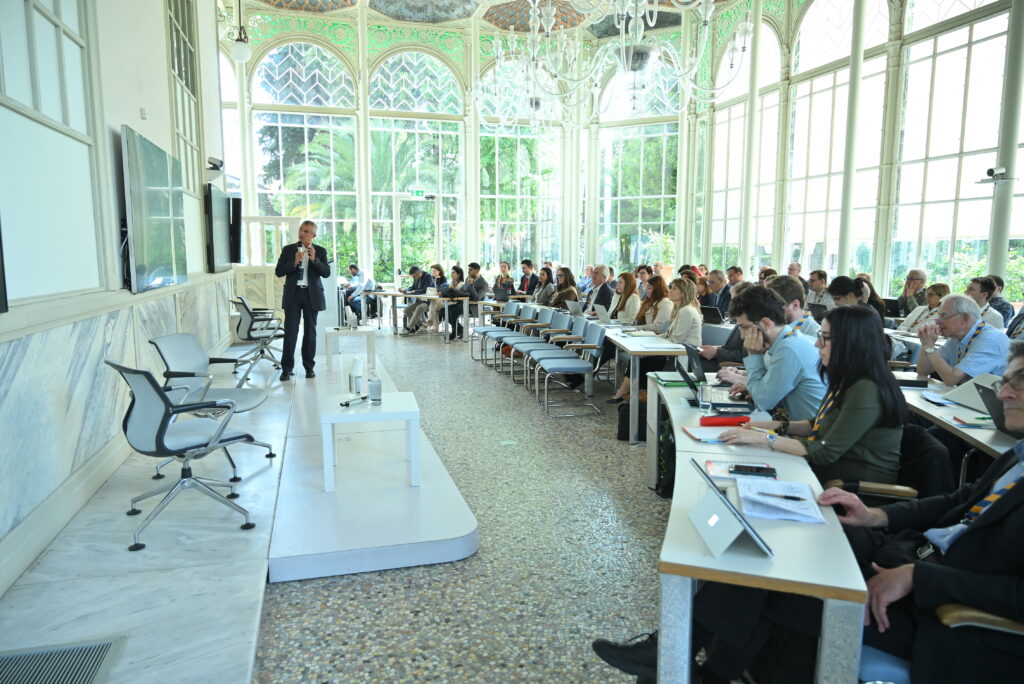
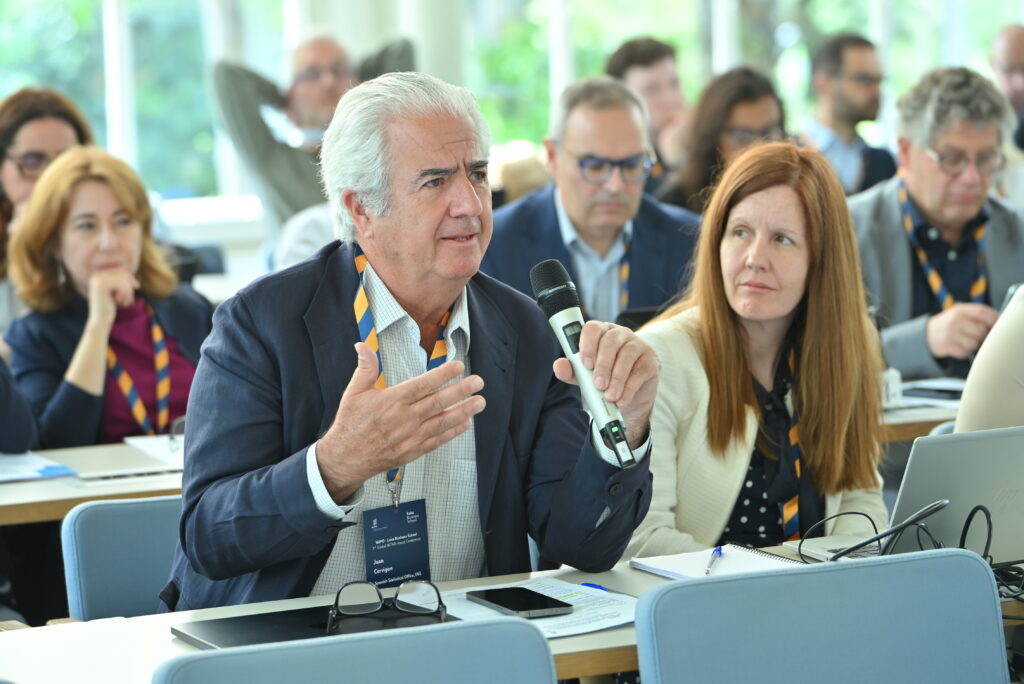
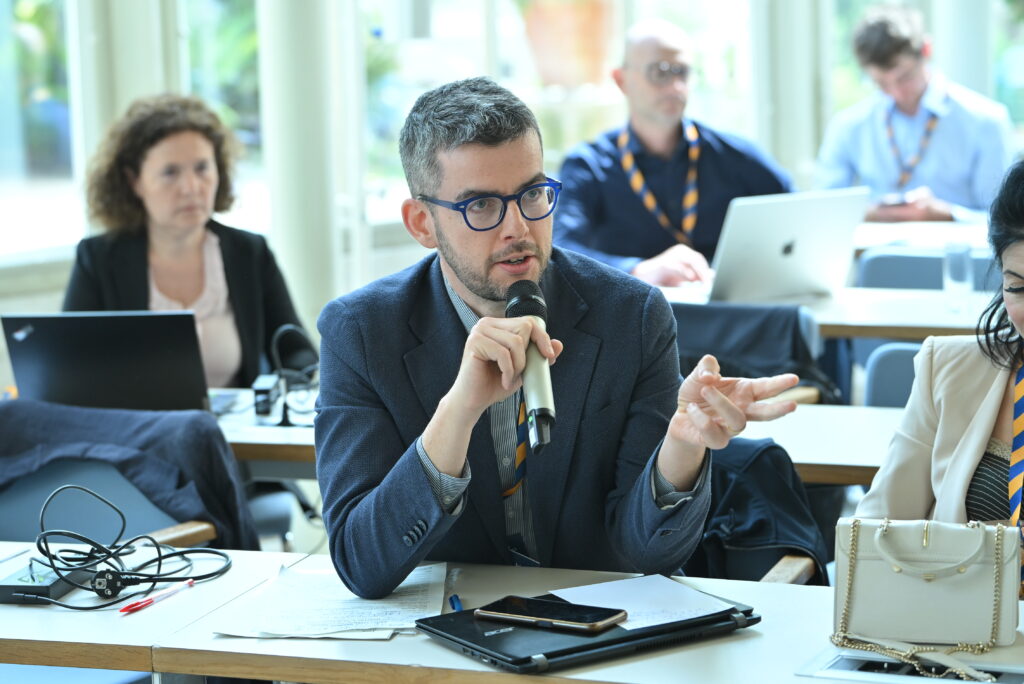
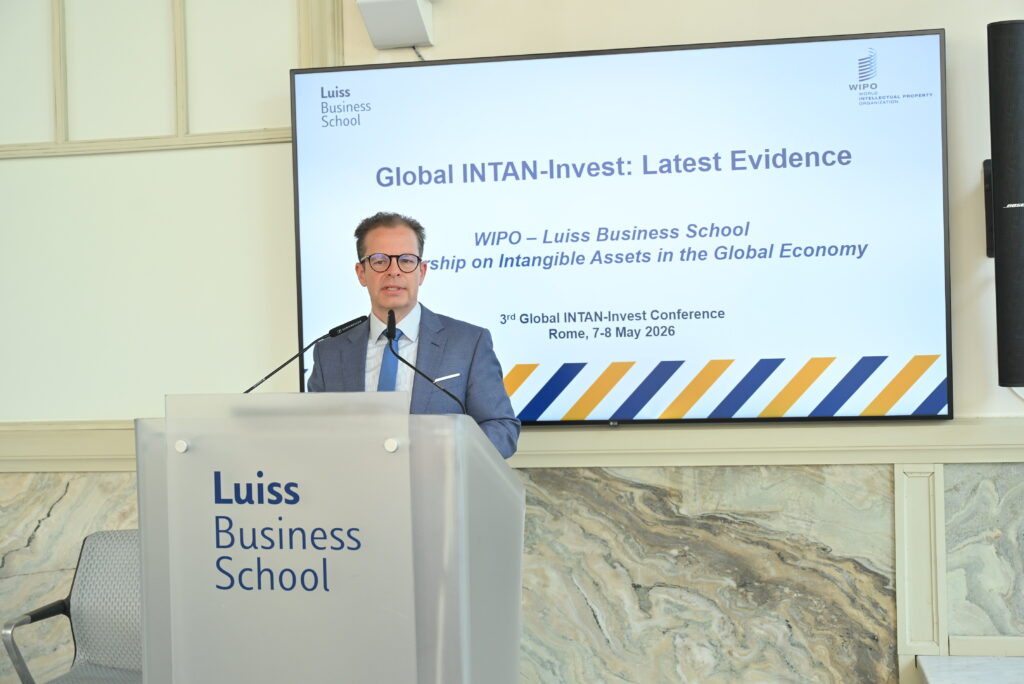
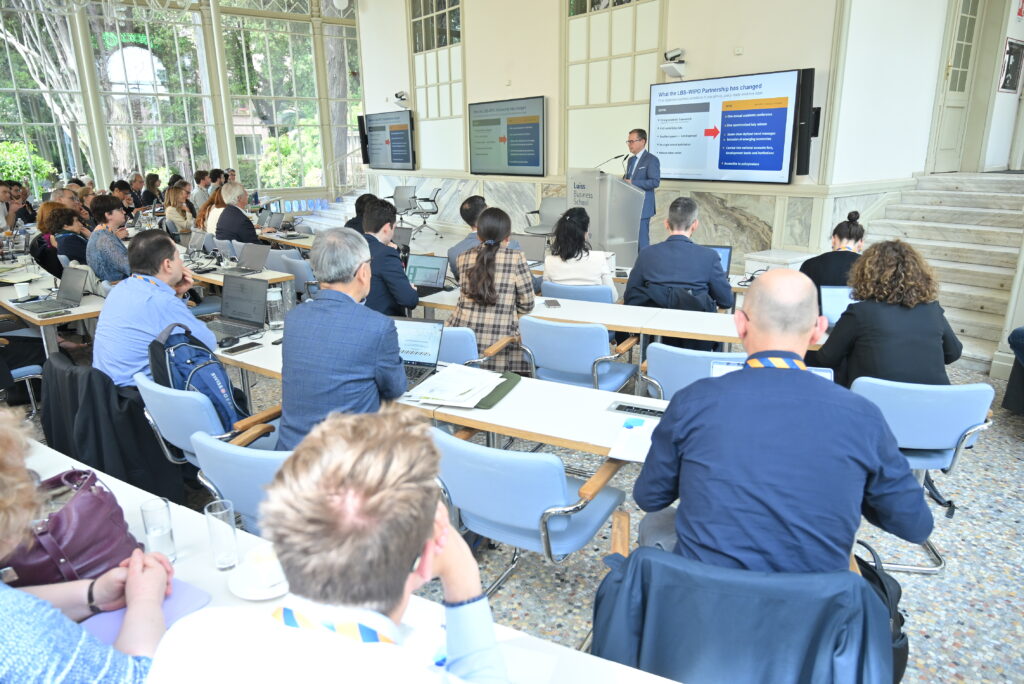
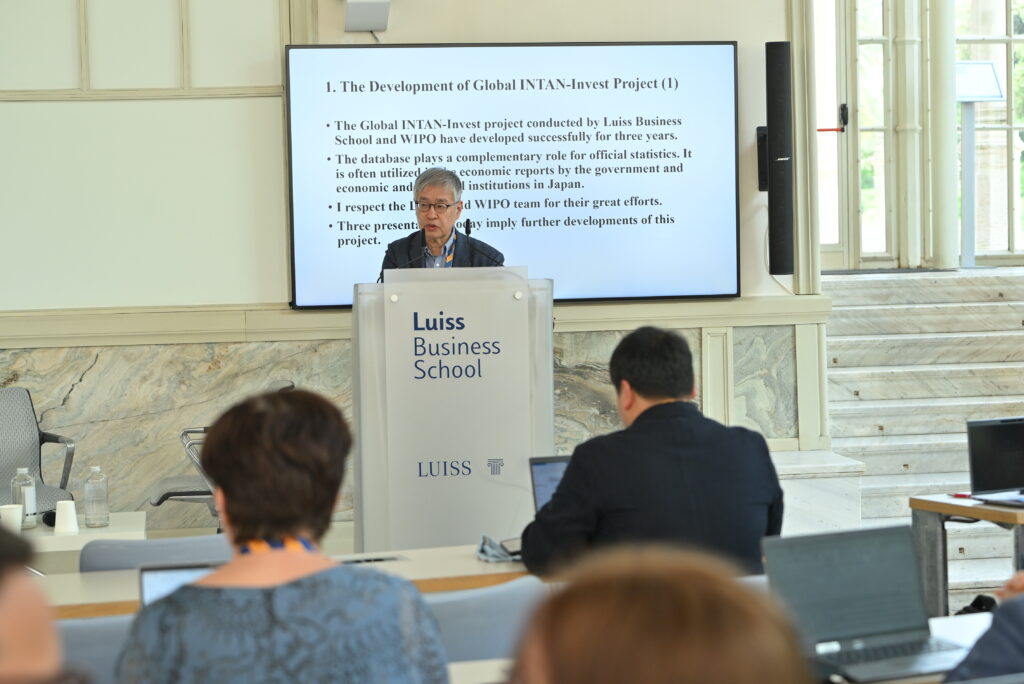
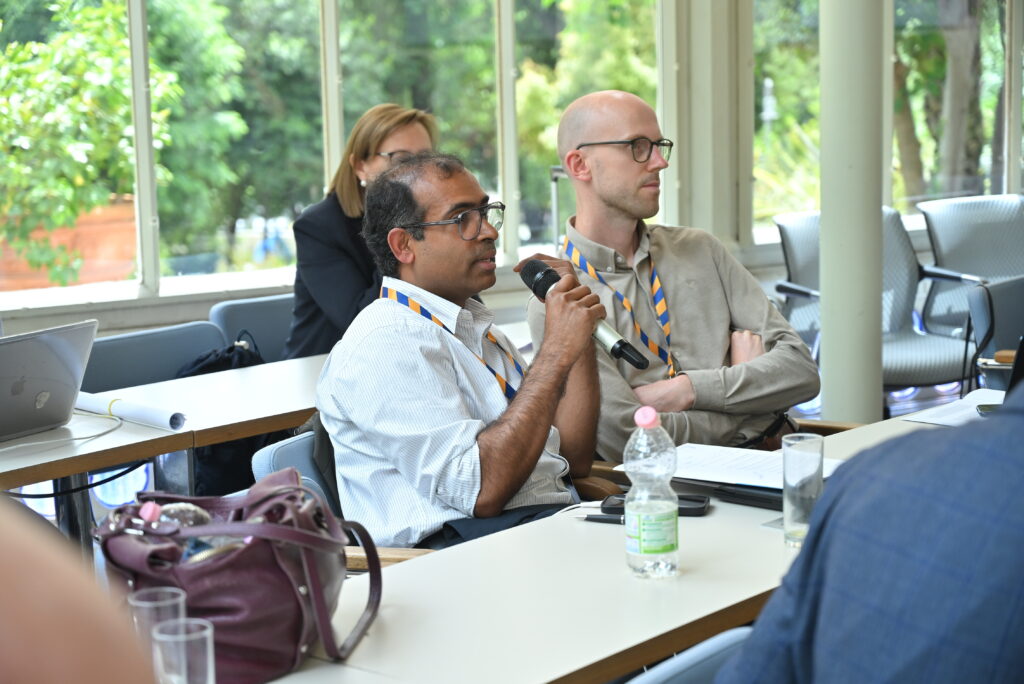
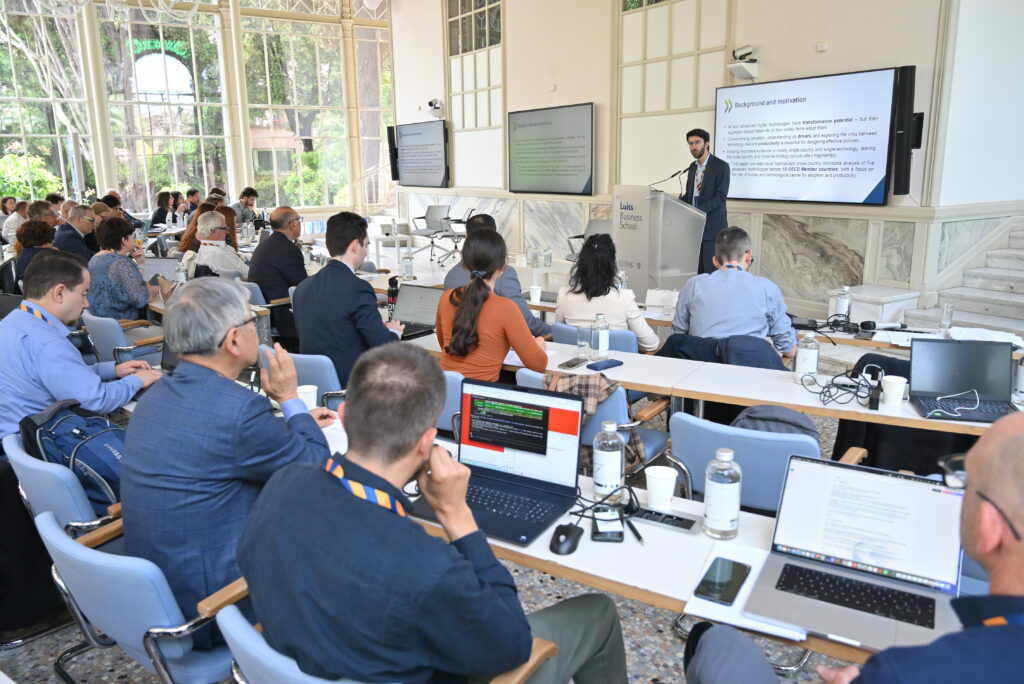
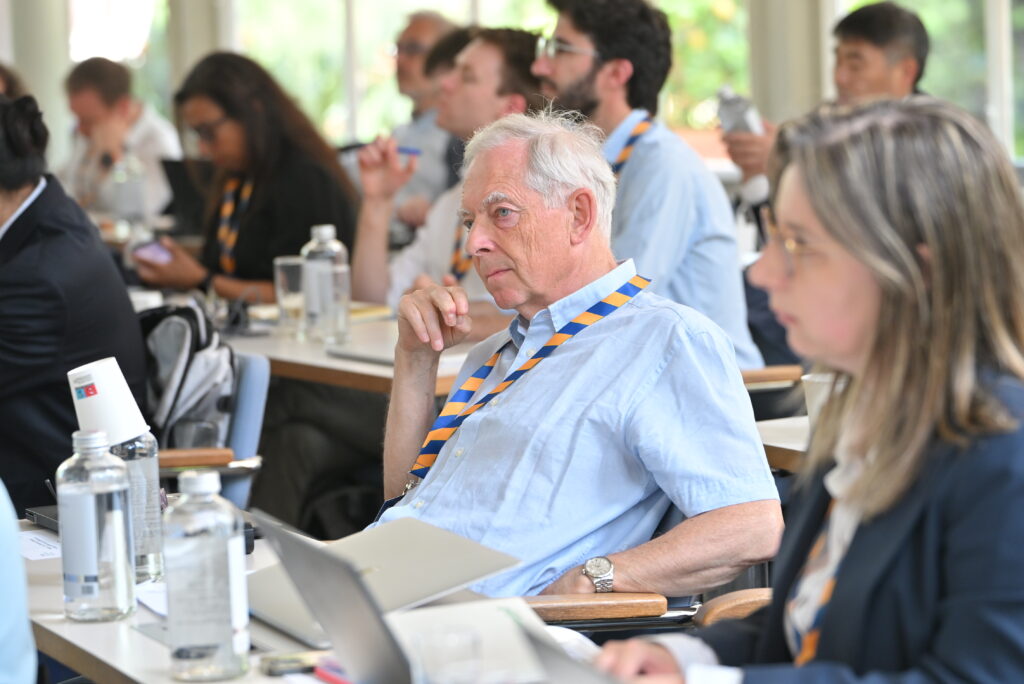
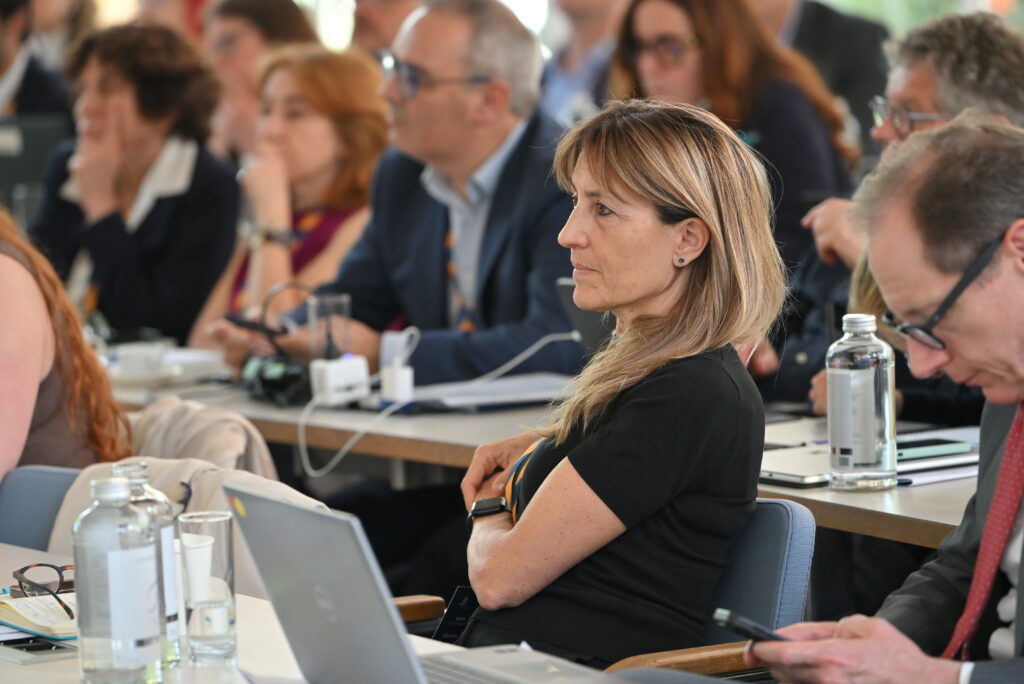
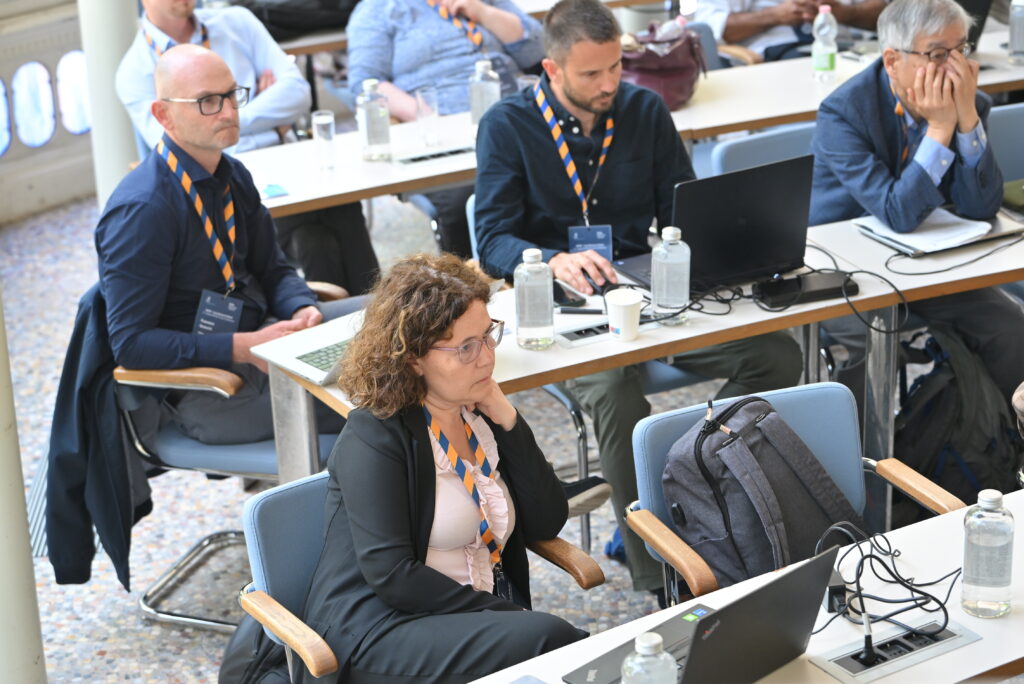
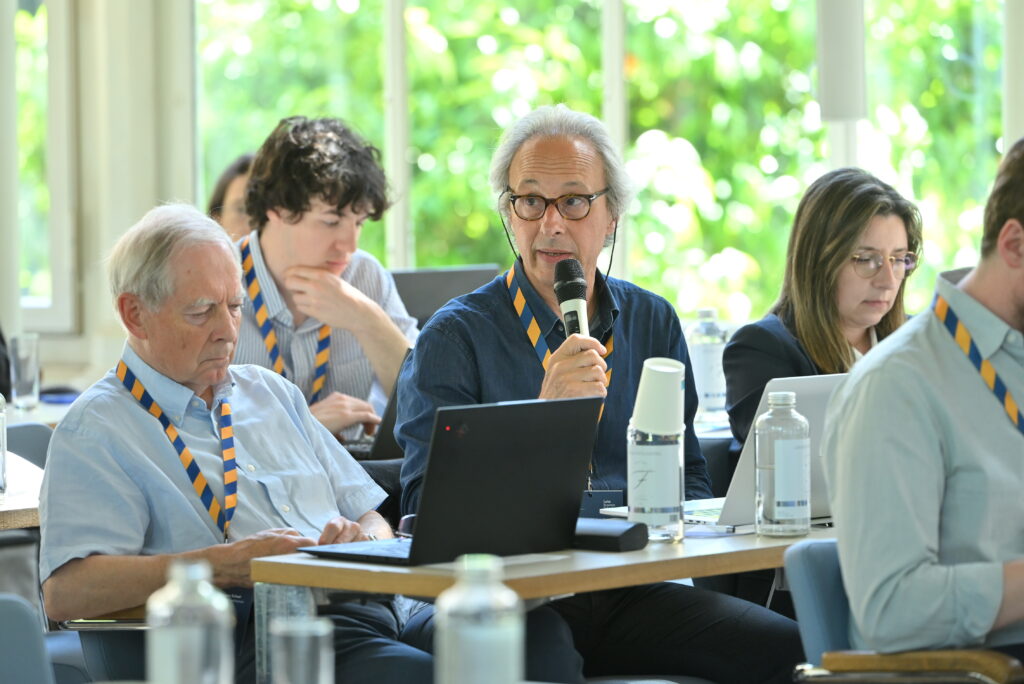
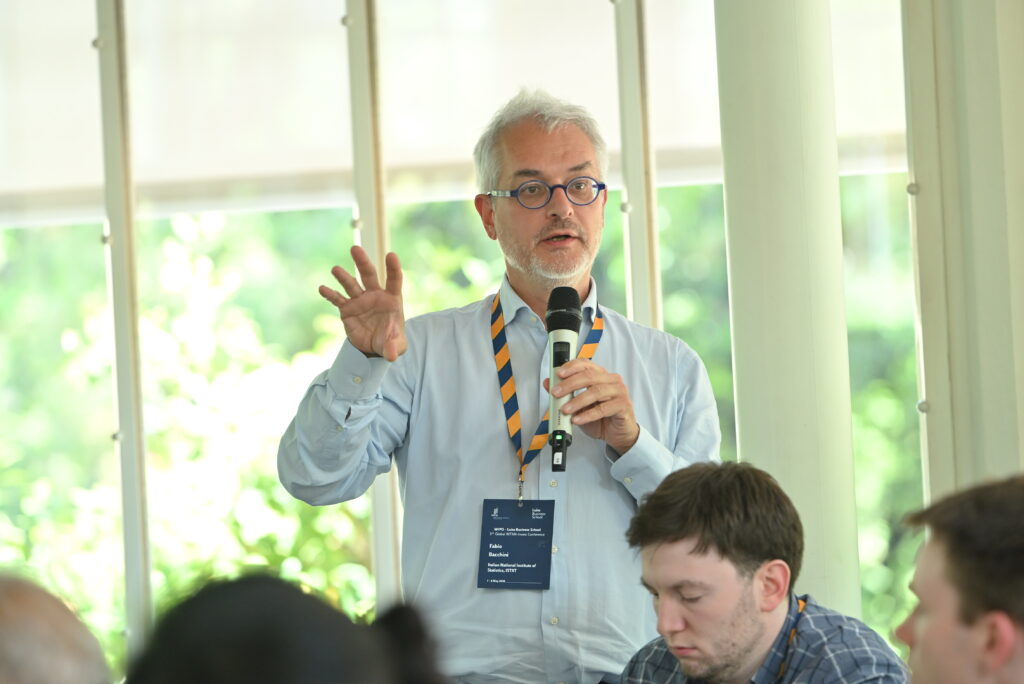
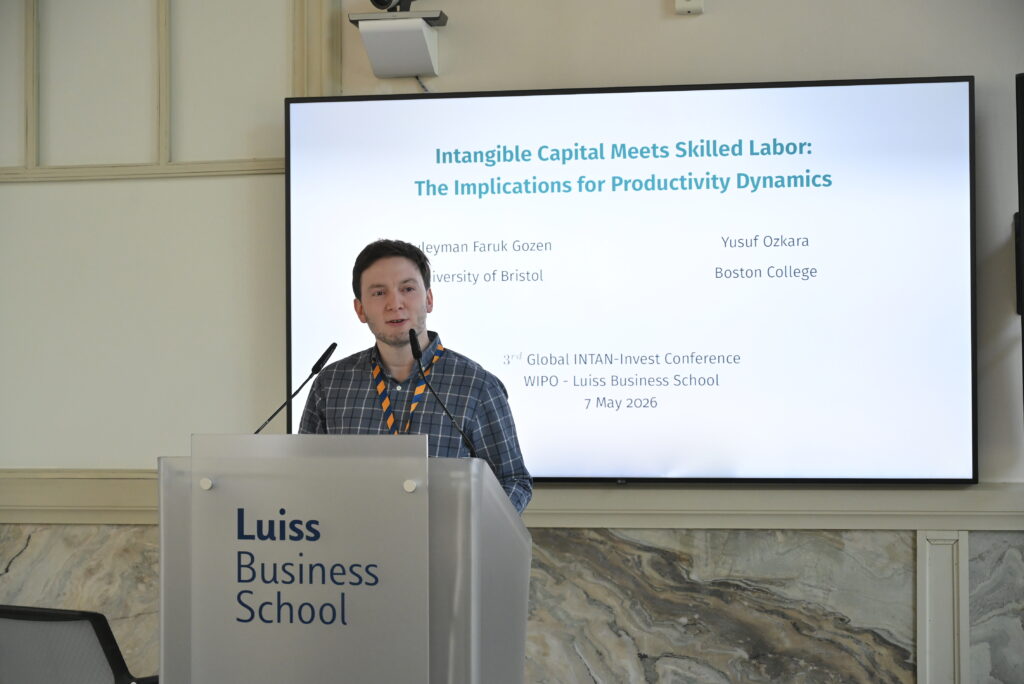
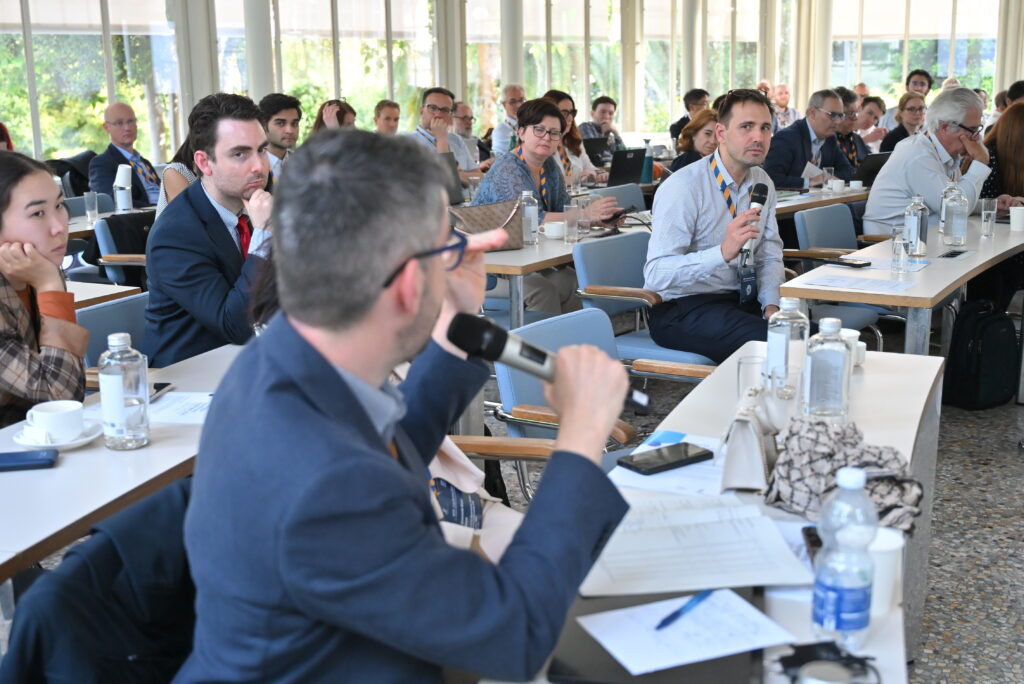
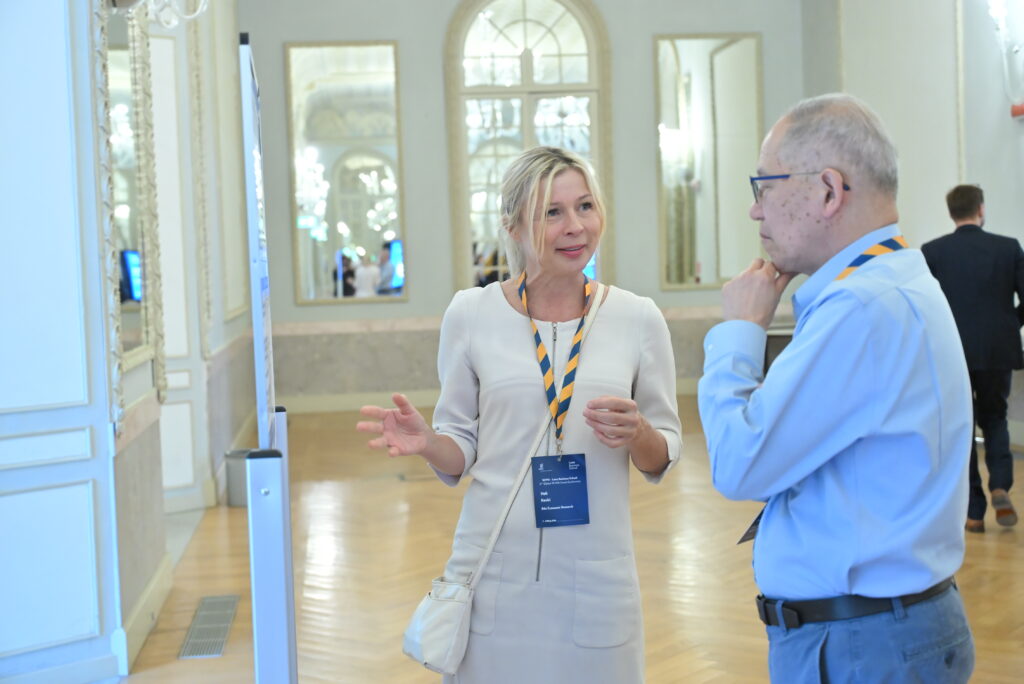
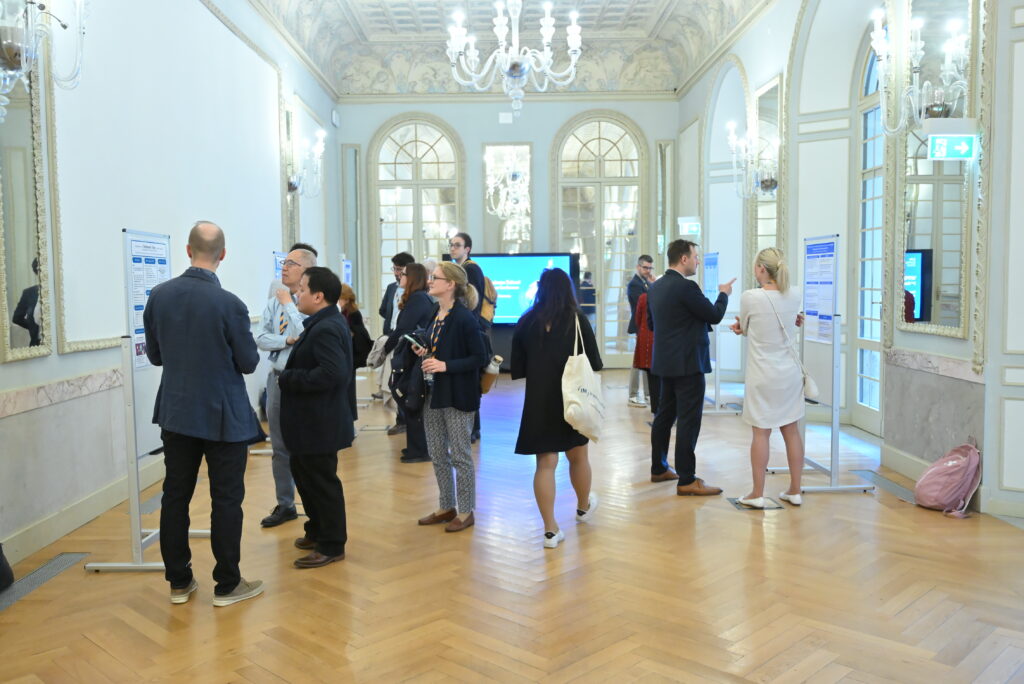
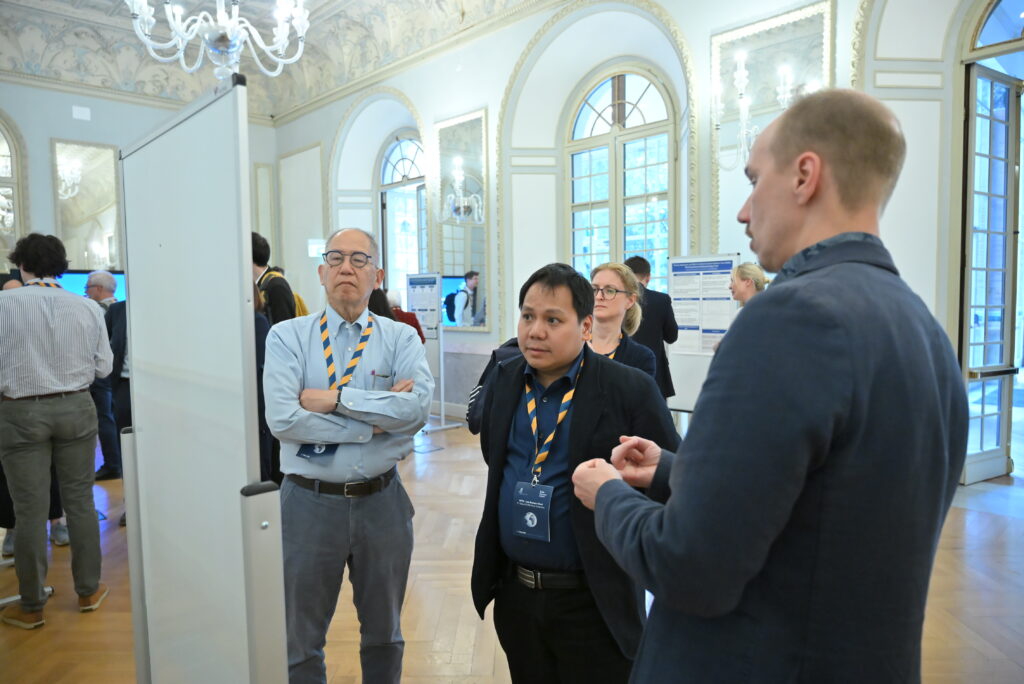
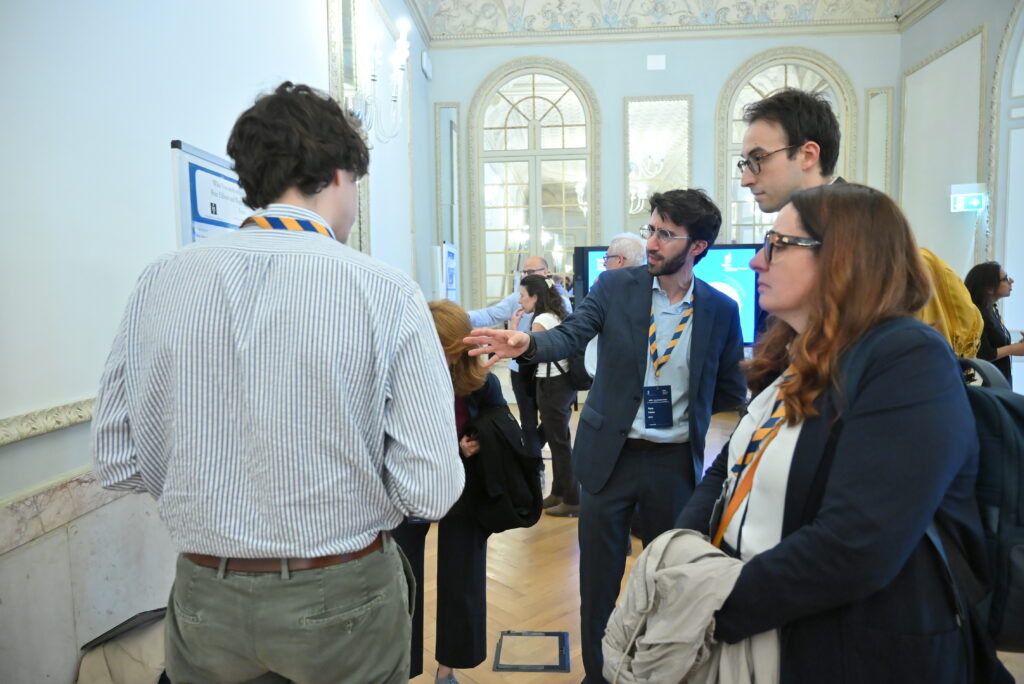
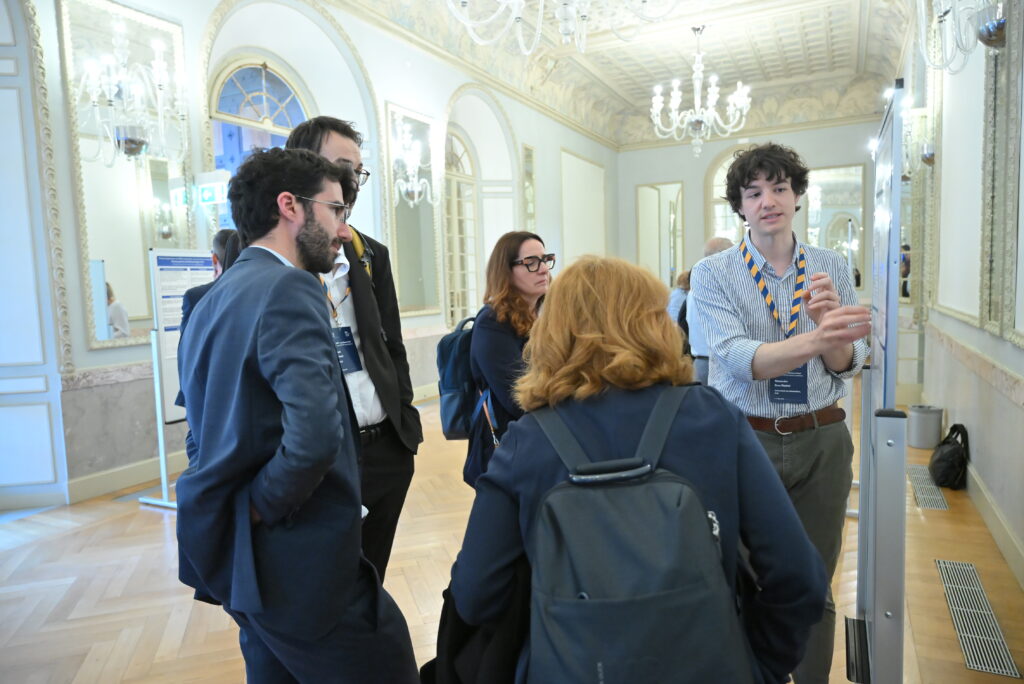
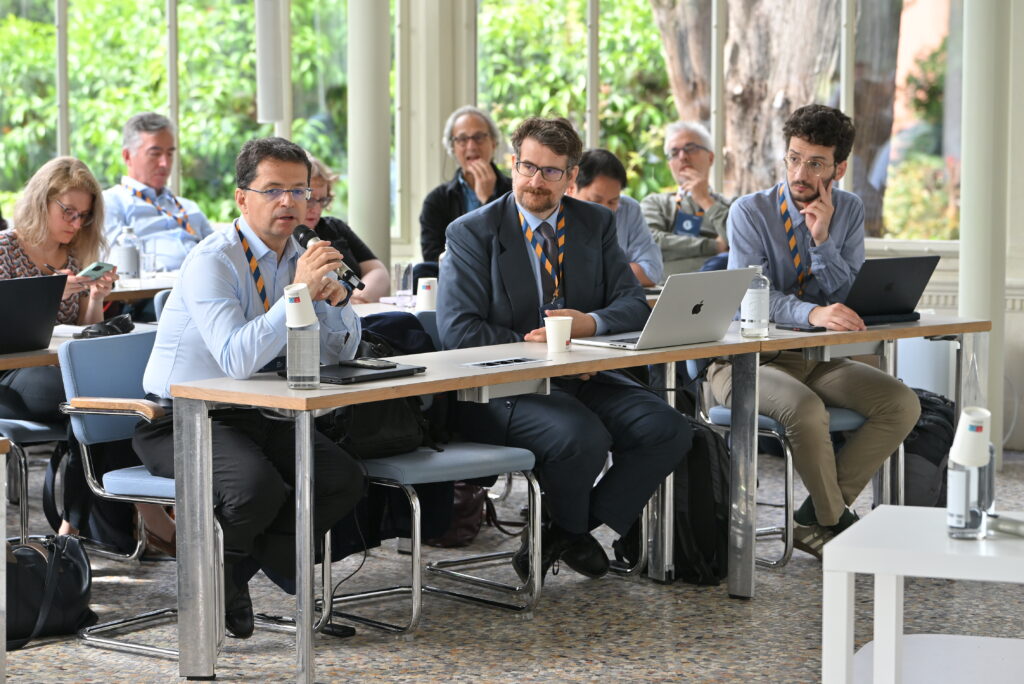
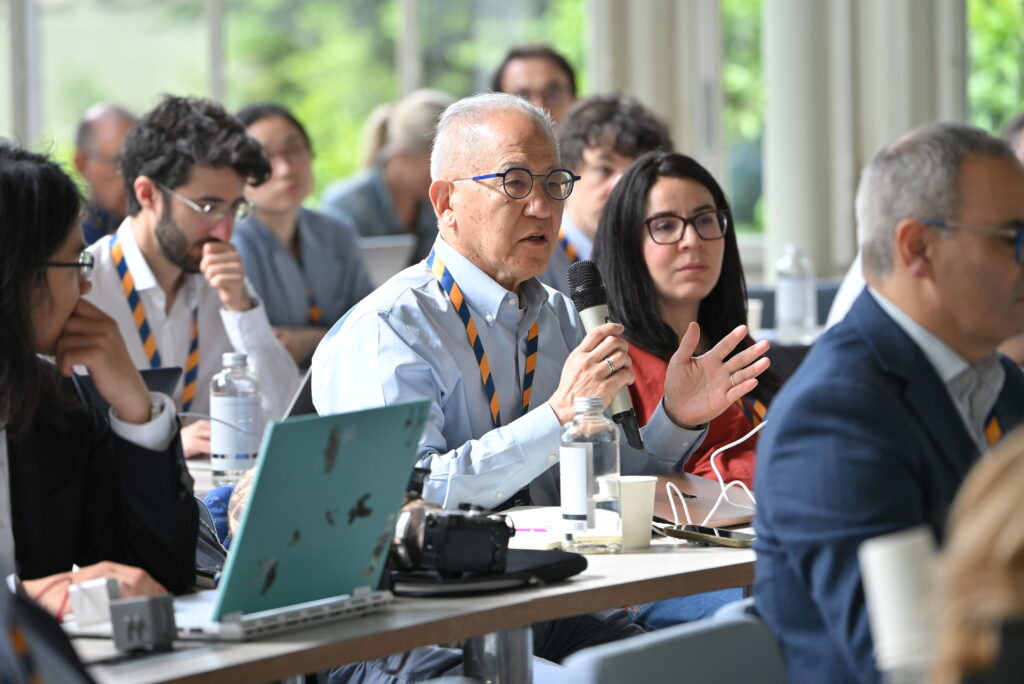
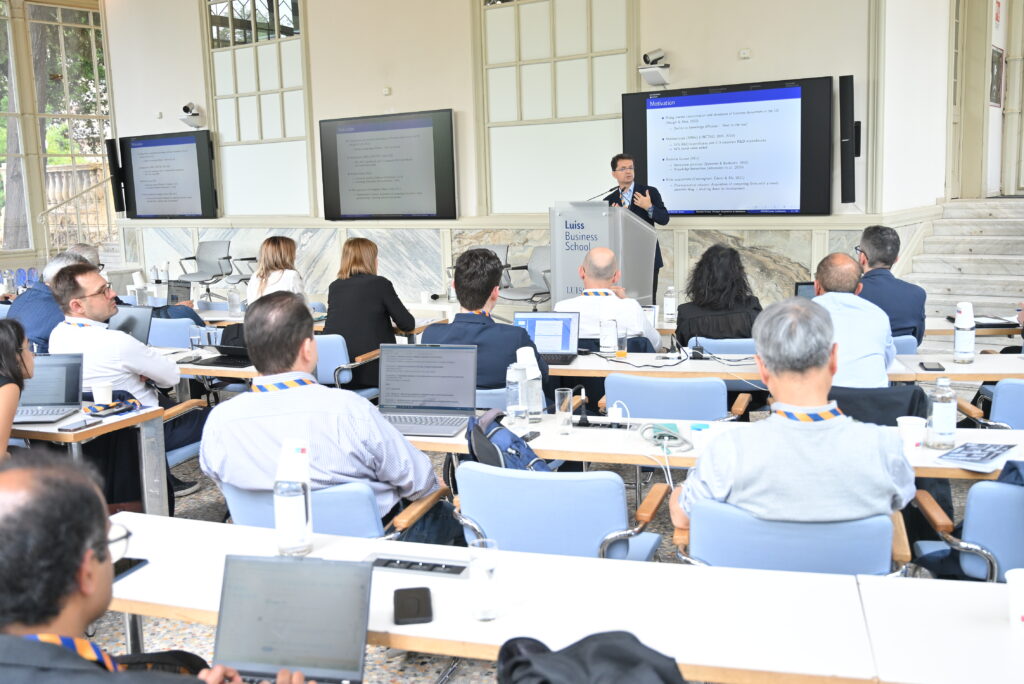
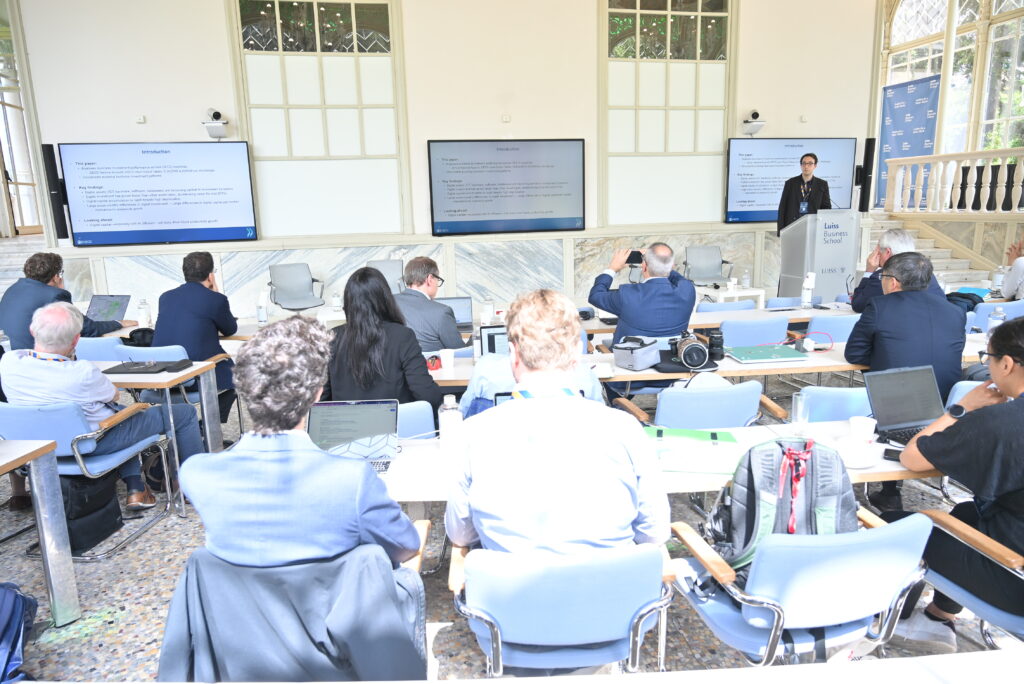
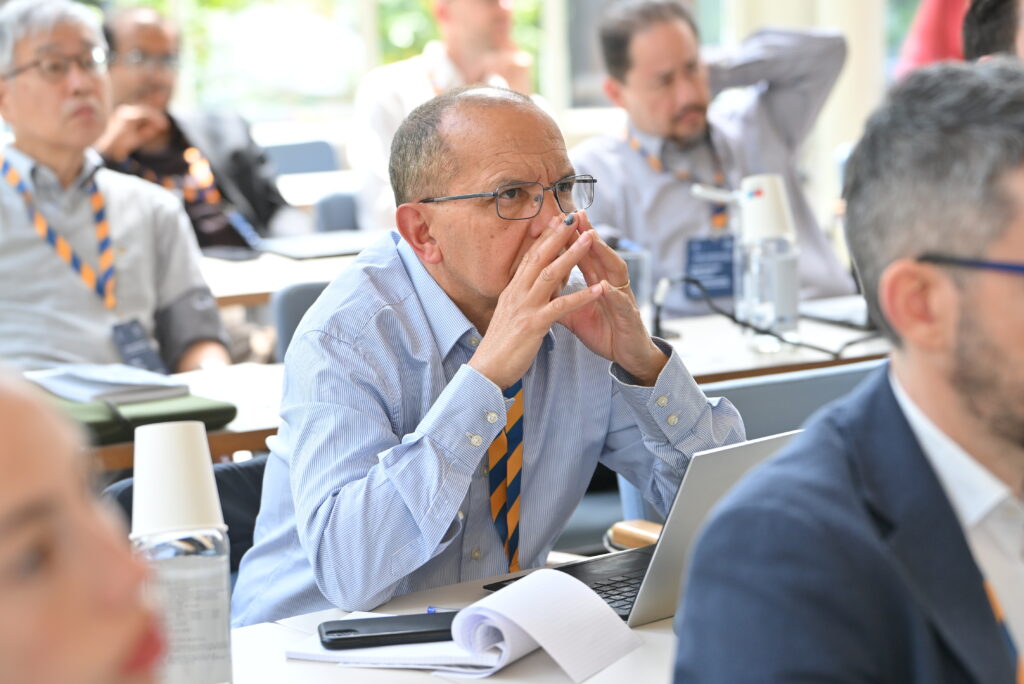
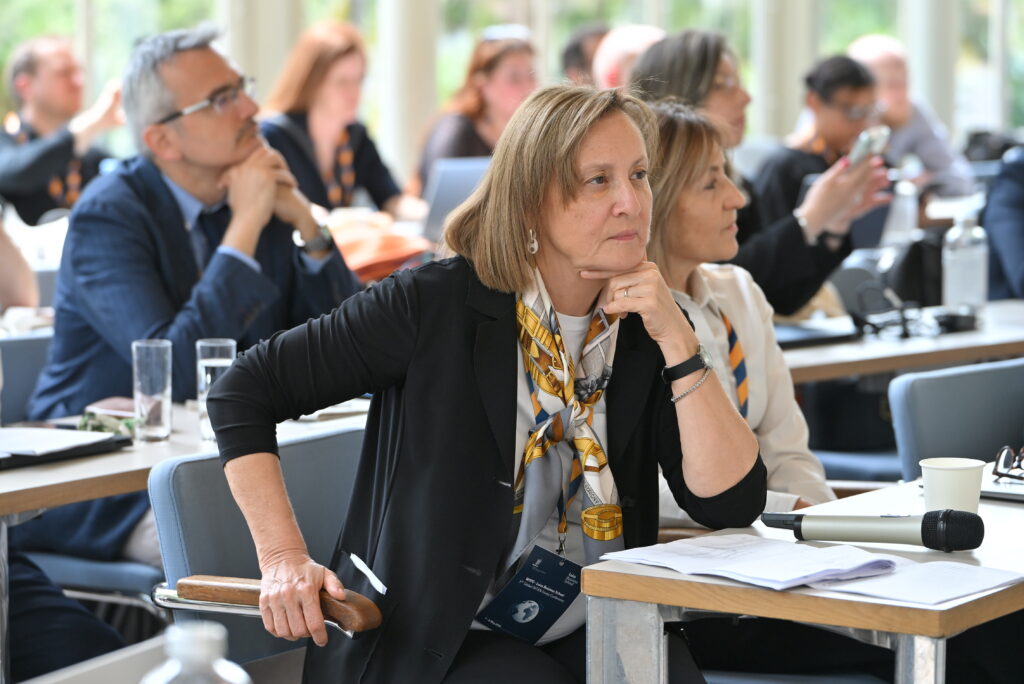
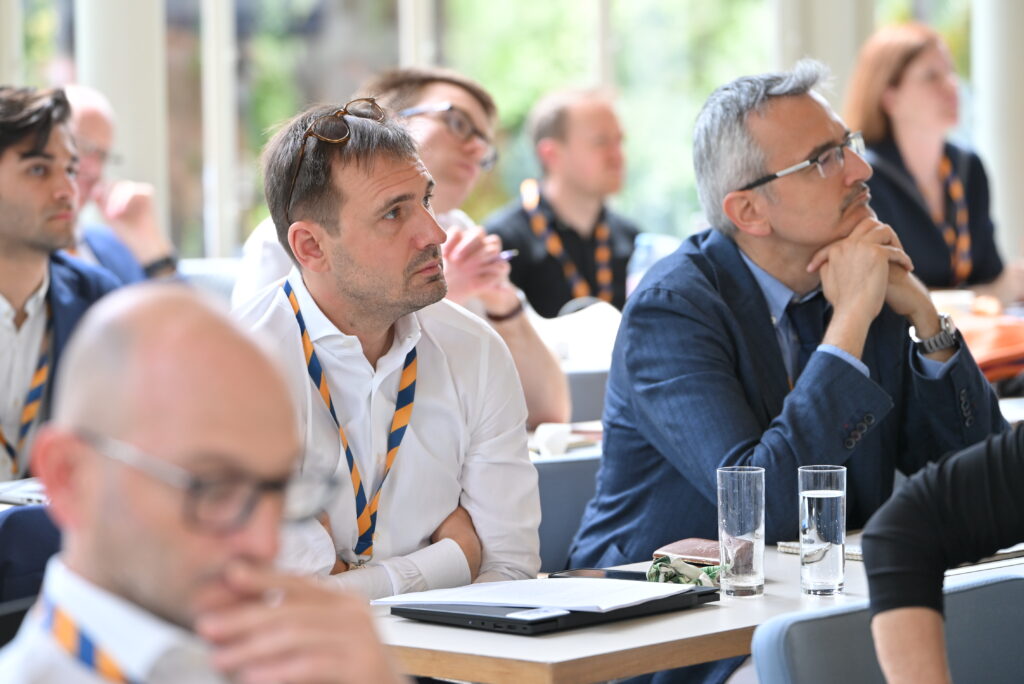
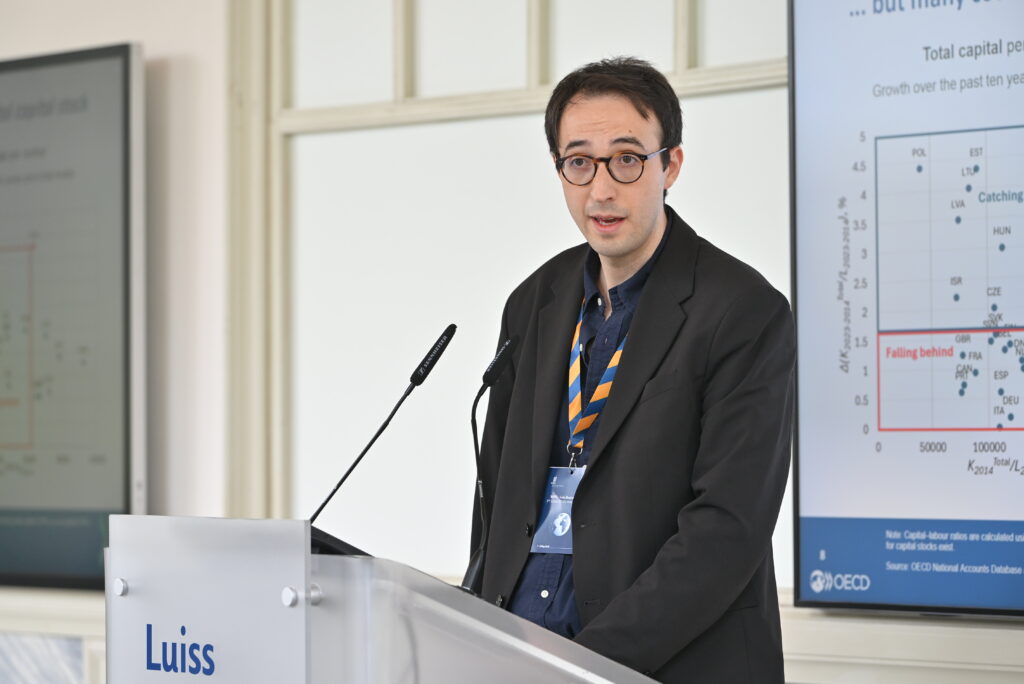
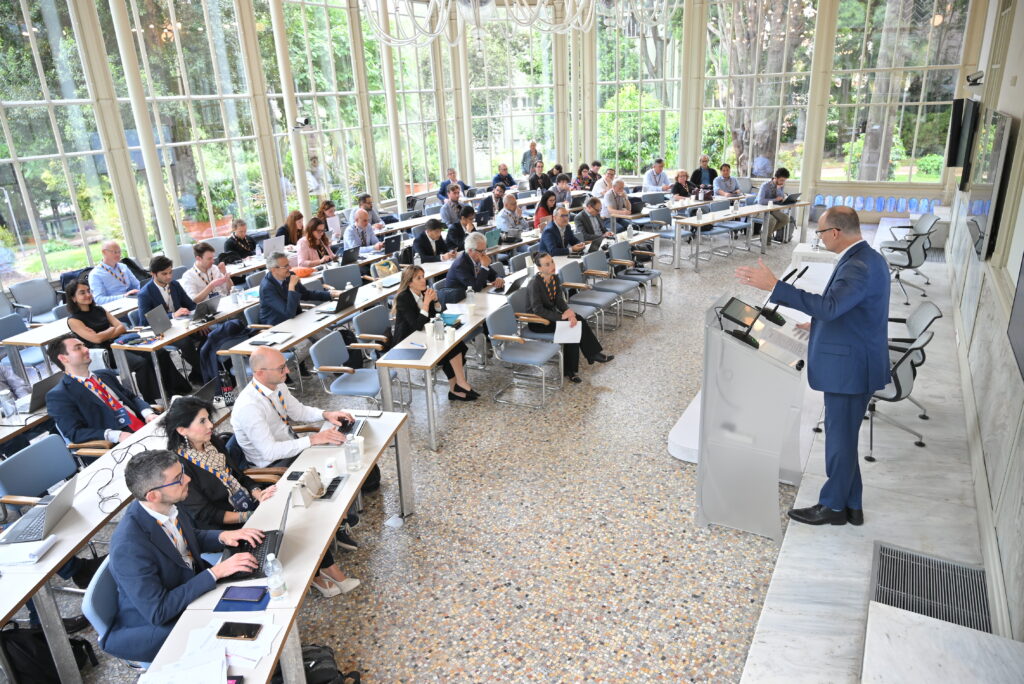
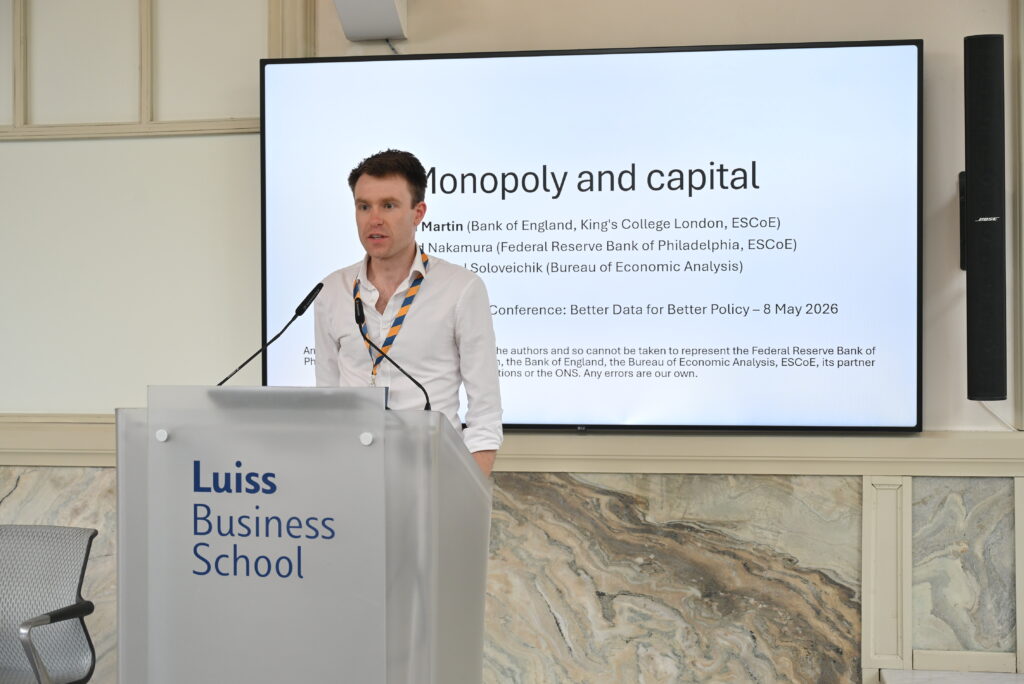
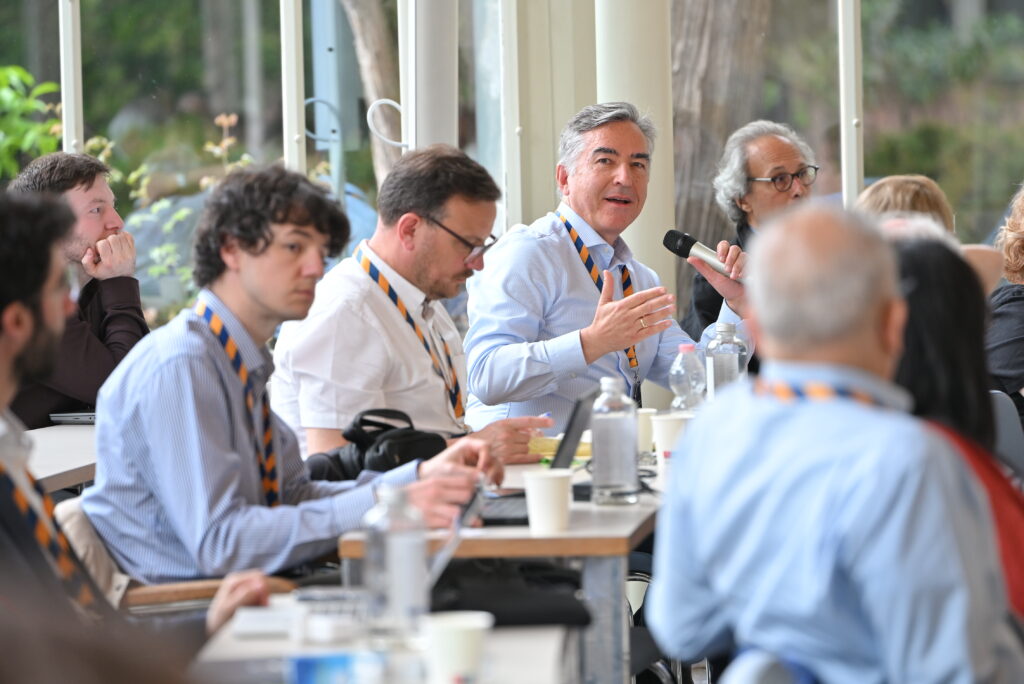
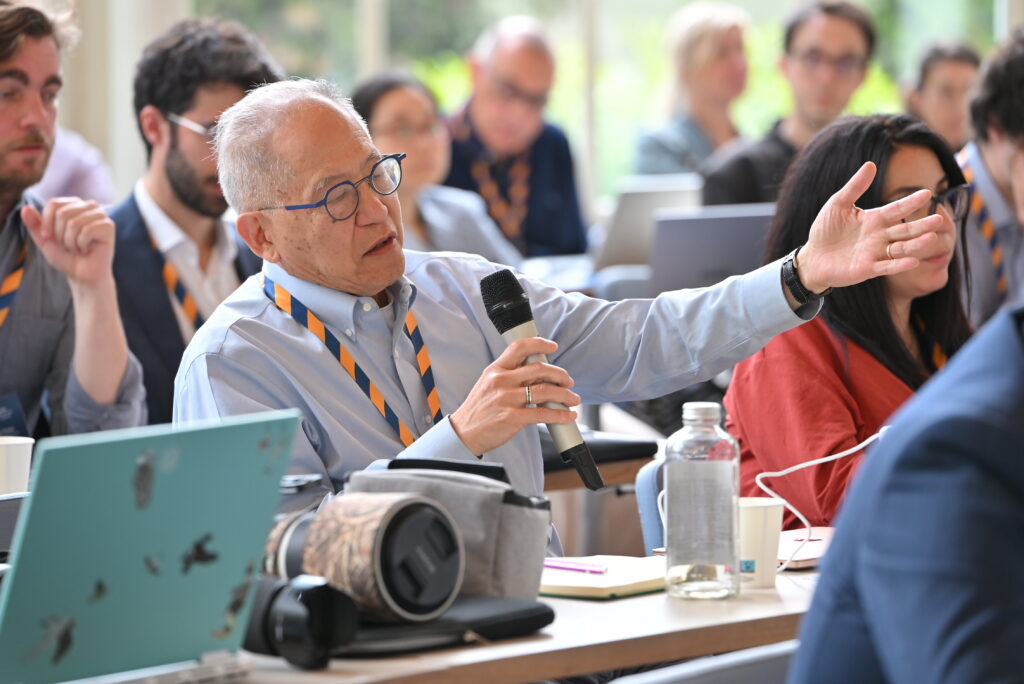
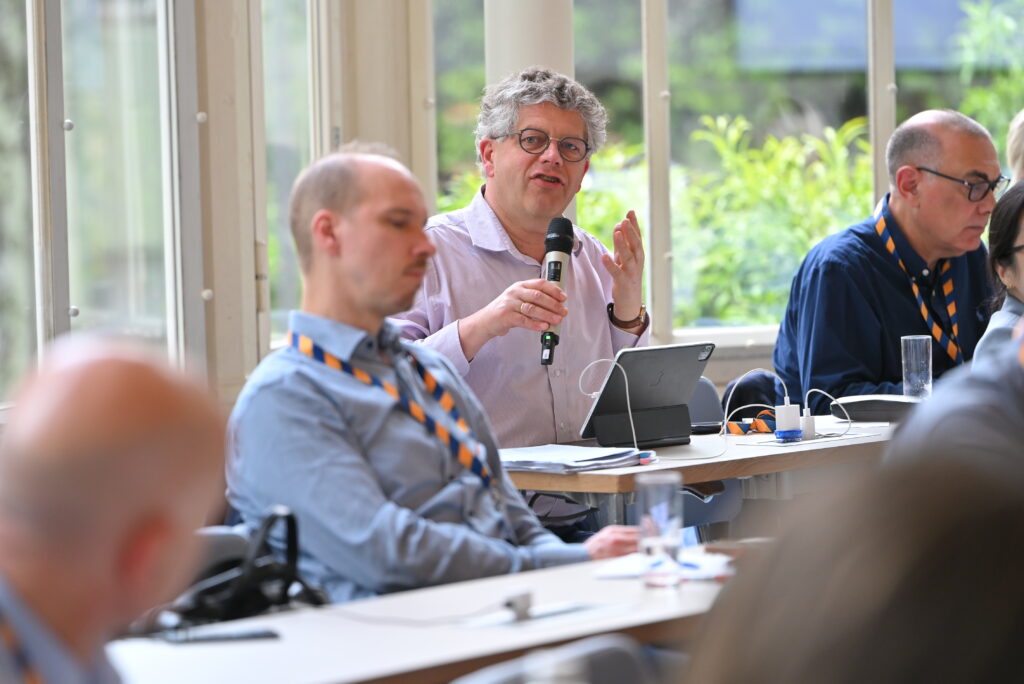
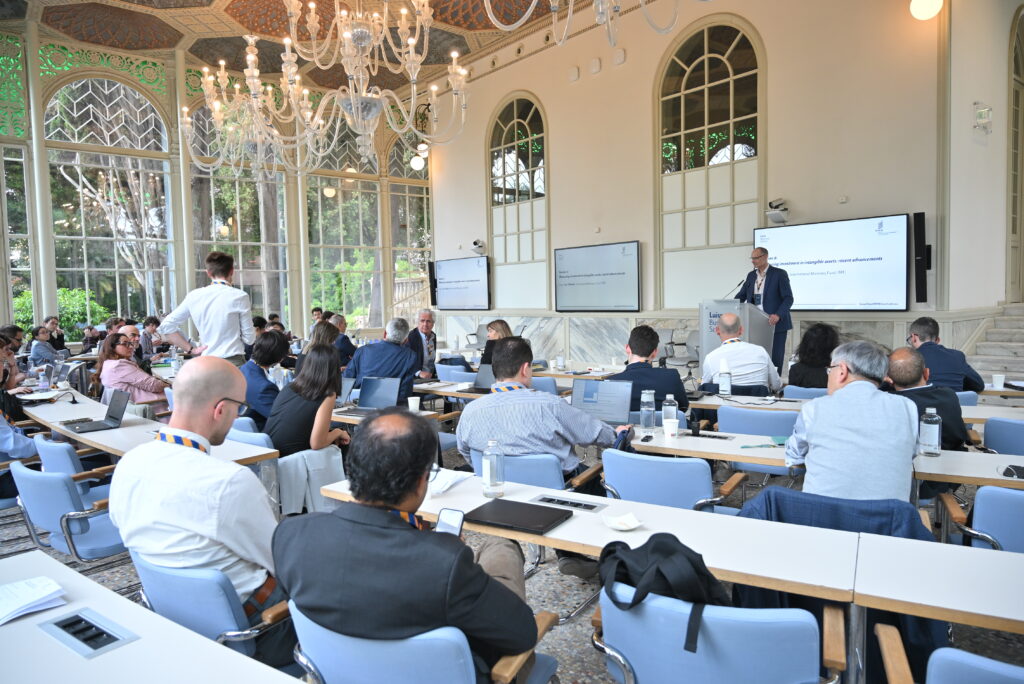
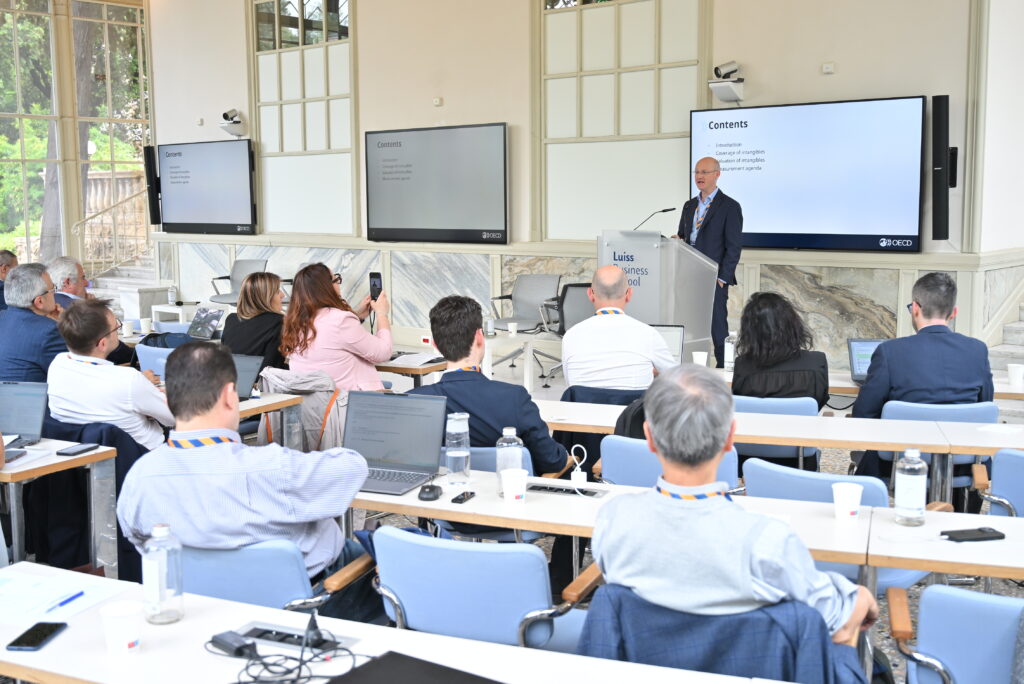
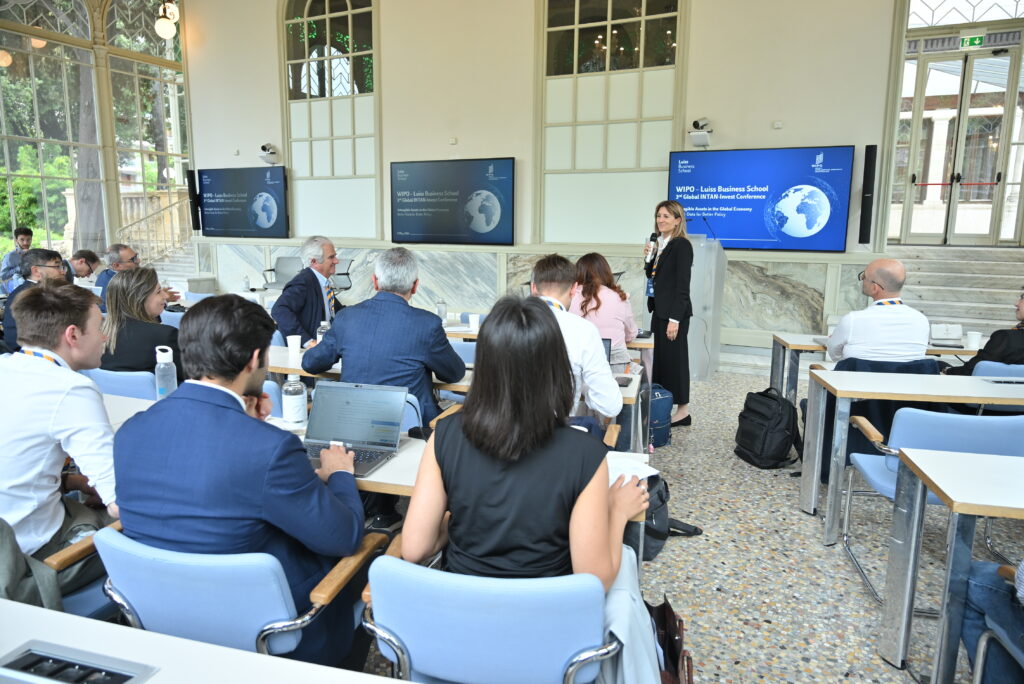
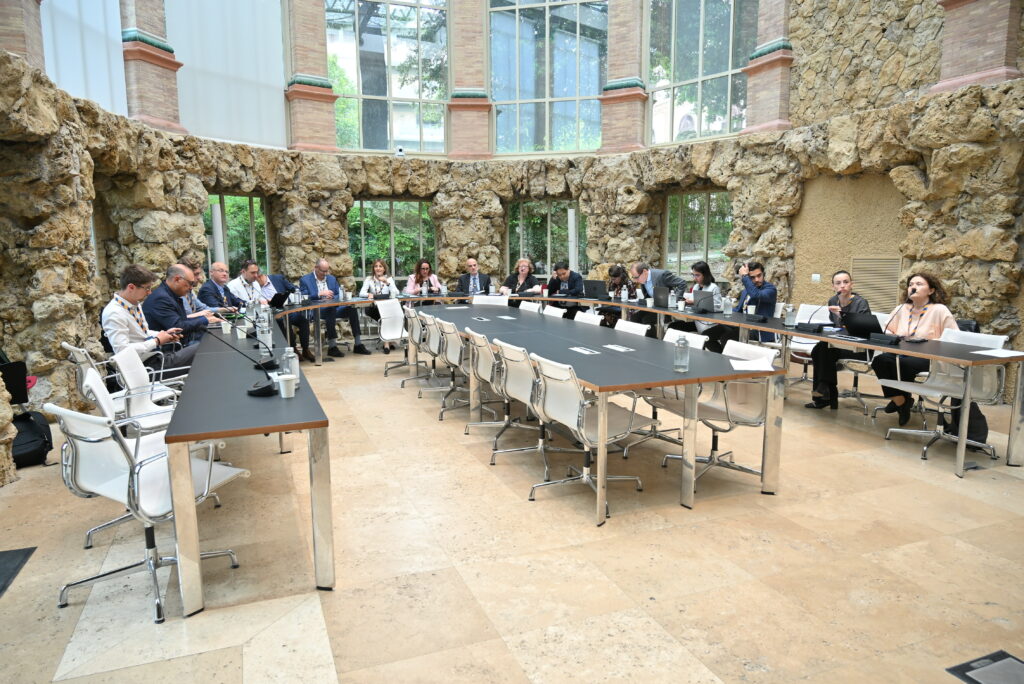
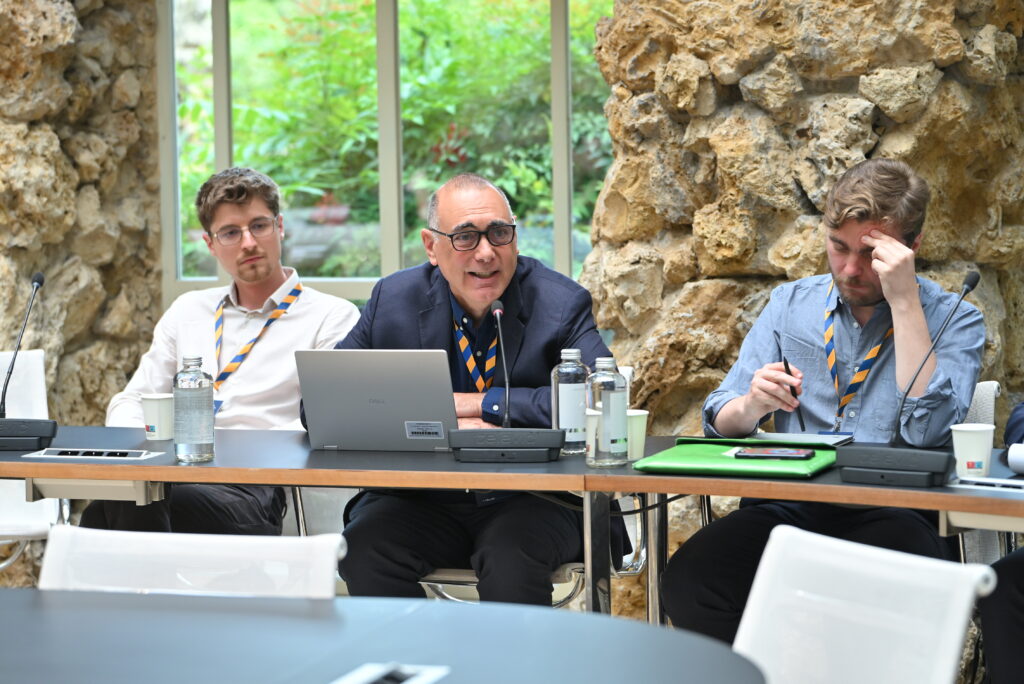
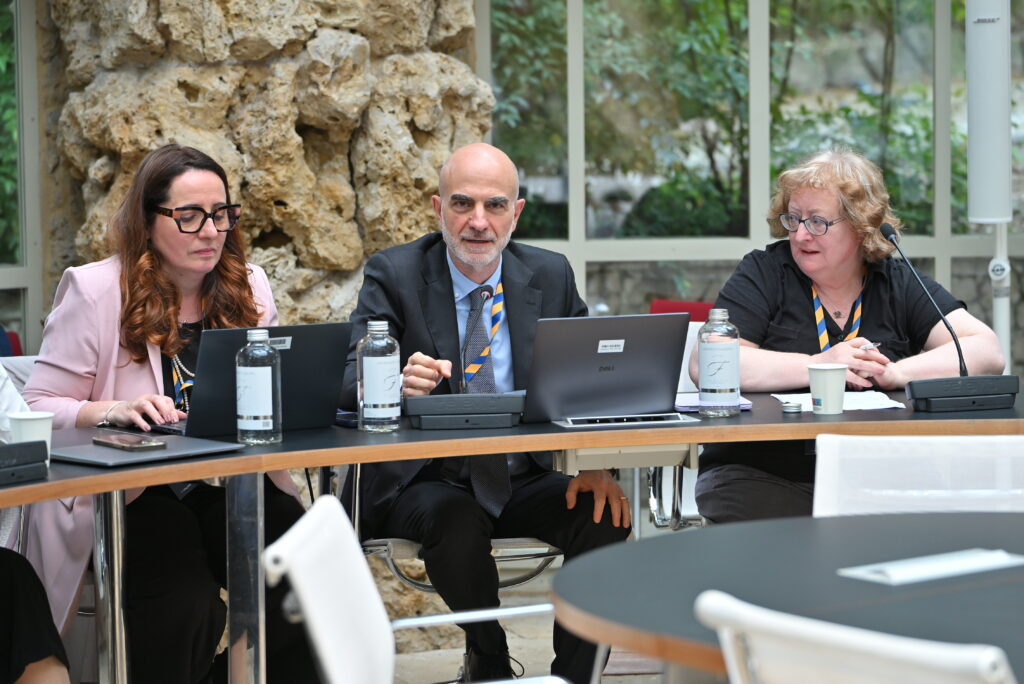
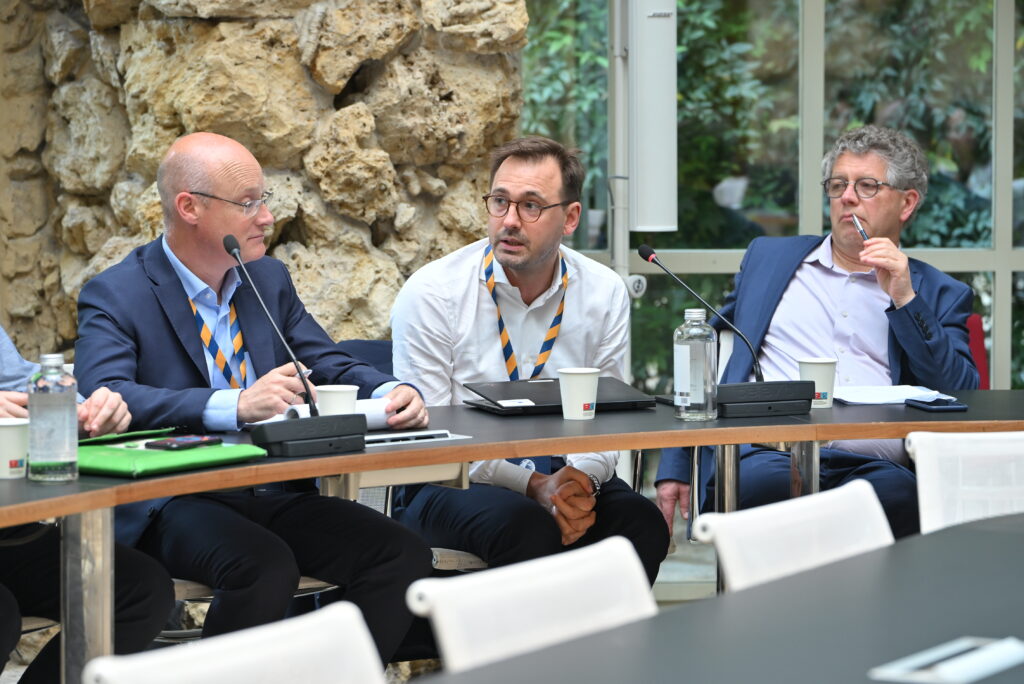
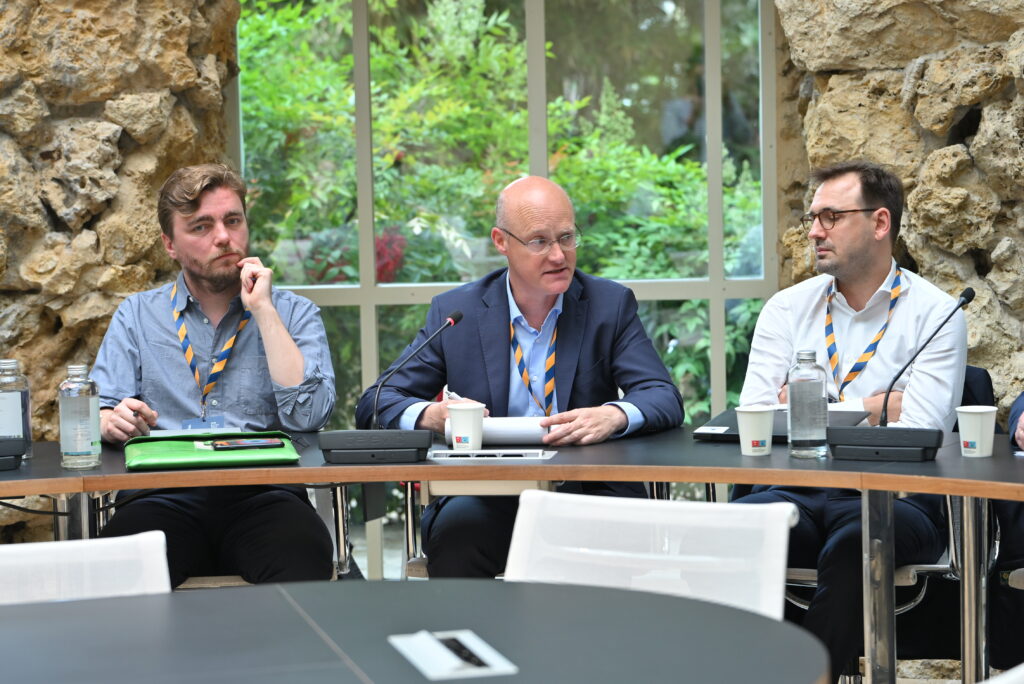
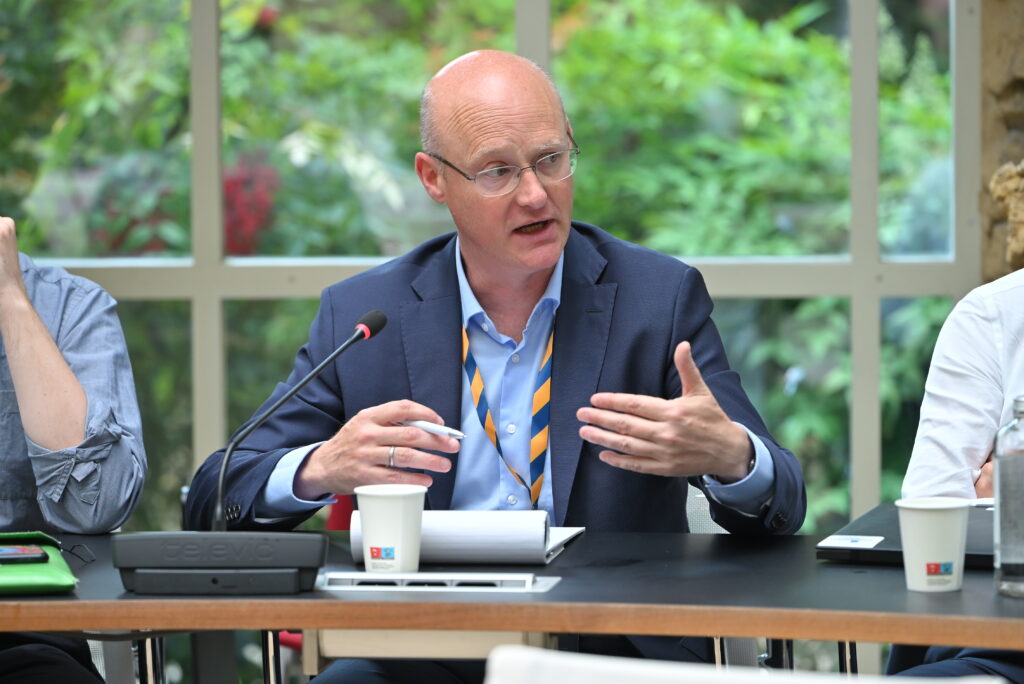
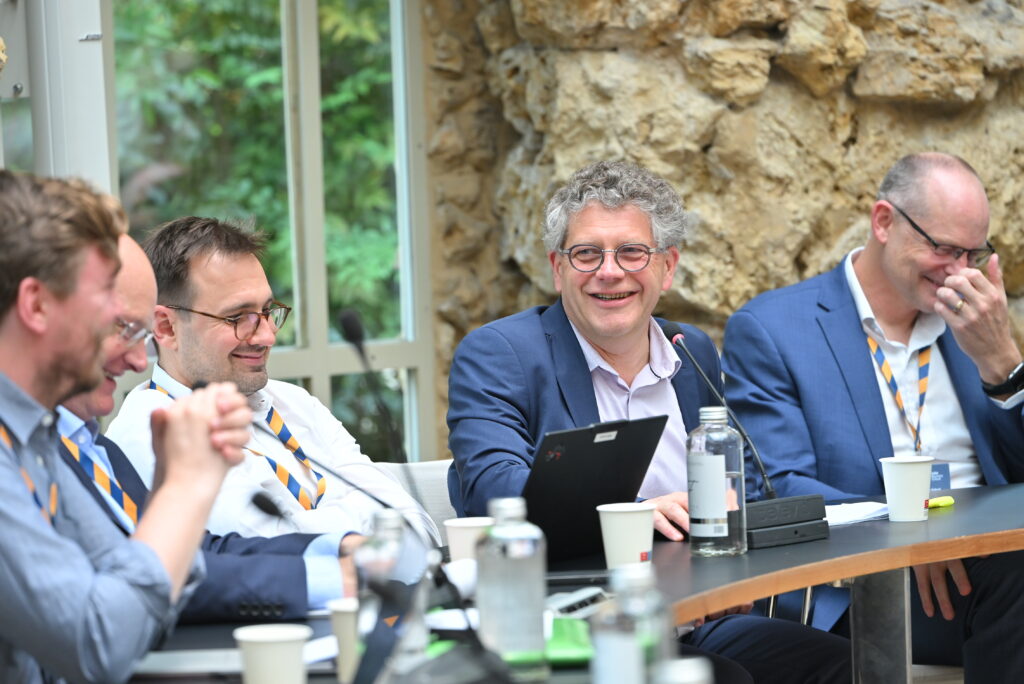
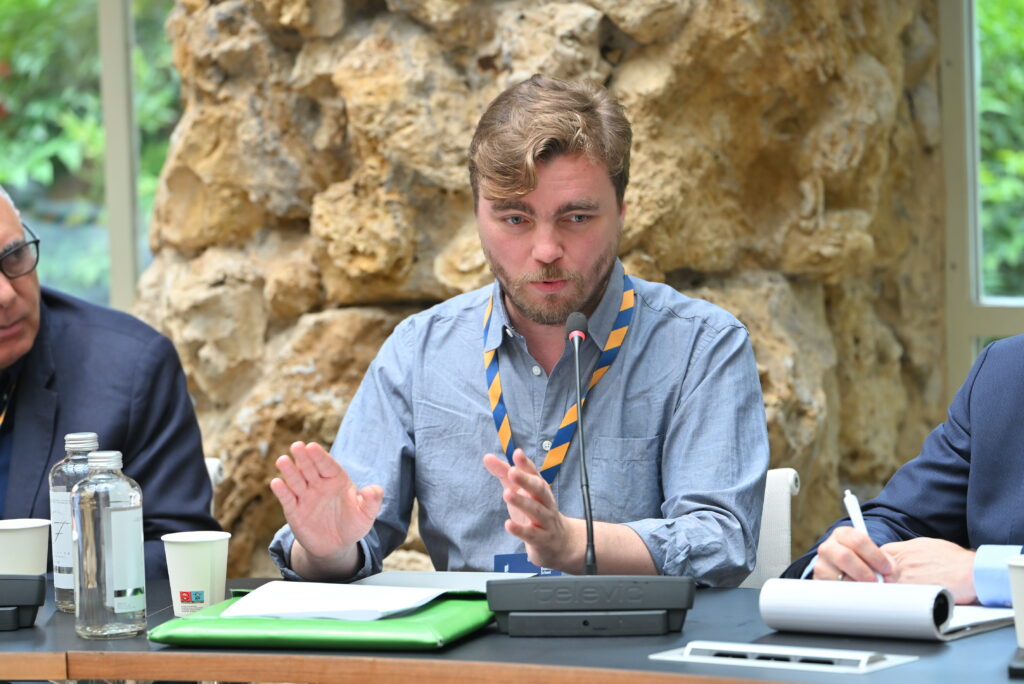
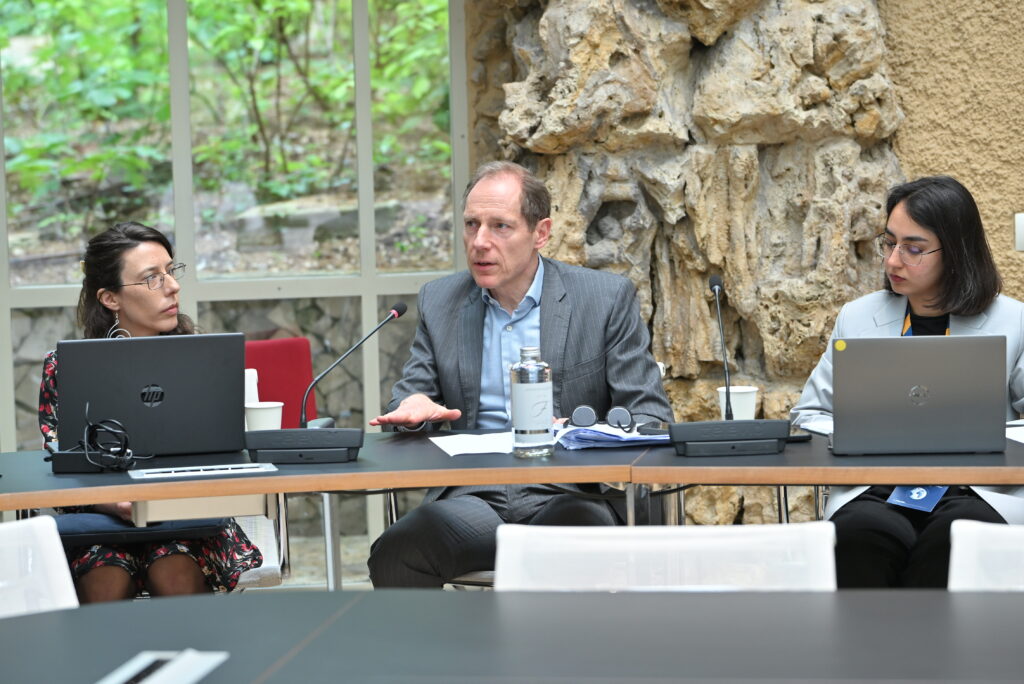
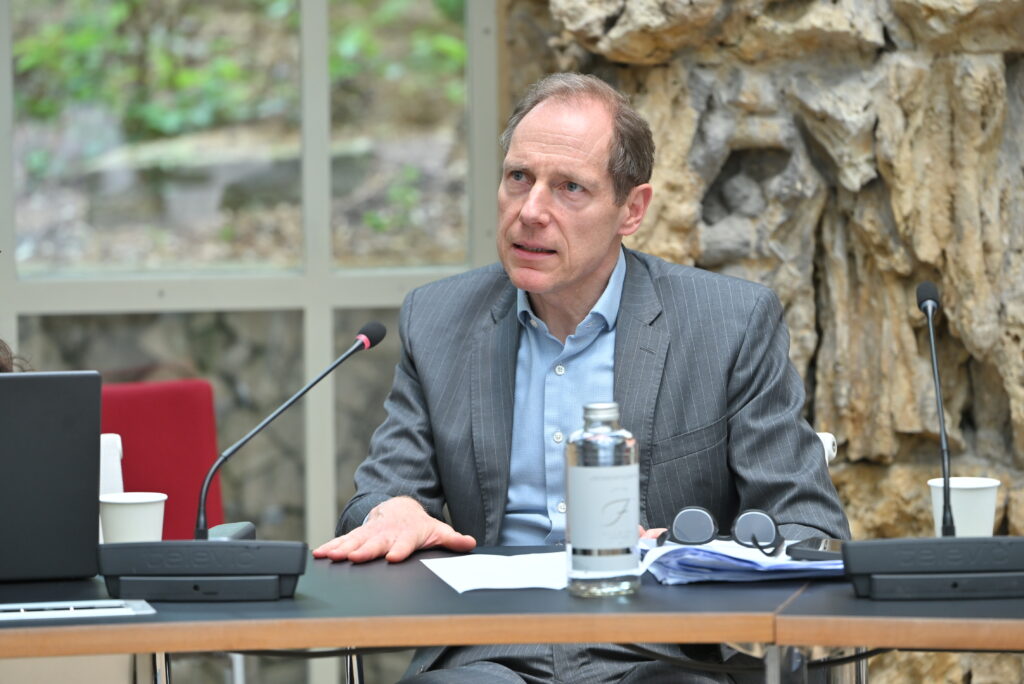
The 3rd Global INTAN-Invest Conference took place on 7-8 May 2026 at Villa Blanc in Rome, jointly organised by Luiss Business School and the World Intellectual Property Organization (WIPO). Under the theme “Intangible Assets in the Global Economy: Better Data for Better Policy”, the two-day event brought together economists, statisticians, and policymakers to share new evidence on intangible investment and its implications for growth, productivity, and innovation.
Keynote Addresses
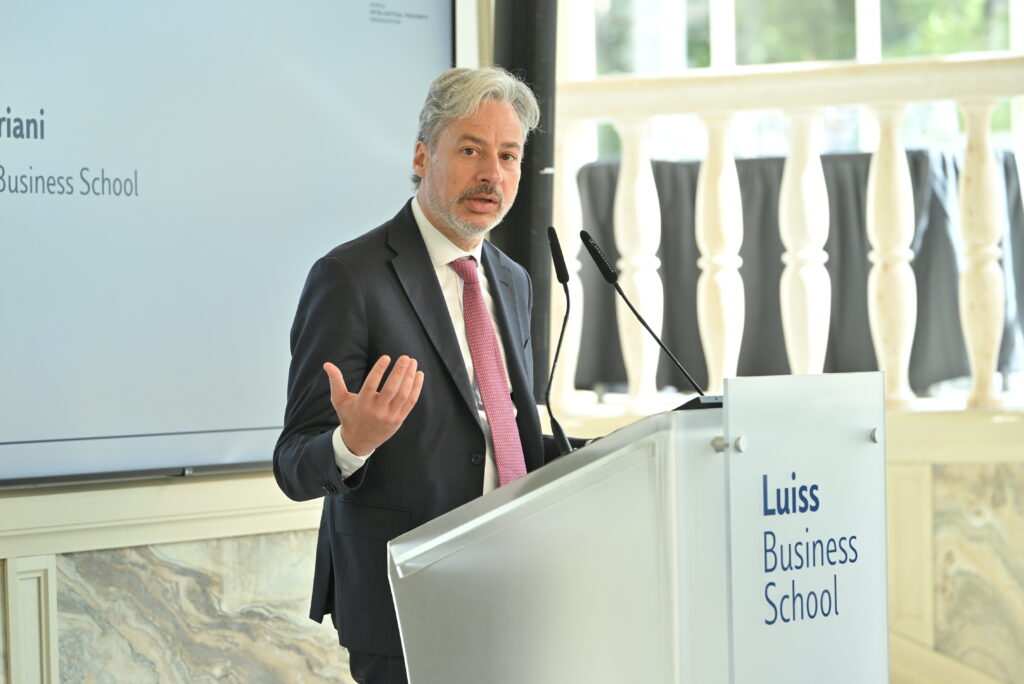
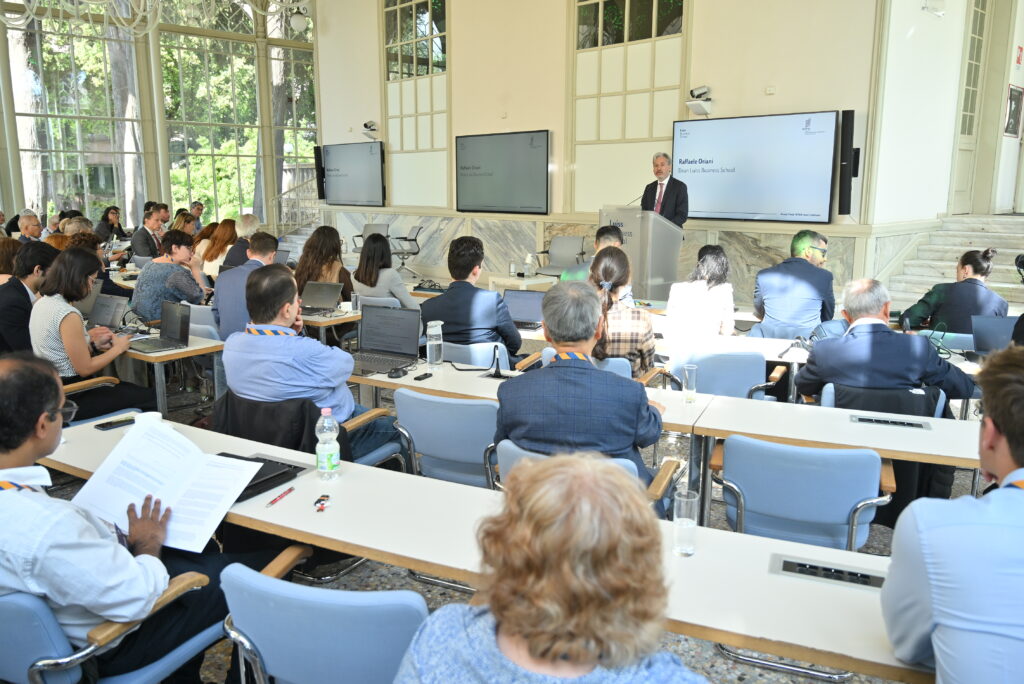
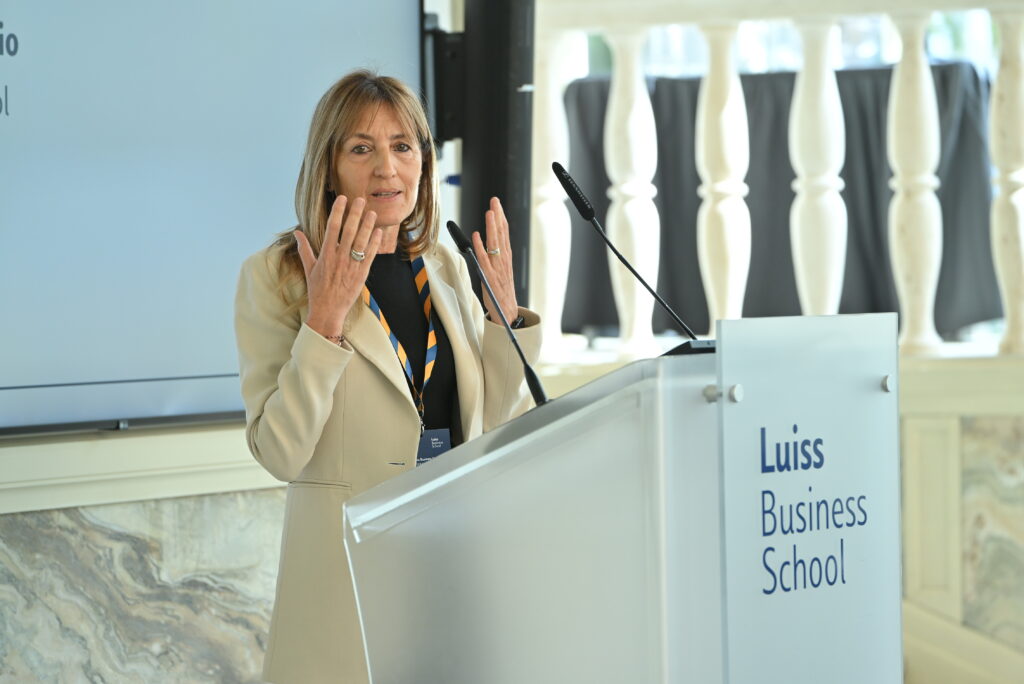
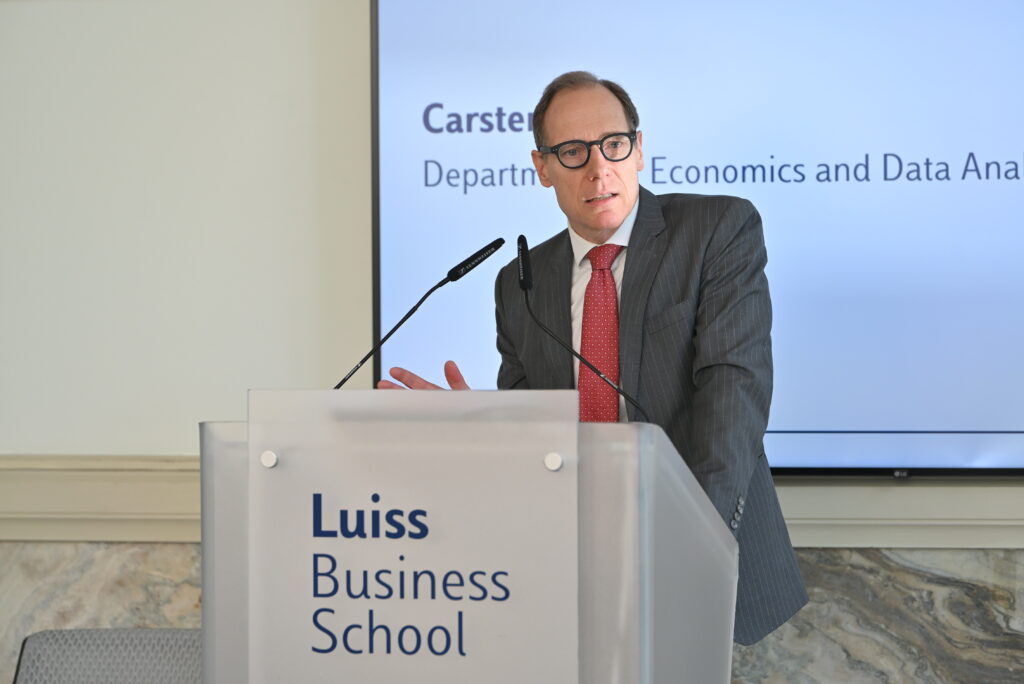
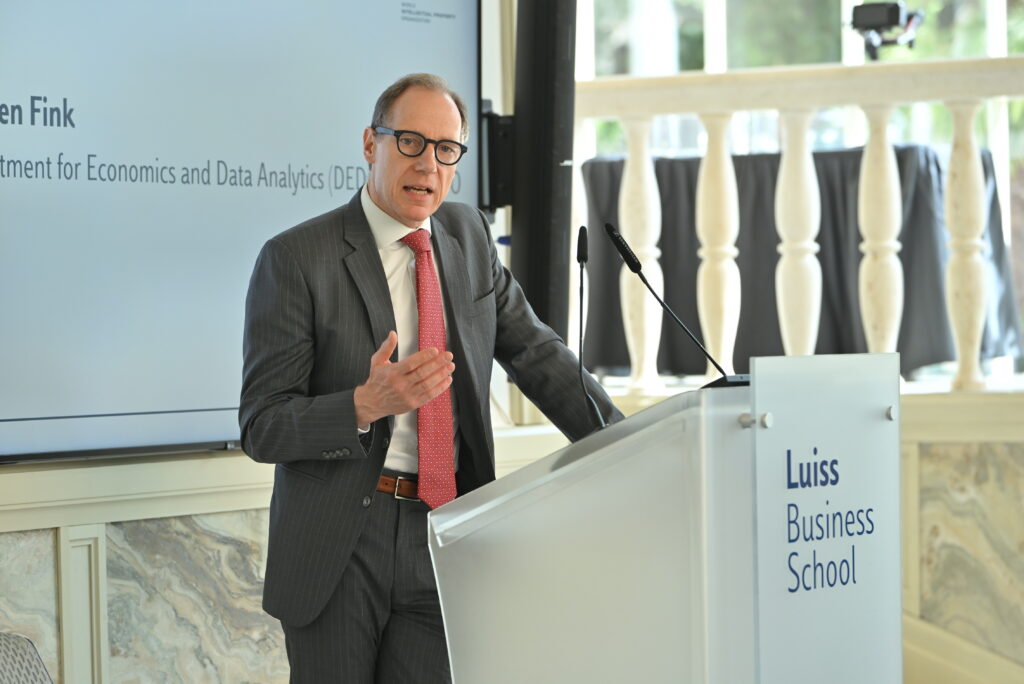
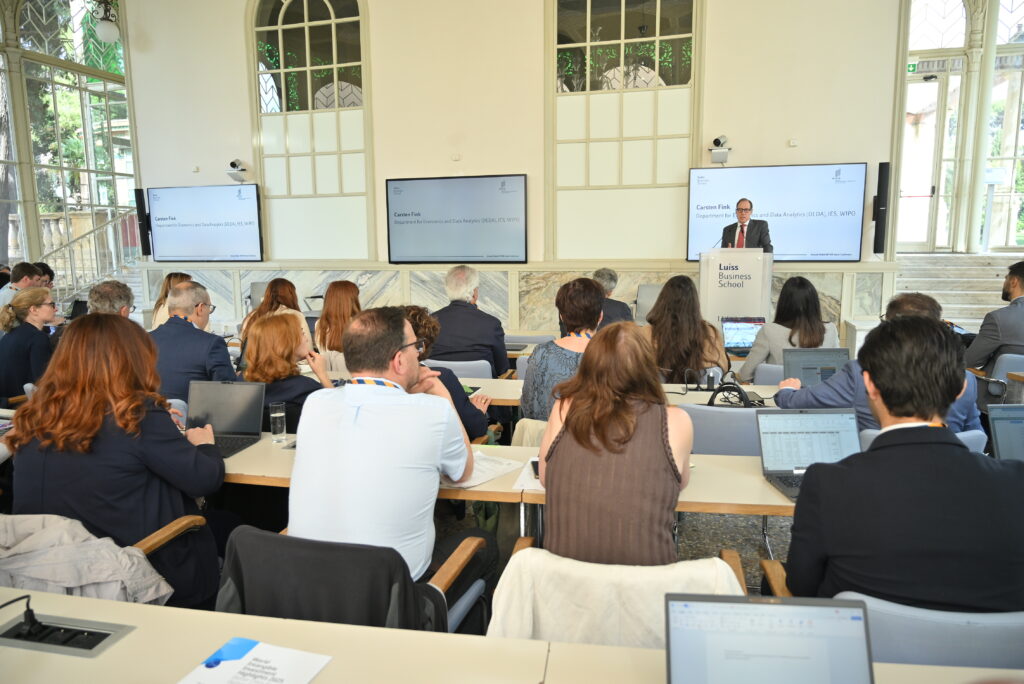
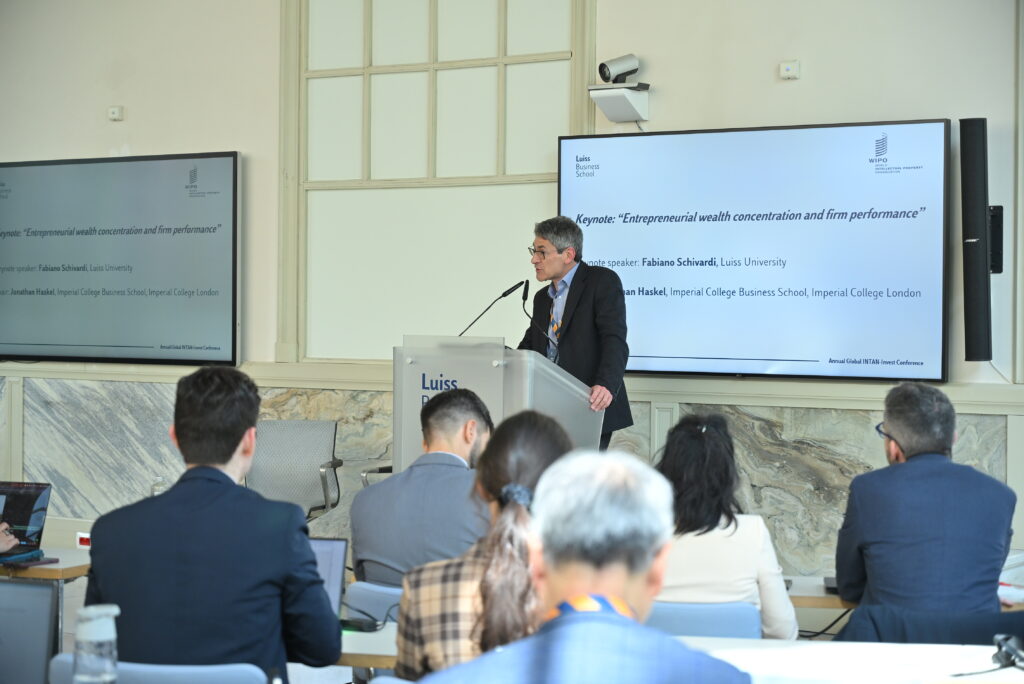
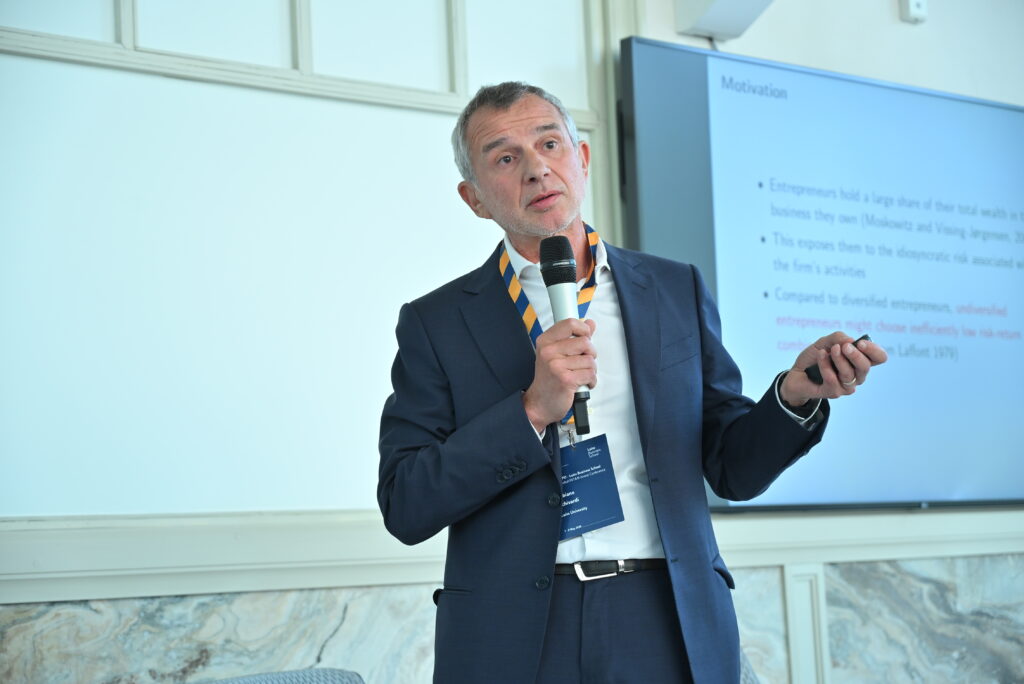
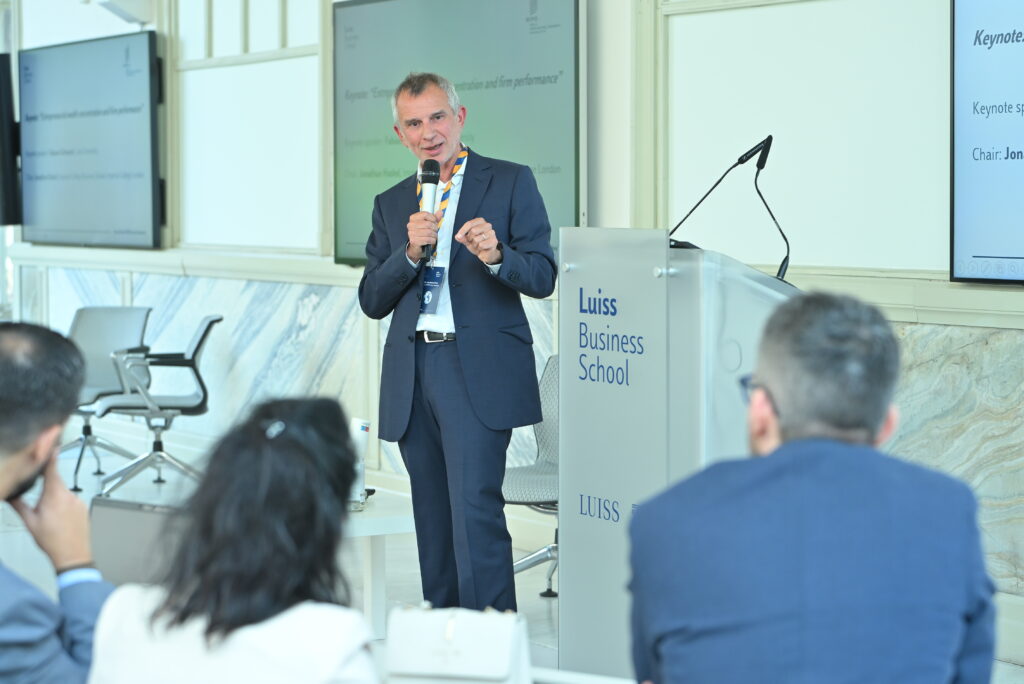
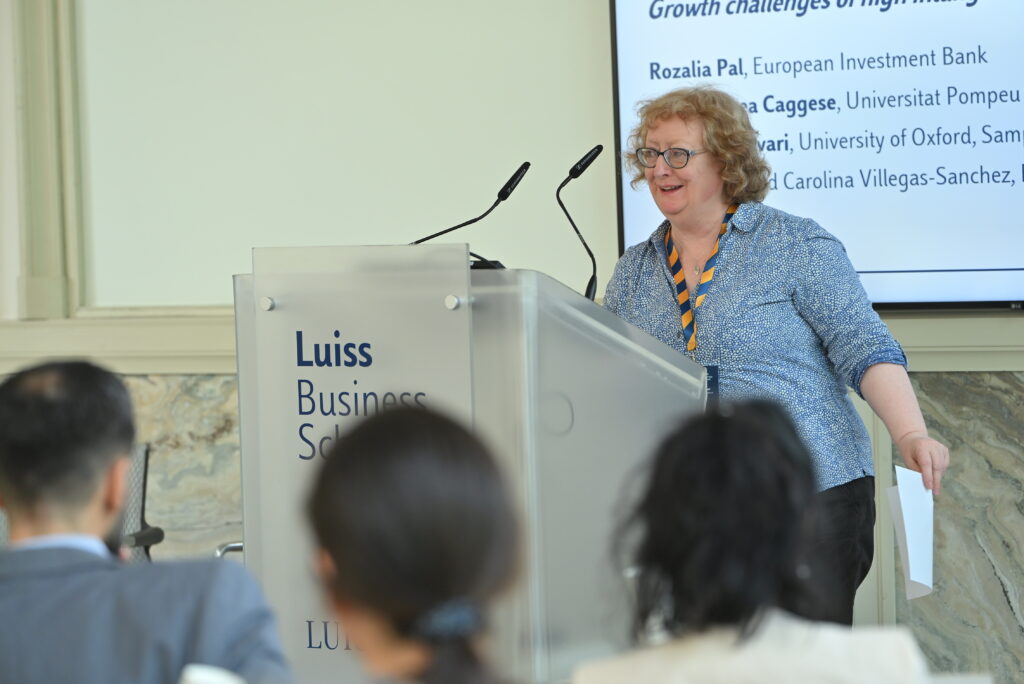
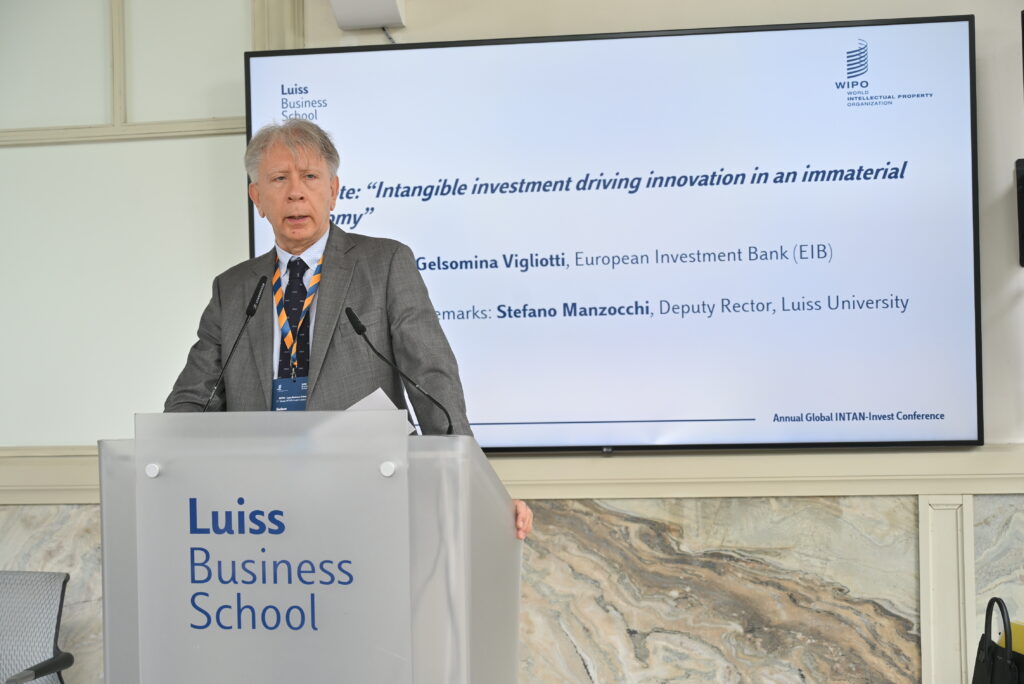
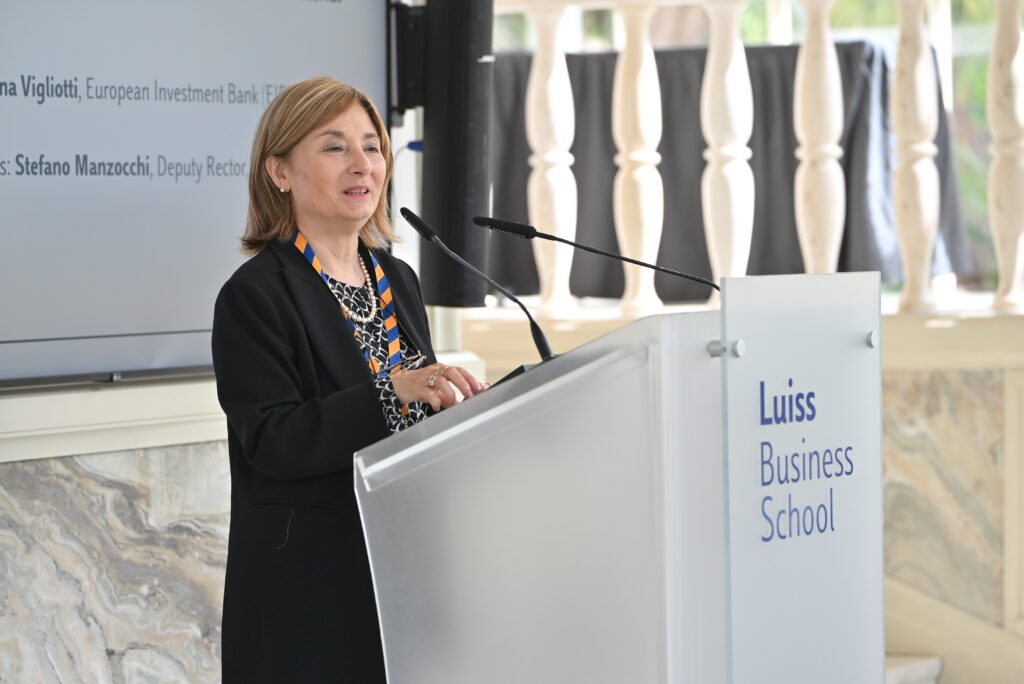
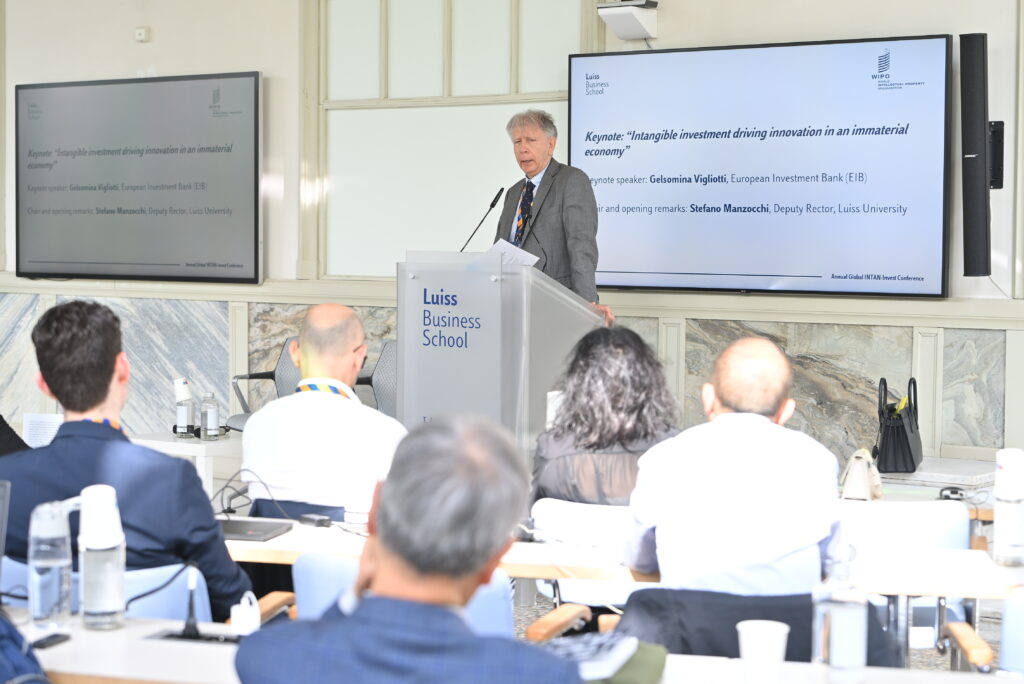
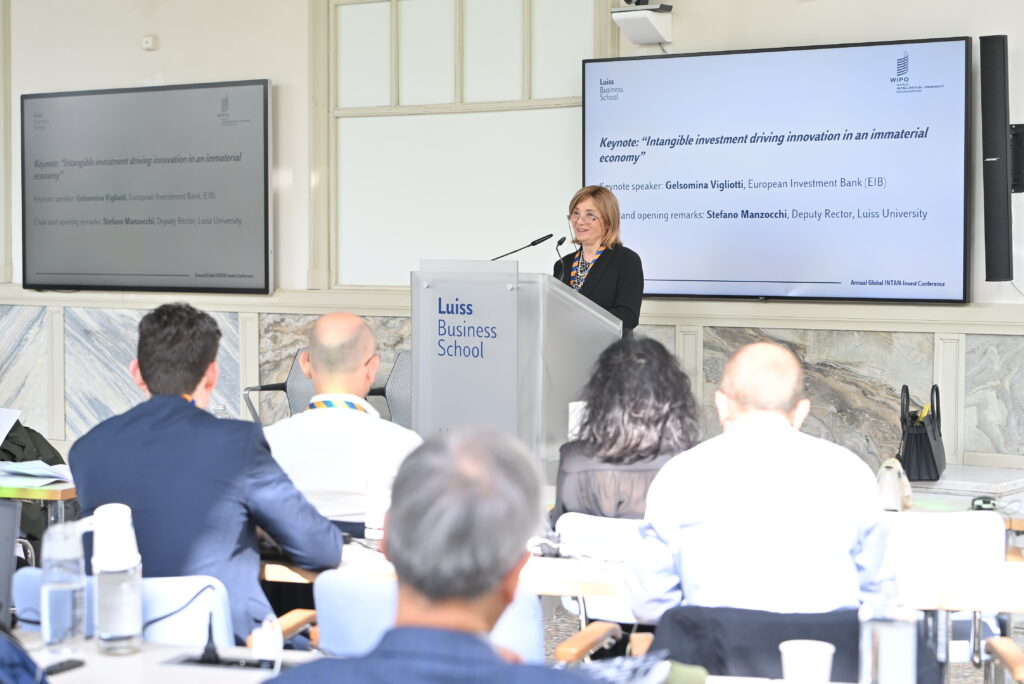
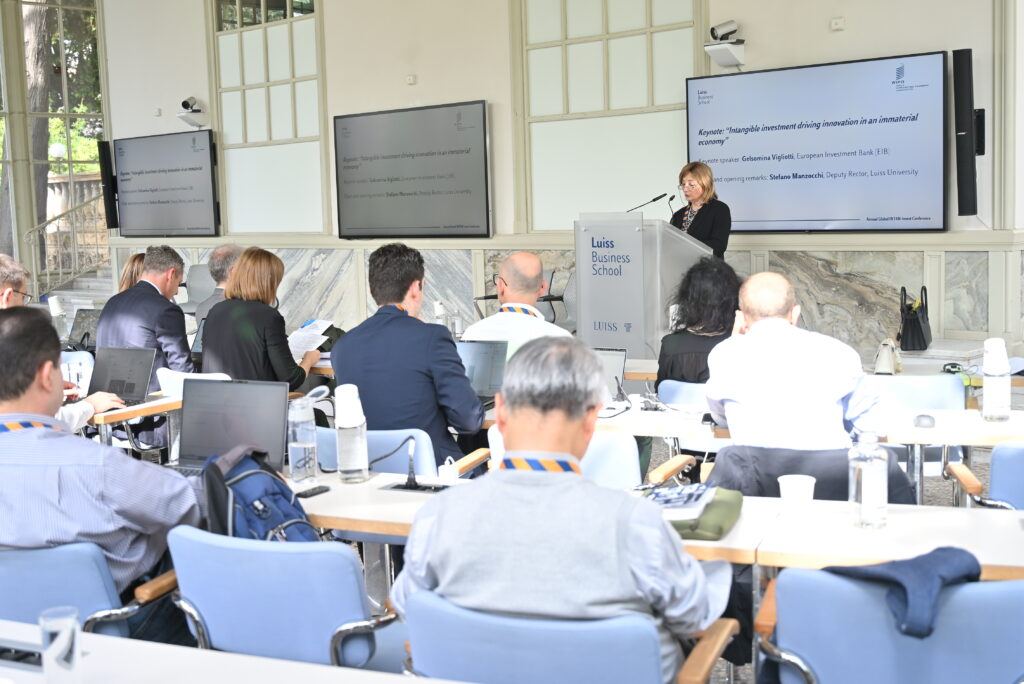
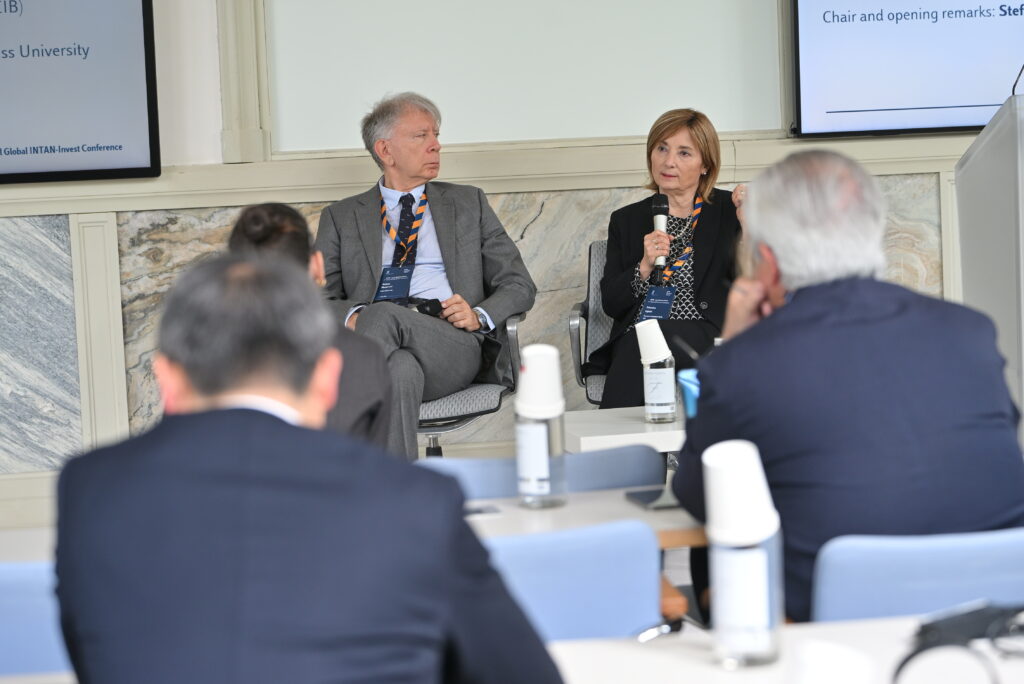
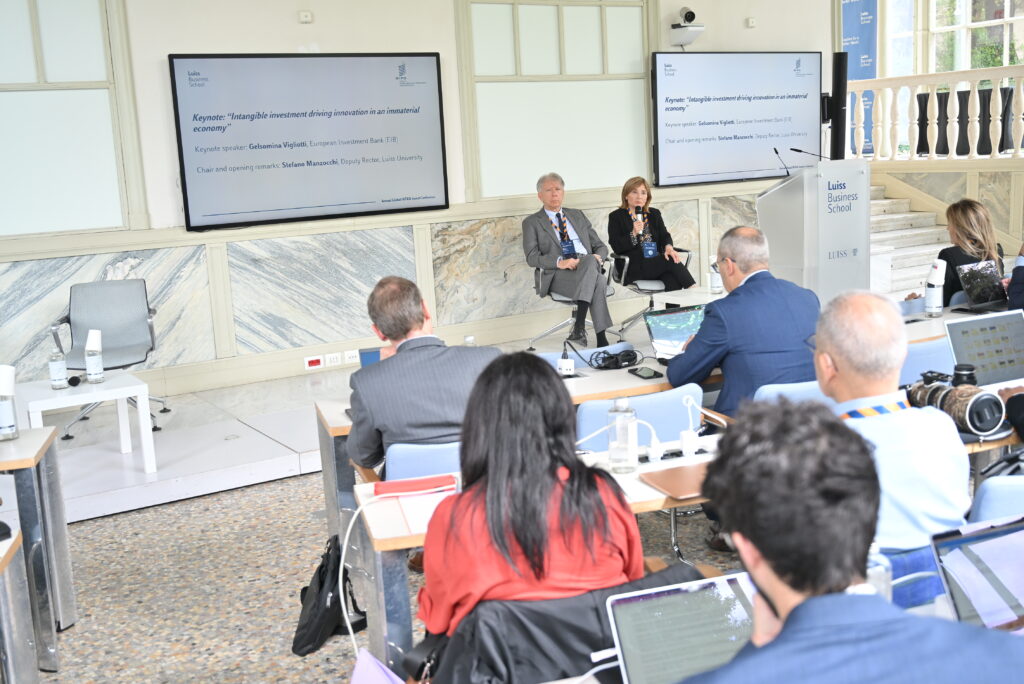
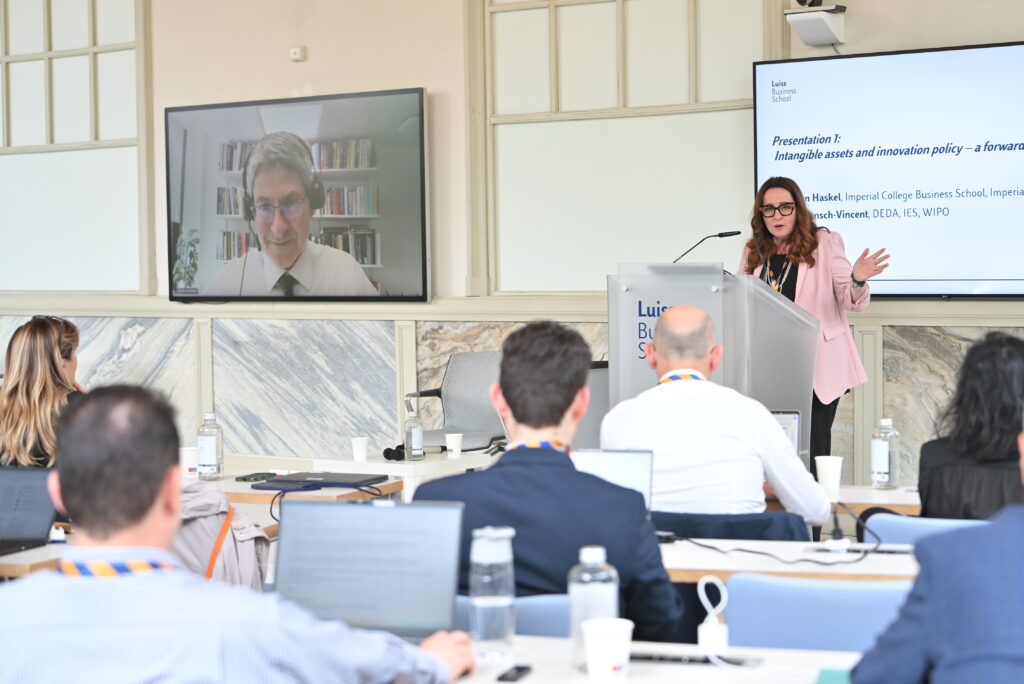
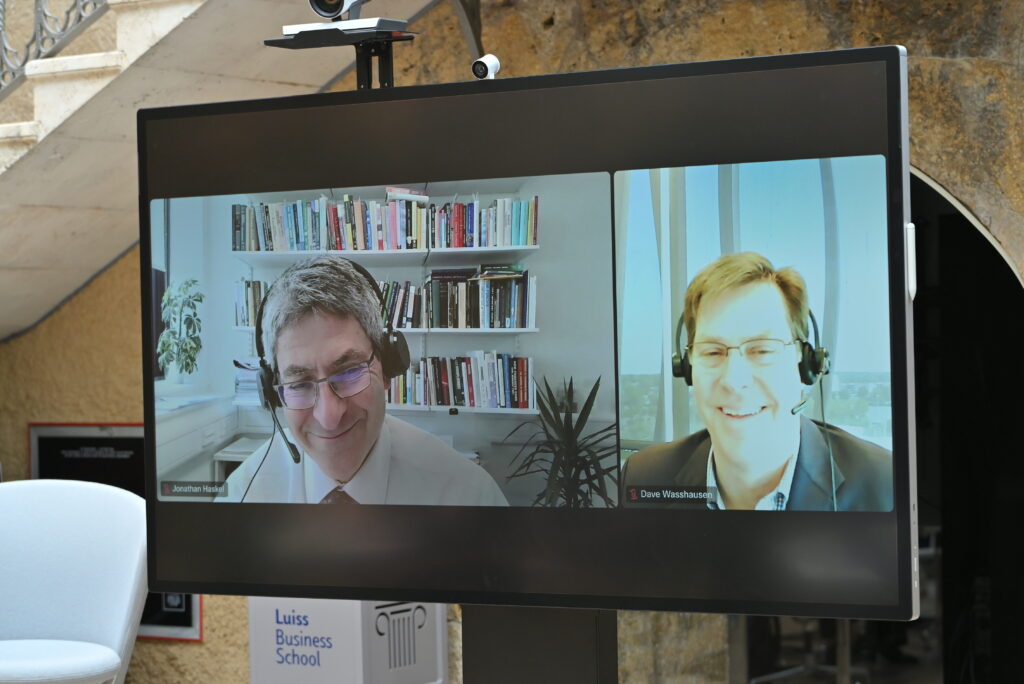
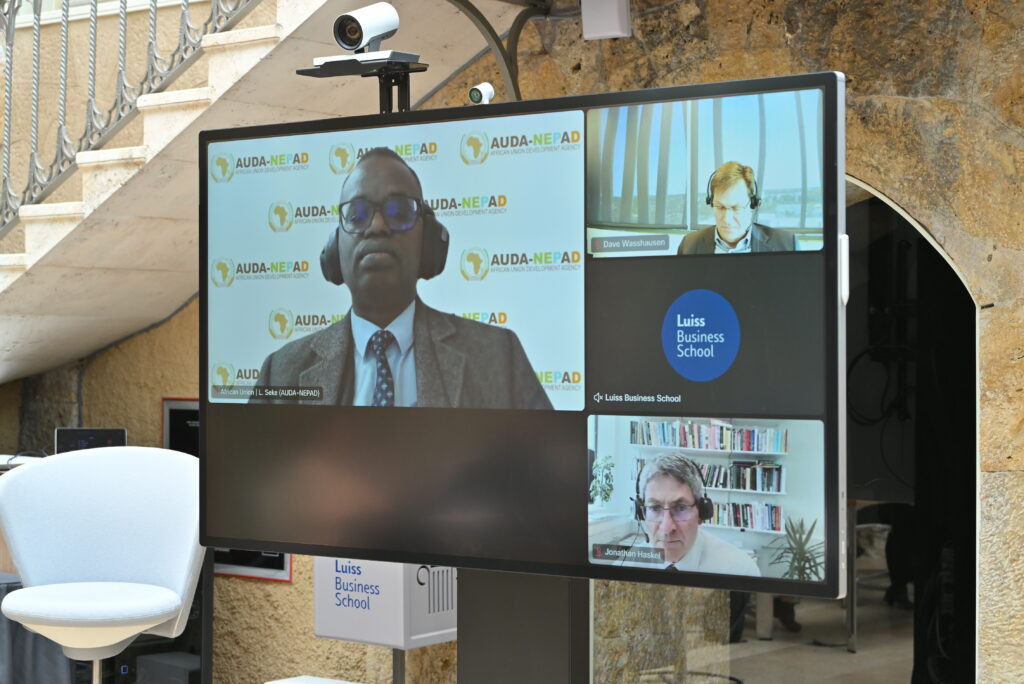
The conference opened with welcome remarks by Raffaele Oriani, Dean of Luiss Business School, and Marco Aleman, Assistant Director General at WIPO, followed by an introduction from Cecilia Jona-Lasinio and Carsten Fink. Fabiano Schivardi (Luiss University) delivered the first day’s keynote on entrepreneurial wealth concentration and firm performance, chaired by Jonathan Haskel of Imperial College London, prompting wide discussion on how intangible wealth is distributed across firms and its broader economic implications. On the second day, Gelsomina Vigliotti, Vice President of the European Investment Bank, addressed the role of intangible investment as a driver of innovation in the modern economy, chaired by Stefano Manzocchi, Deputy Rector of Luiss University.
Global Trends, AI, and Productivity
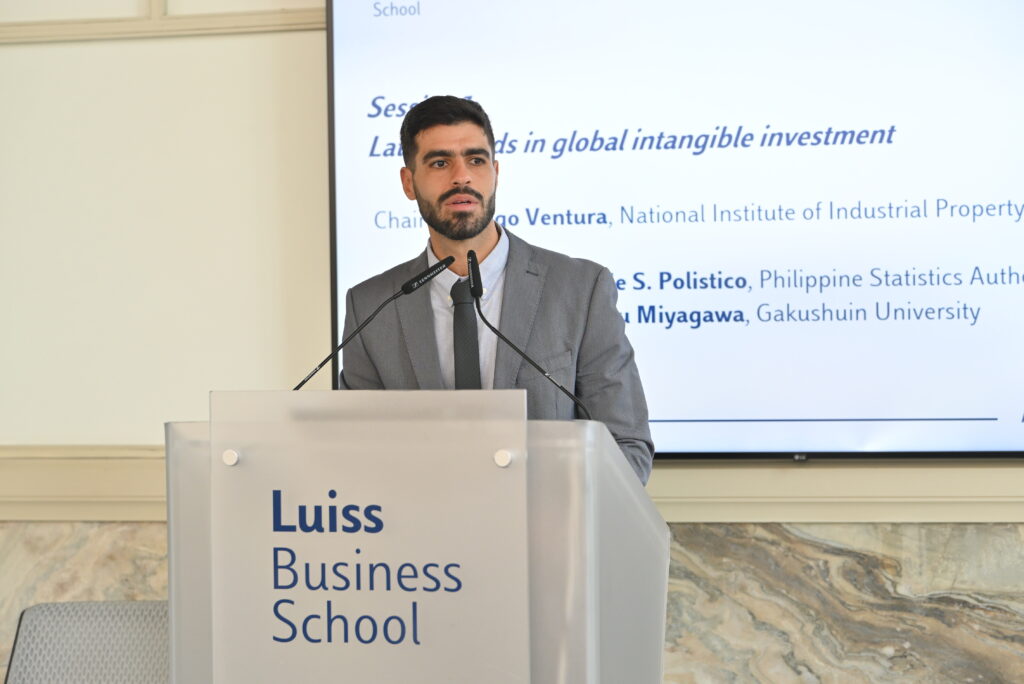
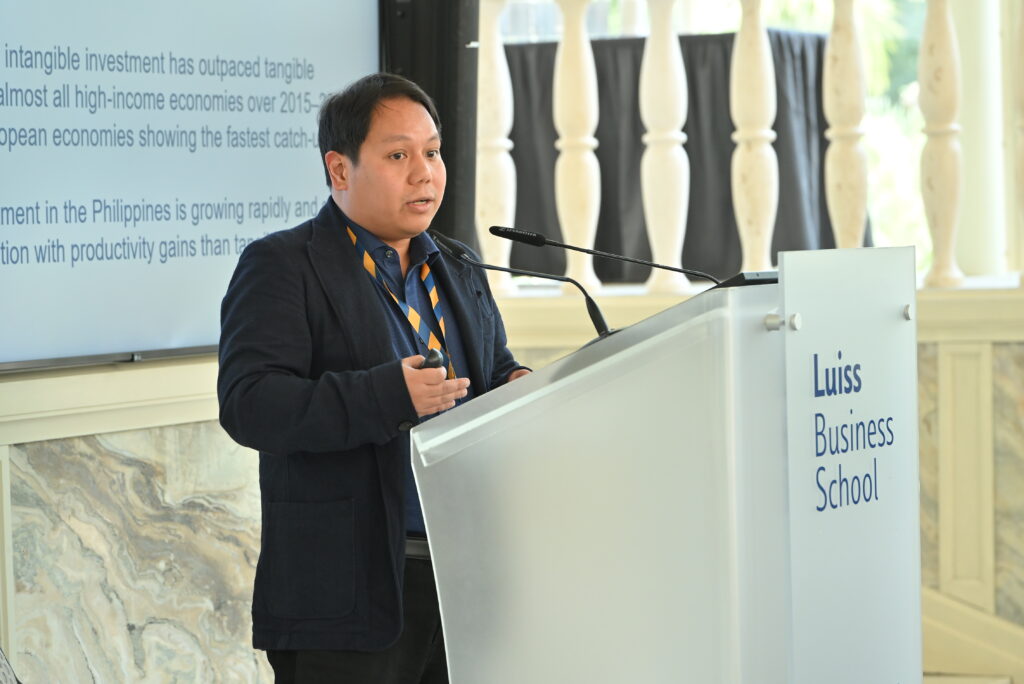
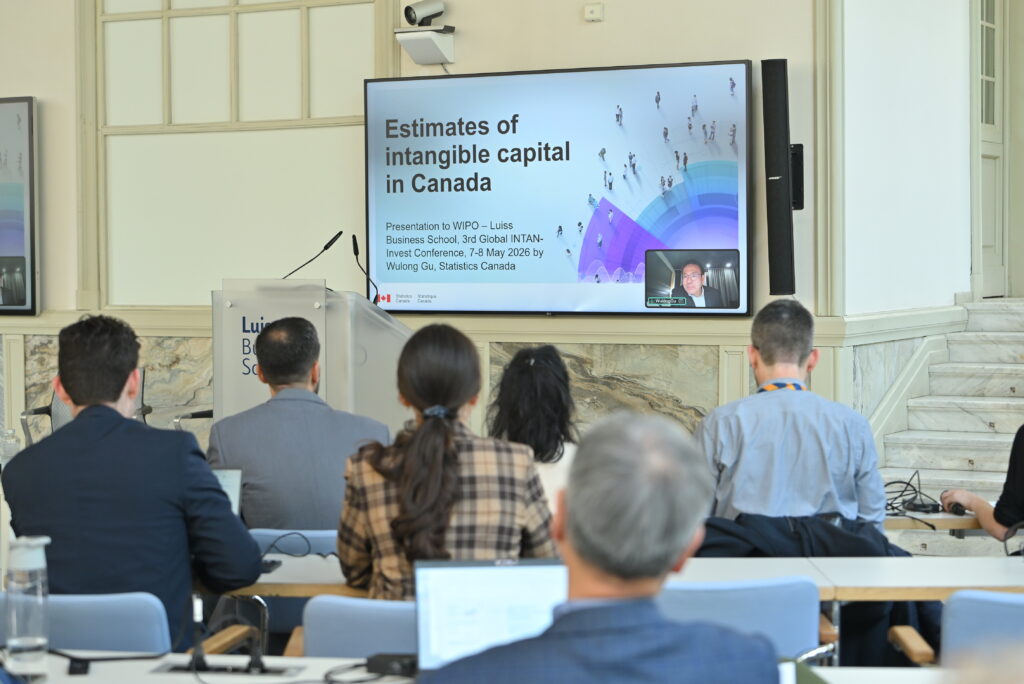
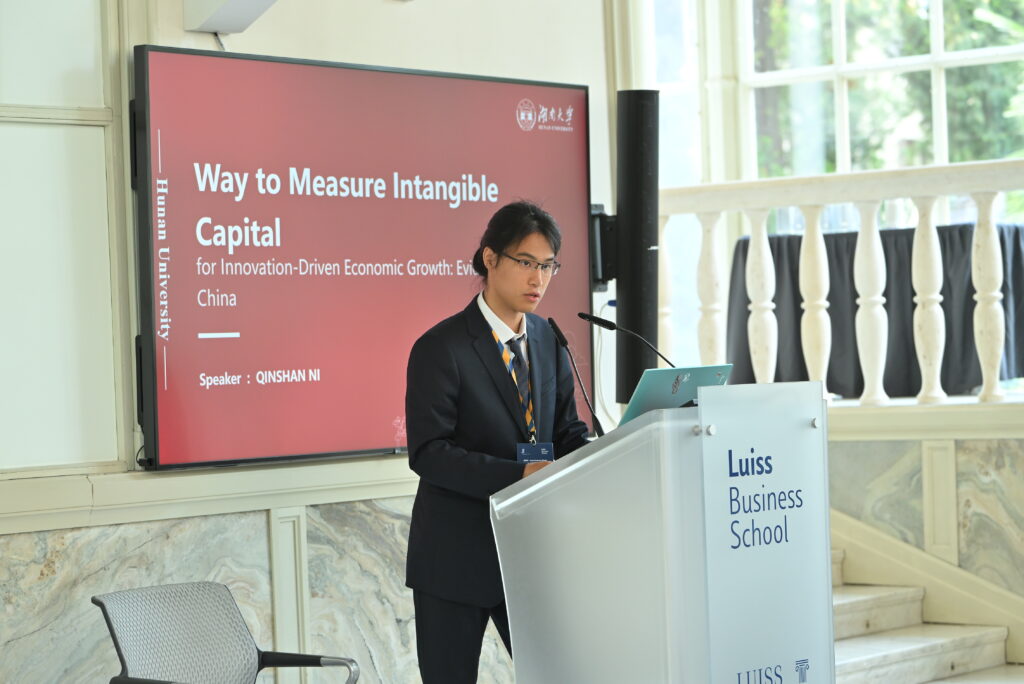
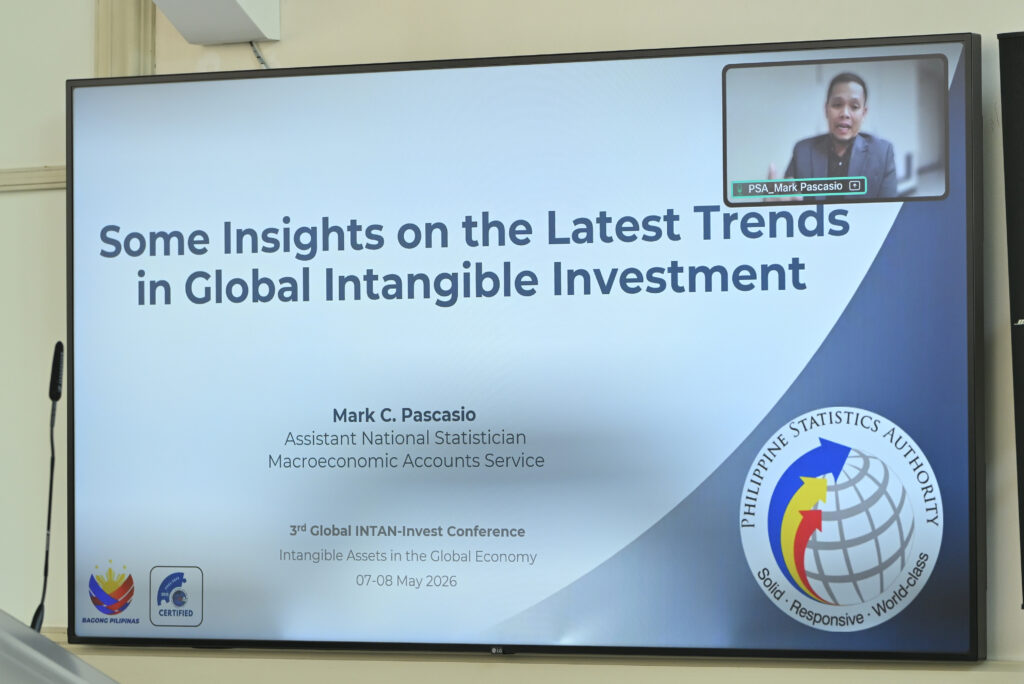
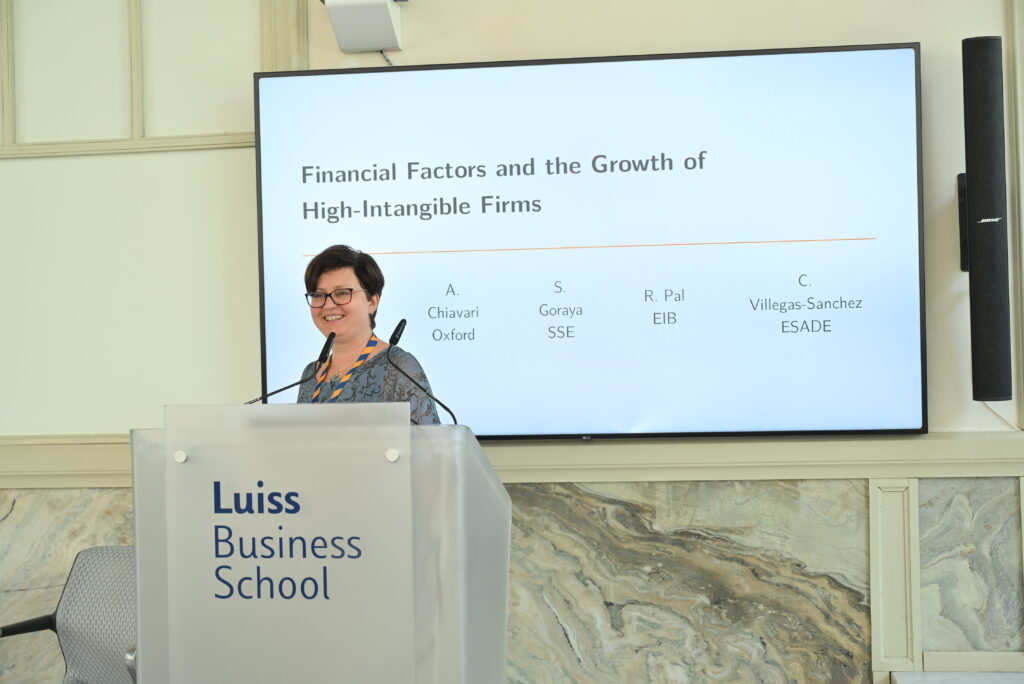
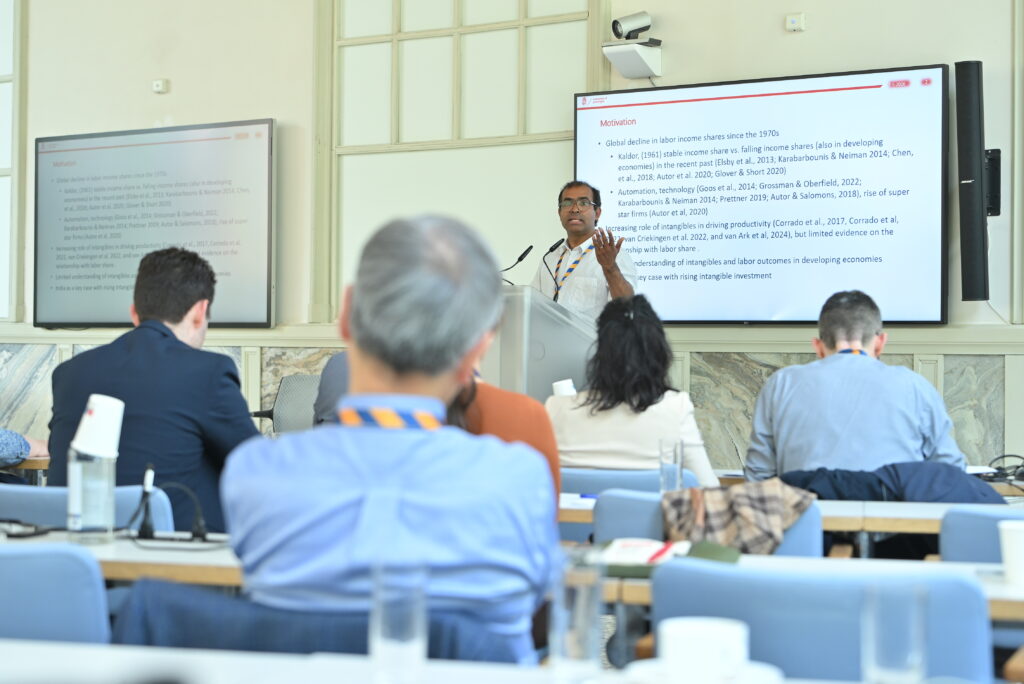
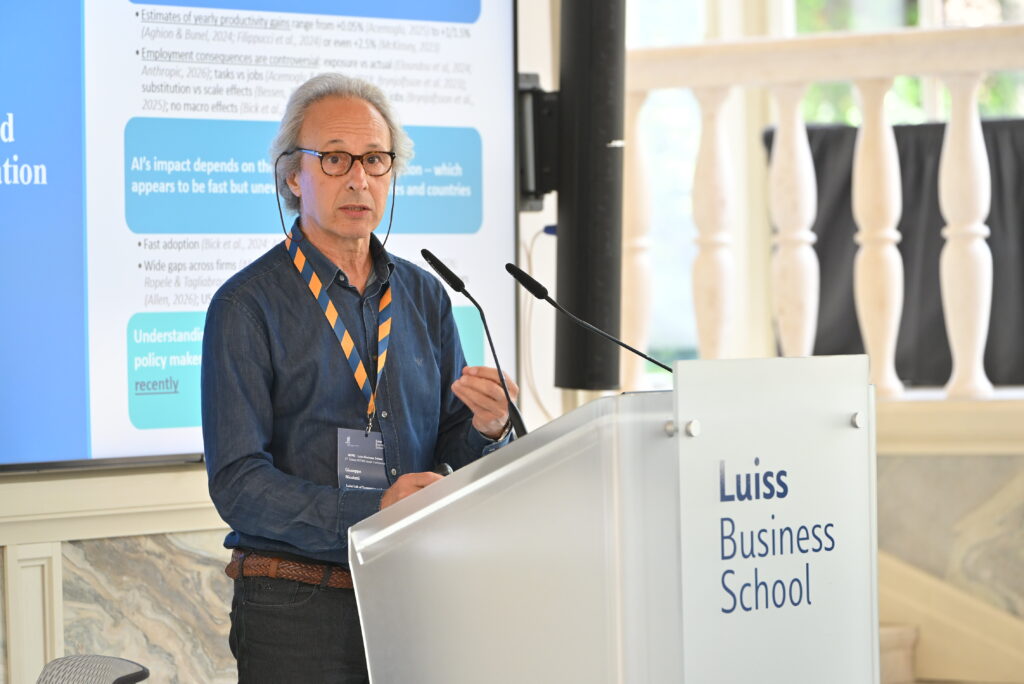
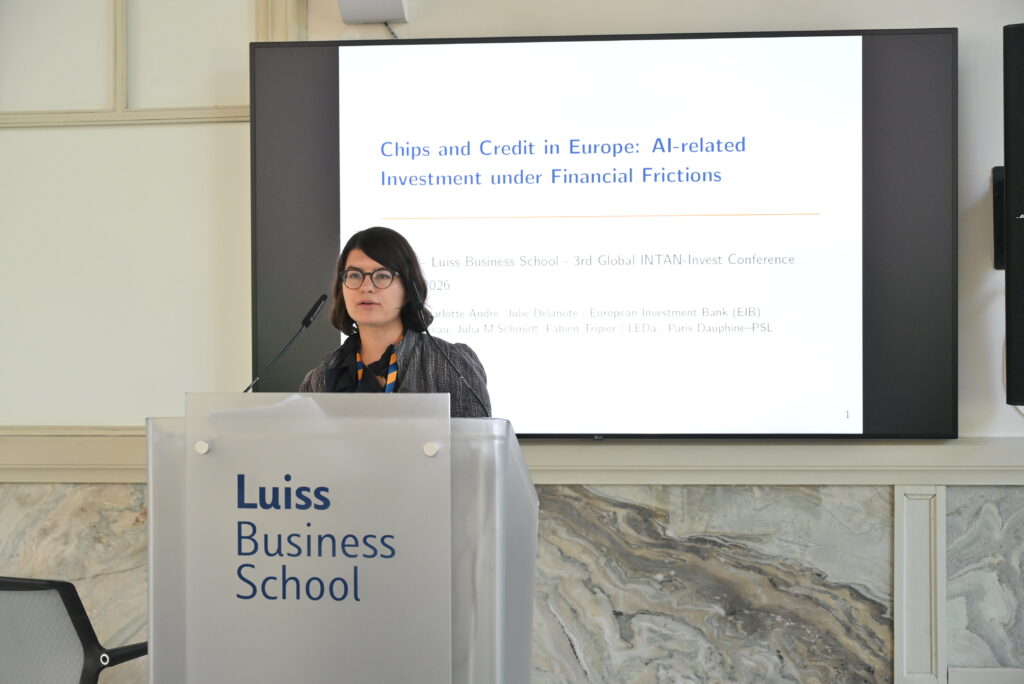
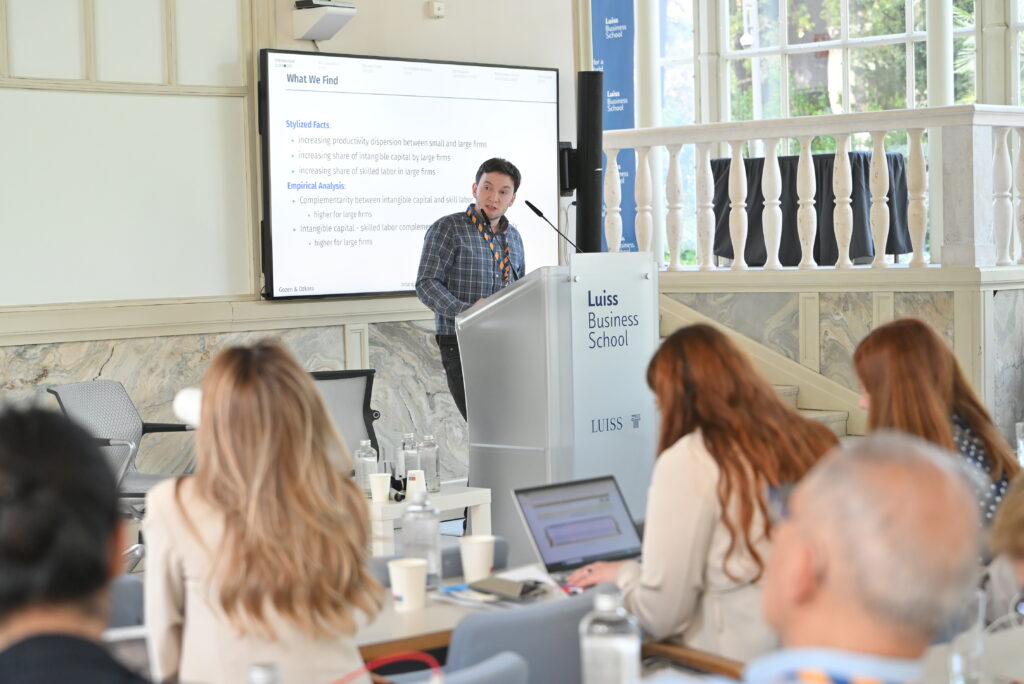
Session 1 presented new data from the Global INTAN-Invest project, with estimates for Canada and the Philippines introduced as new country entries, expanding the project’s global coverage. Complementing these releases, Qingshan Ni of Hunan University presented independent estimates of intangible capital in China, offering an additional geographical perspective on how intangible investment is evolving across major economies. Sessions 2 and 4 examined the relationship between intangible capital, productivity, wages, and skills, drawing on firm-level evidence from Uruguay, India, and Europe, and exploring how financial frictions and labour market dynamics shape intangible investment.
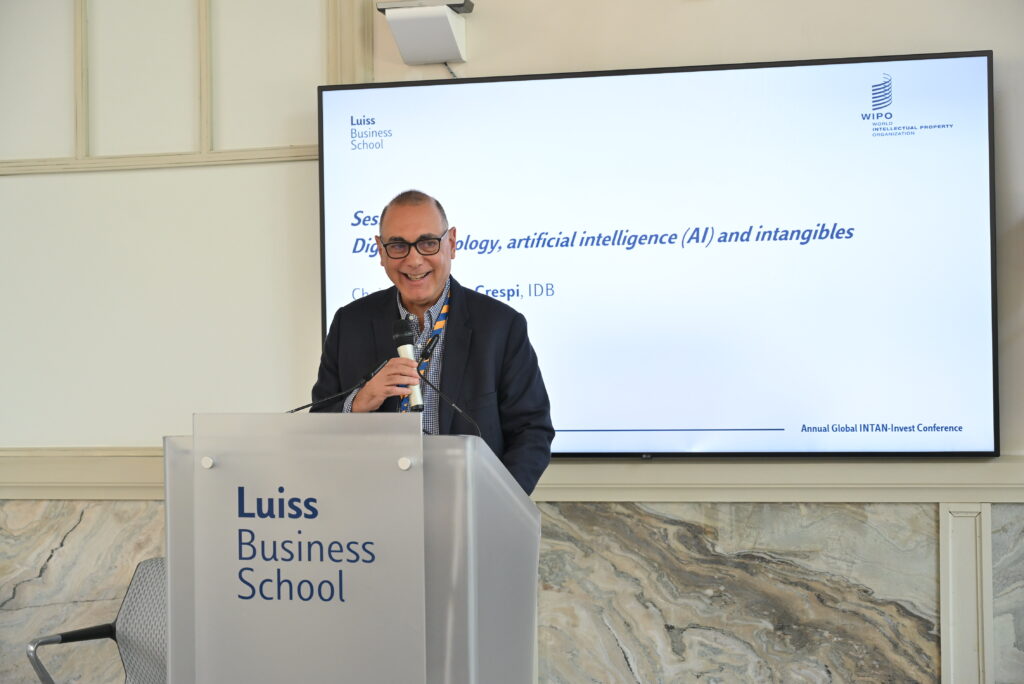
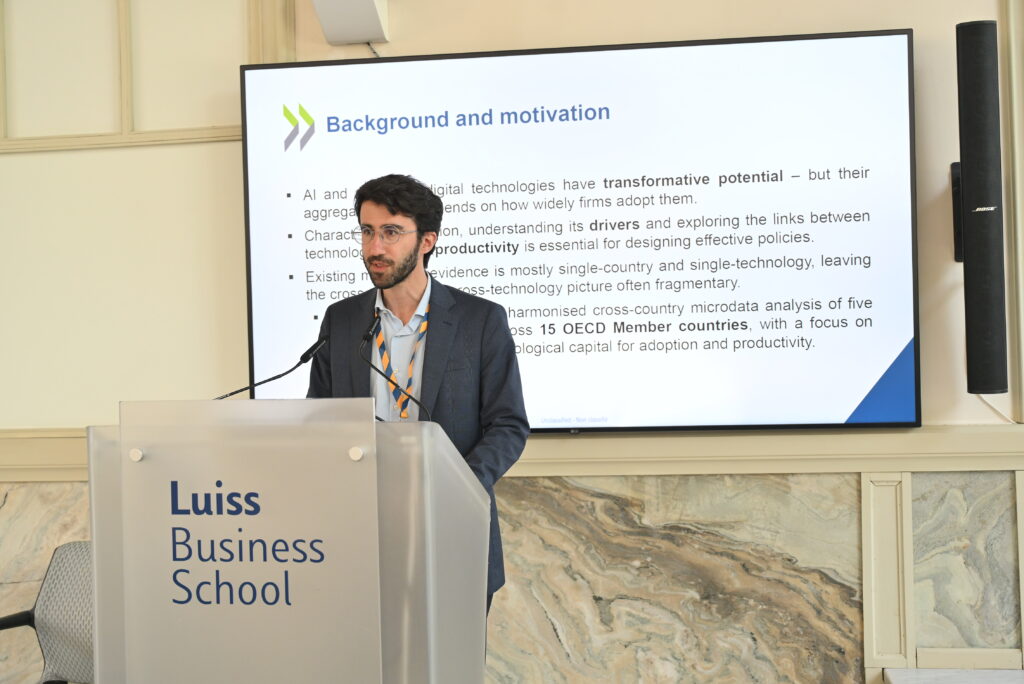
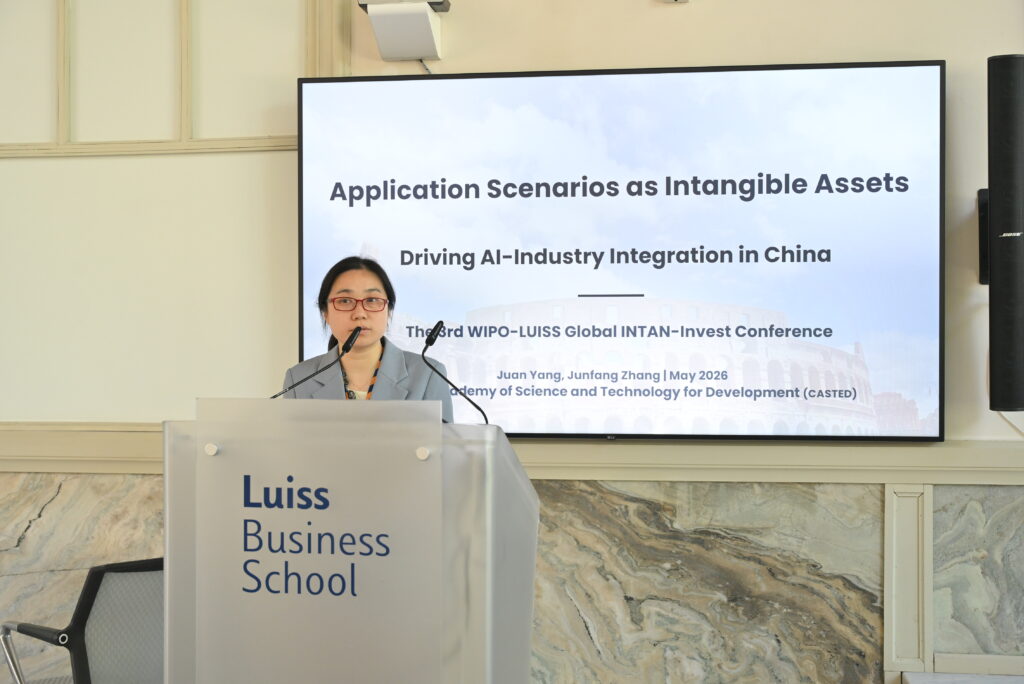
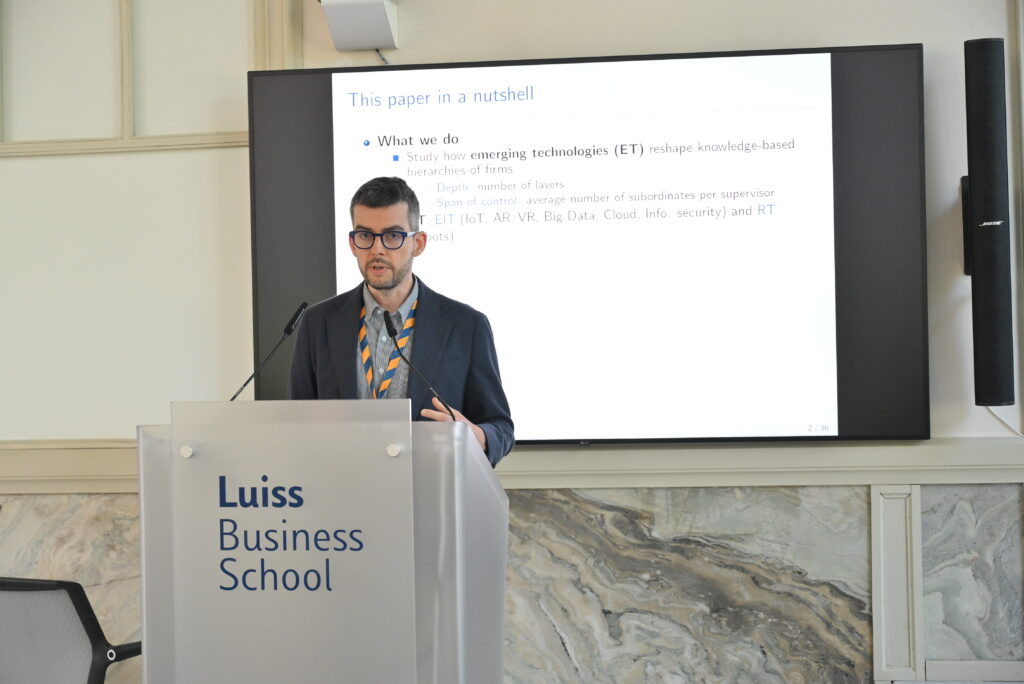
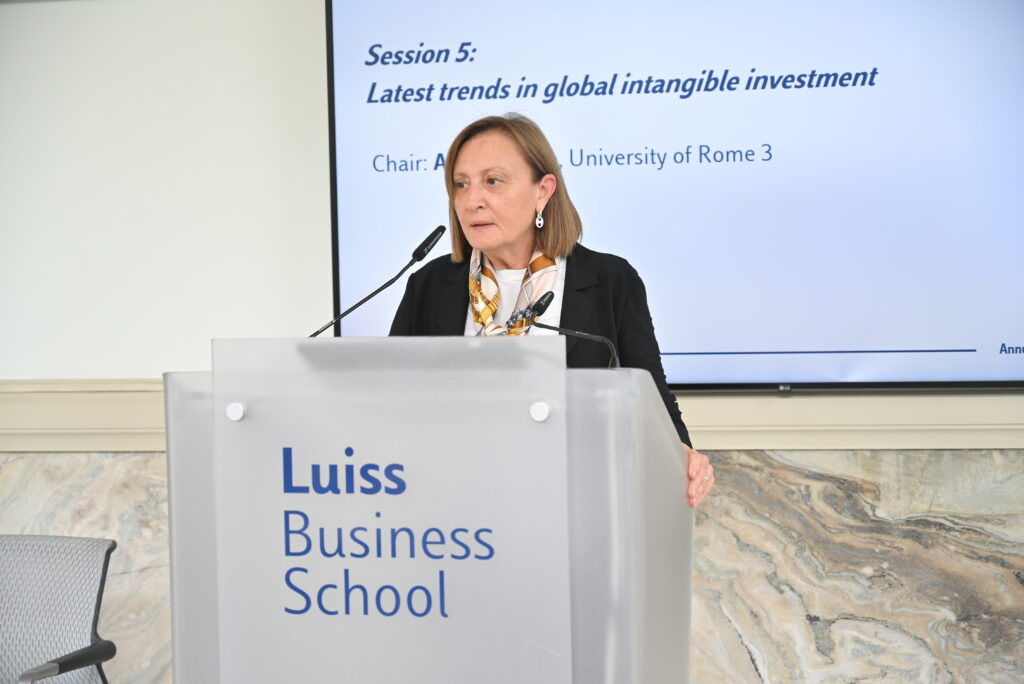
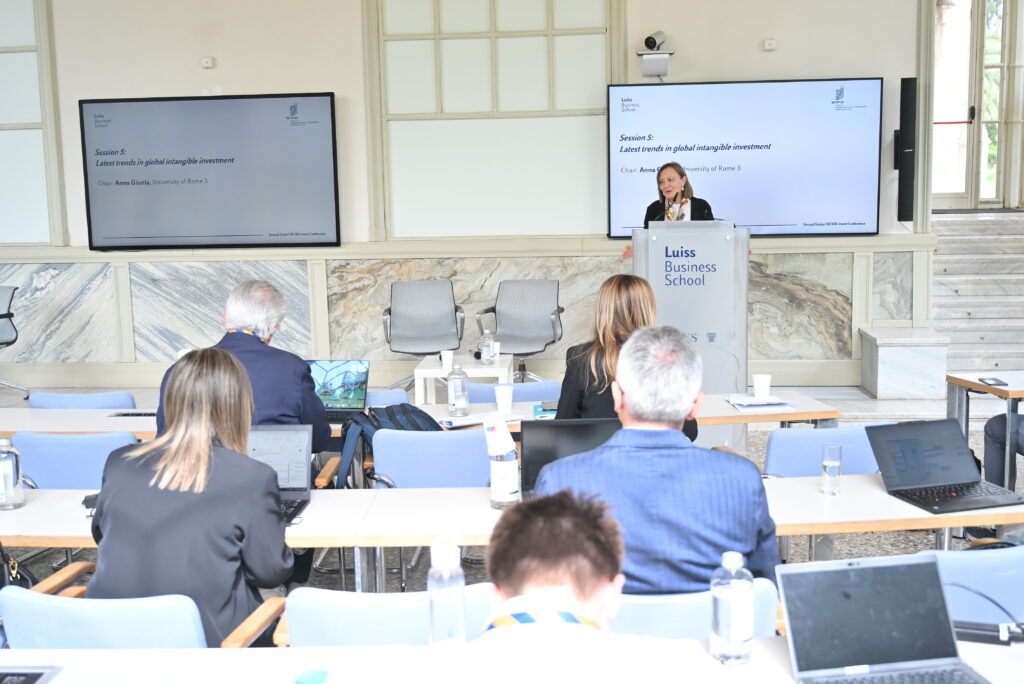
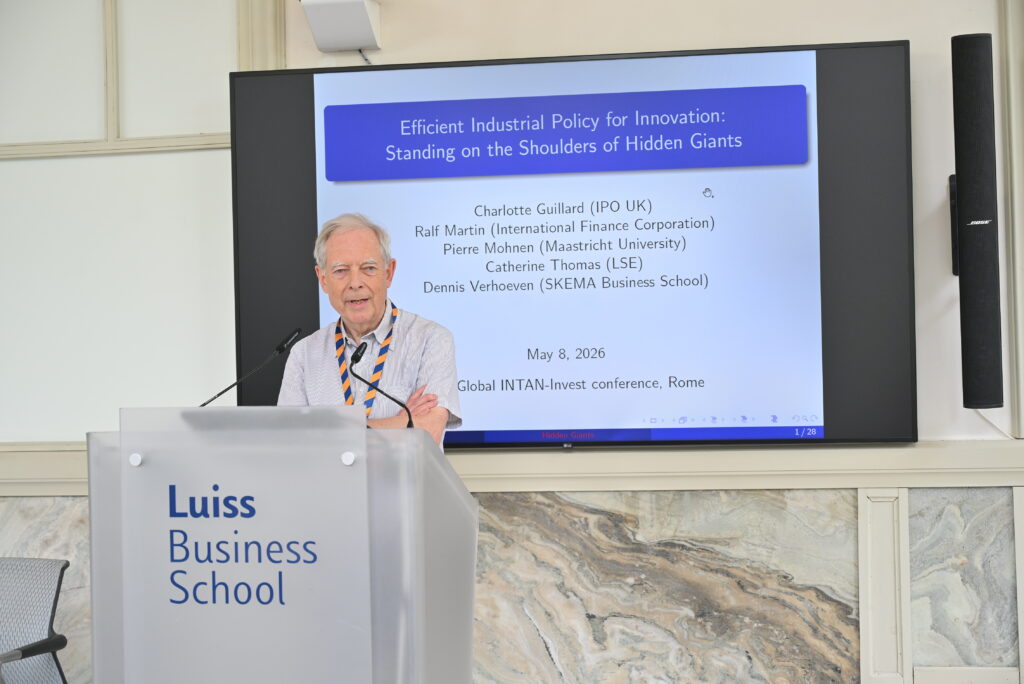
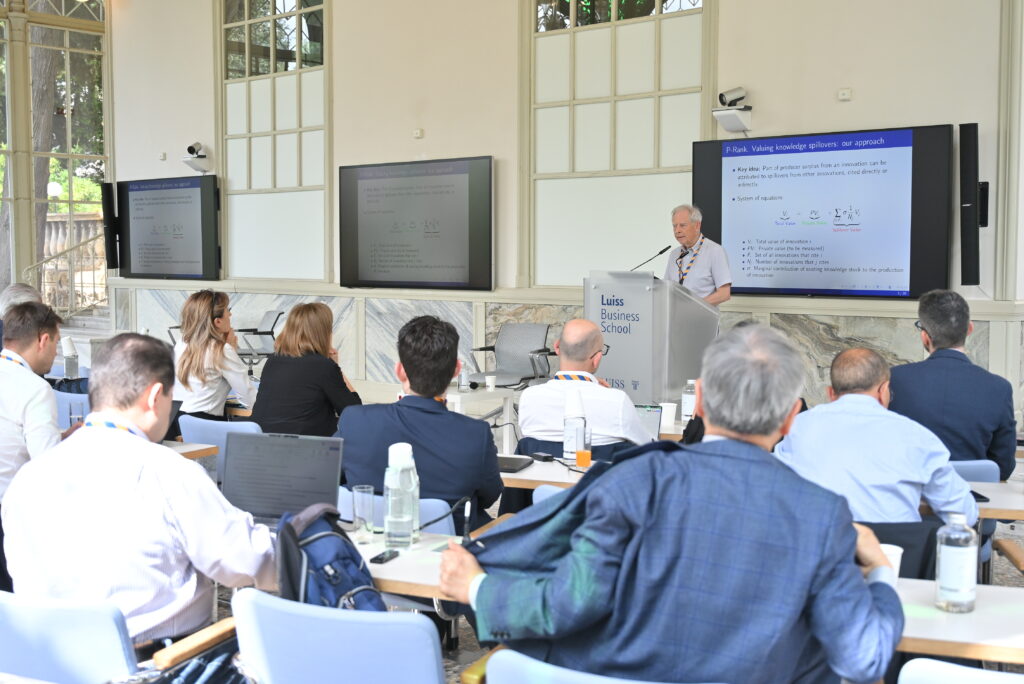
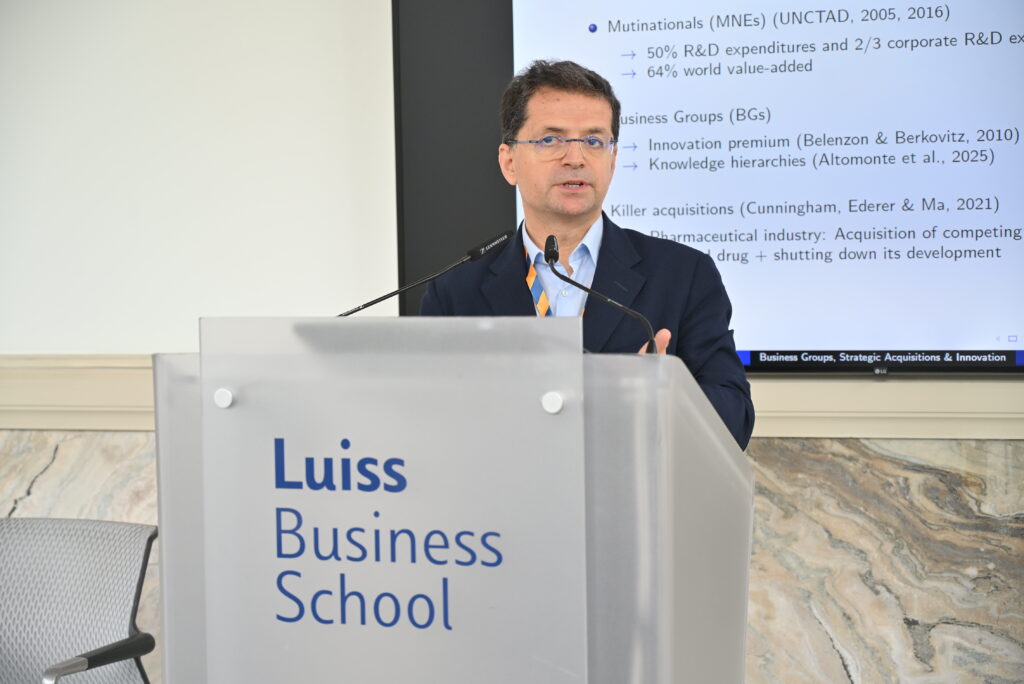
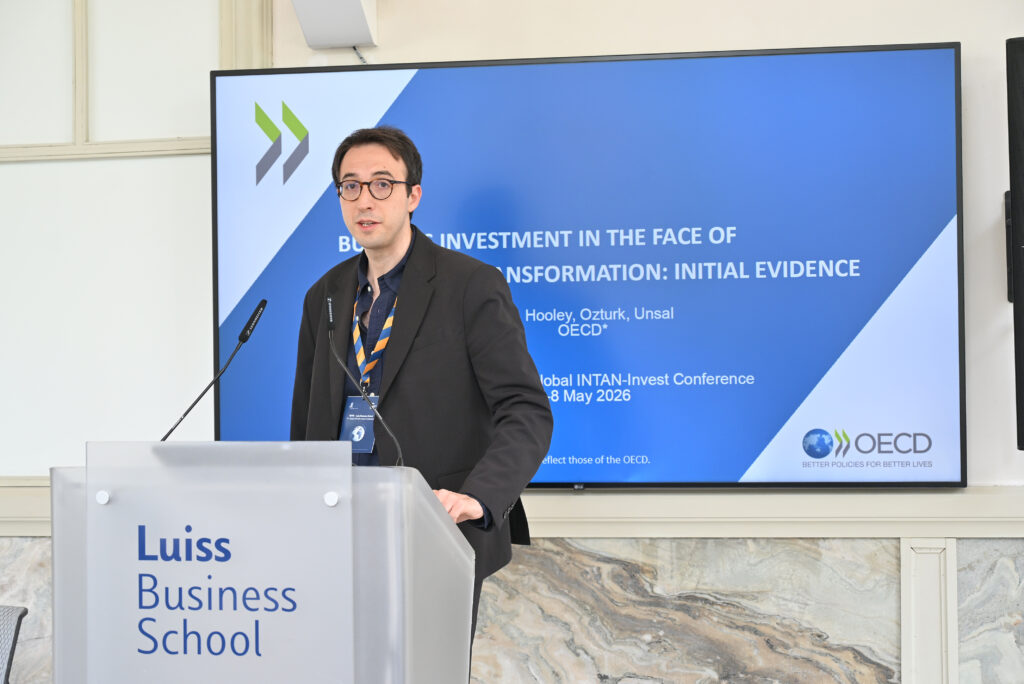
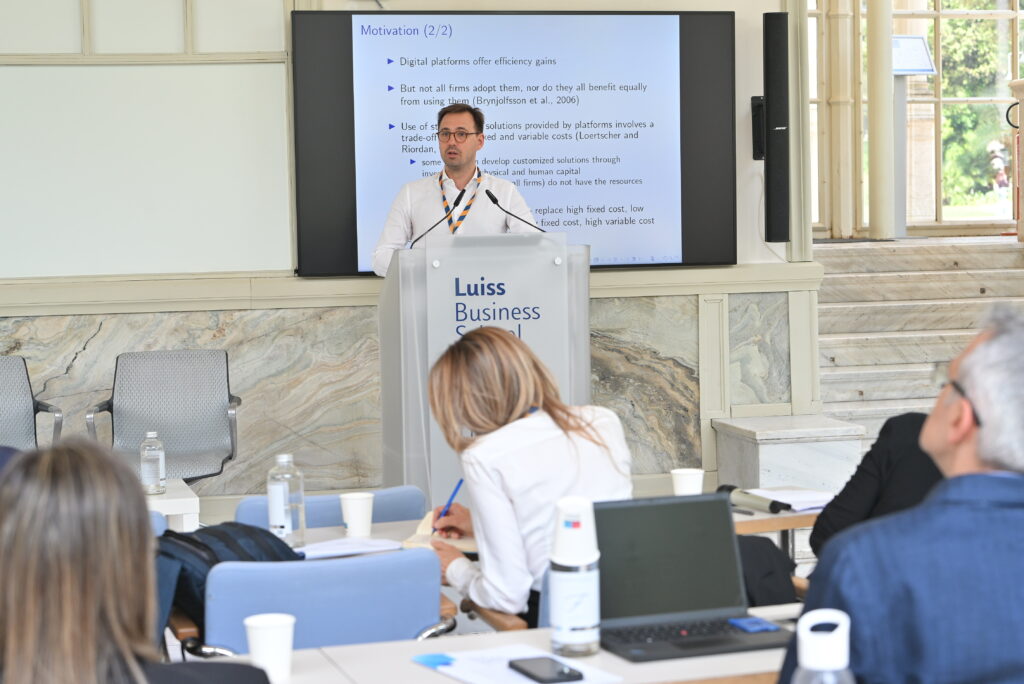
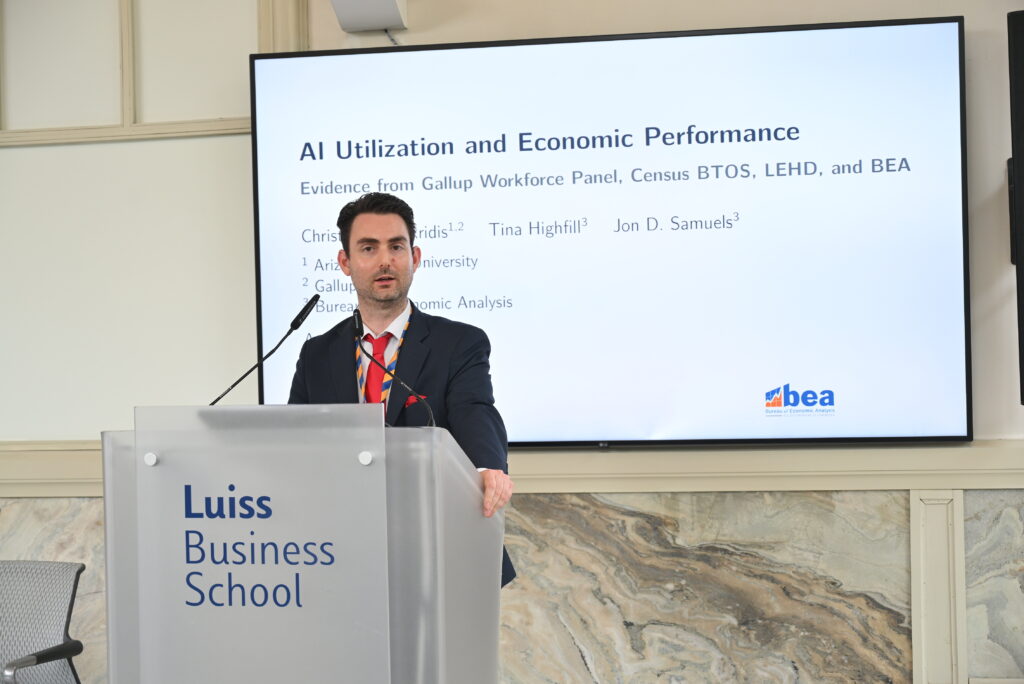
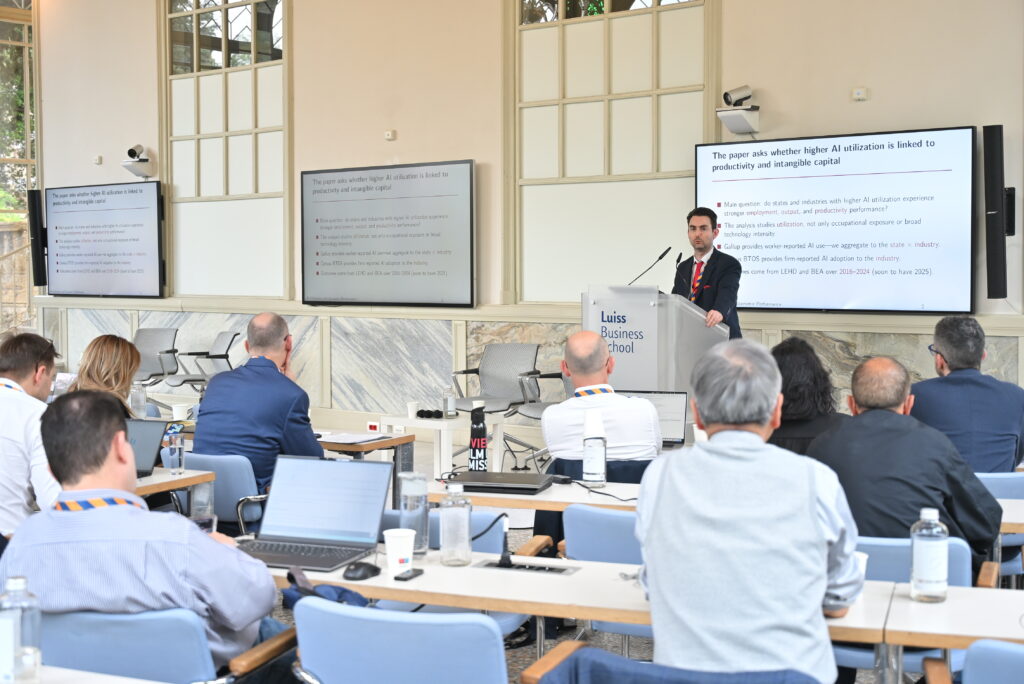
Artificial intelligence featured prominently across the programme. Session 3 examined AI adoption patterns using cross-country microdata (OECD), the drivers of AI uptake in EU countries (LUISS Lab of Economics and Energy Transition), and the integration of AI as an intangible asset in Chinese industry. Session 5 extended the discussion to firm strategy, covering industrial policy for innovation, business group dynamics, and, through EIB-presented research on “Technology Equalizers”, how digital platforms can expand access to intangible tools for smaller firms.
Measurement and Policy
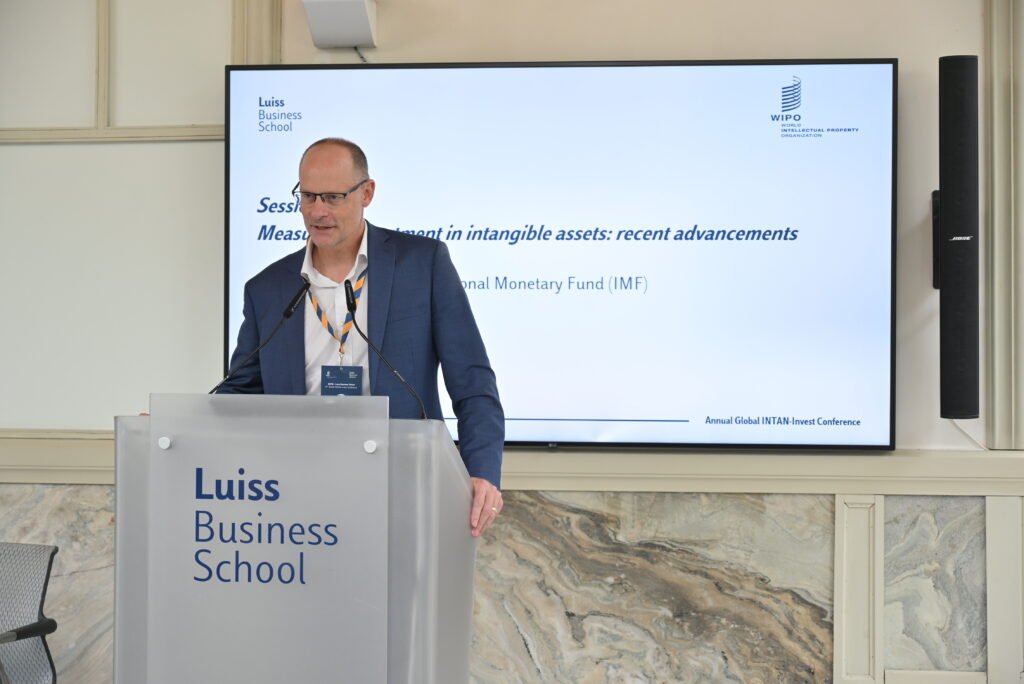
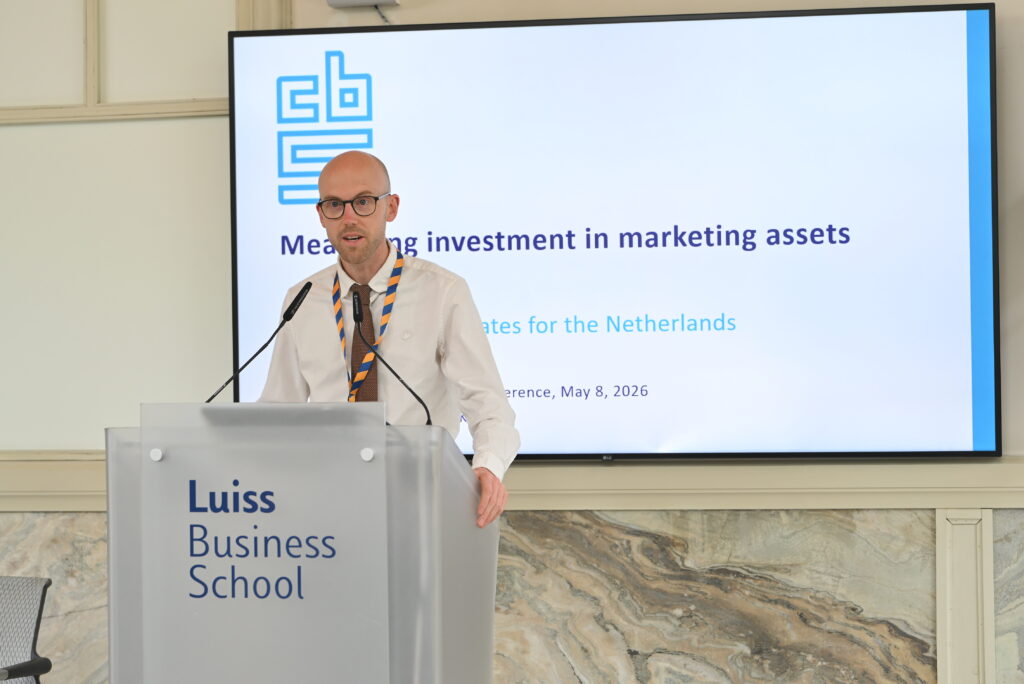
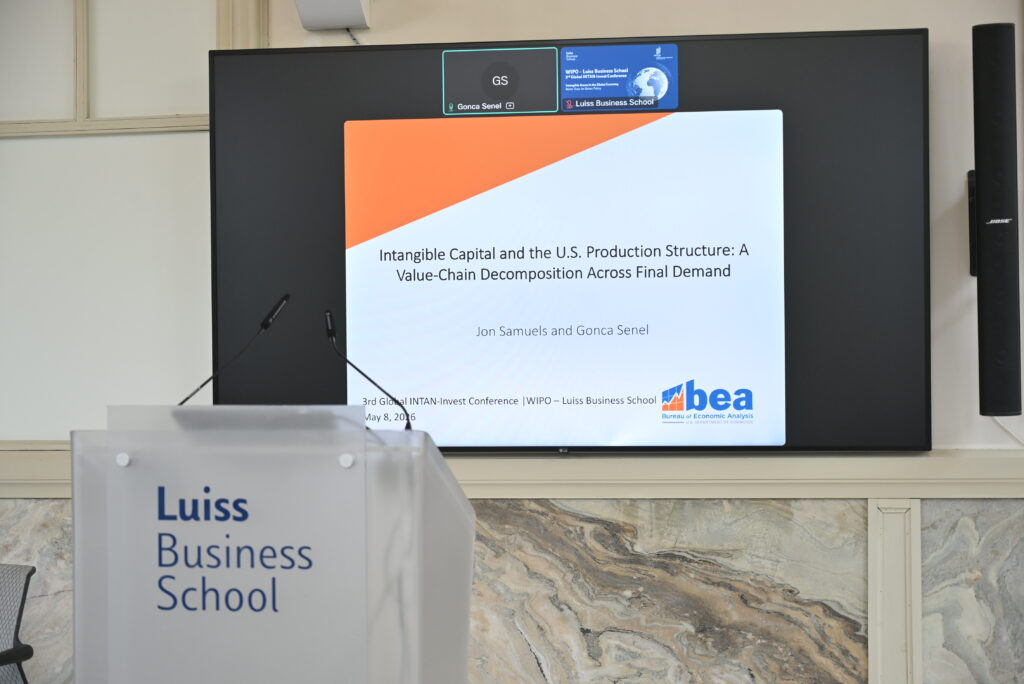
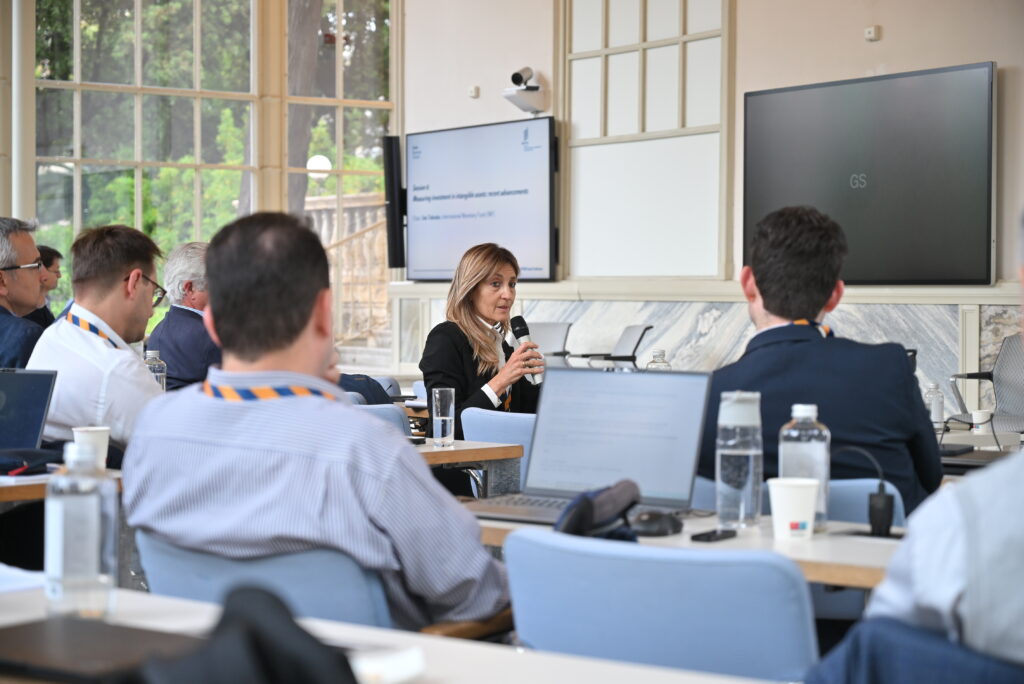
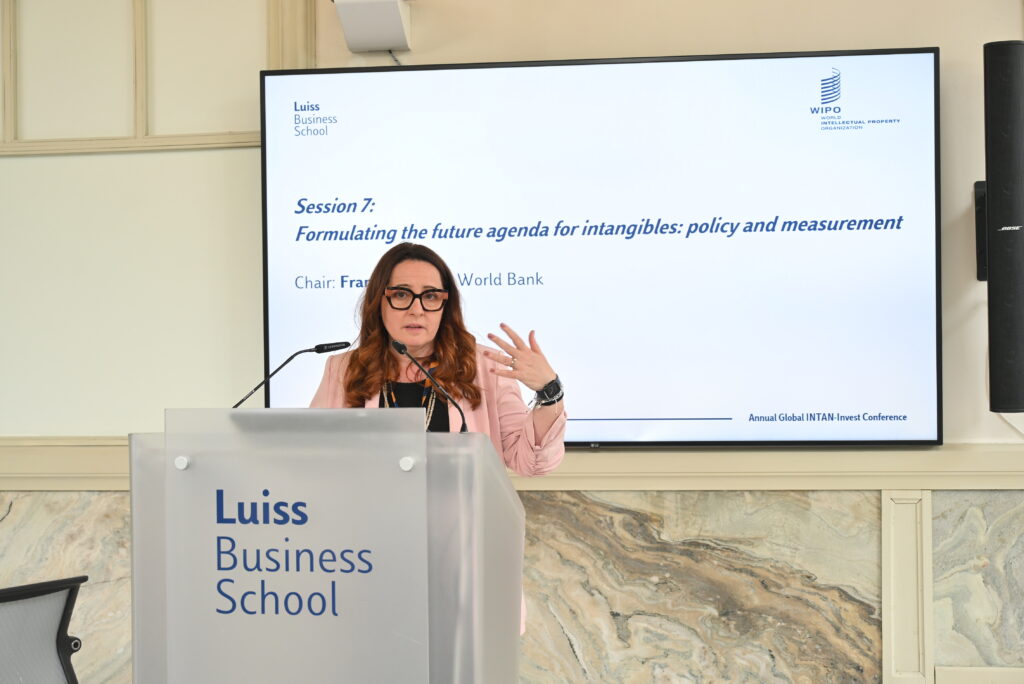
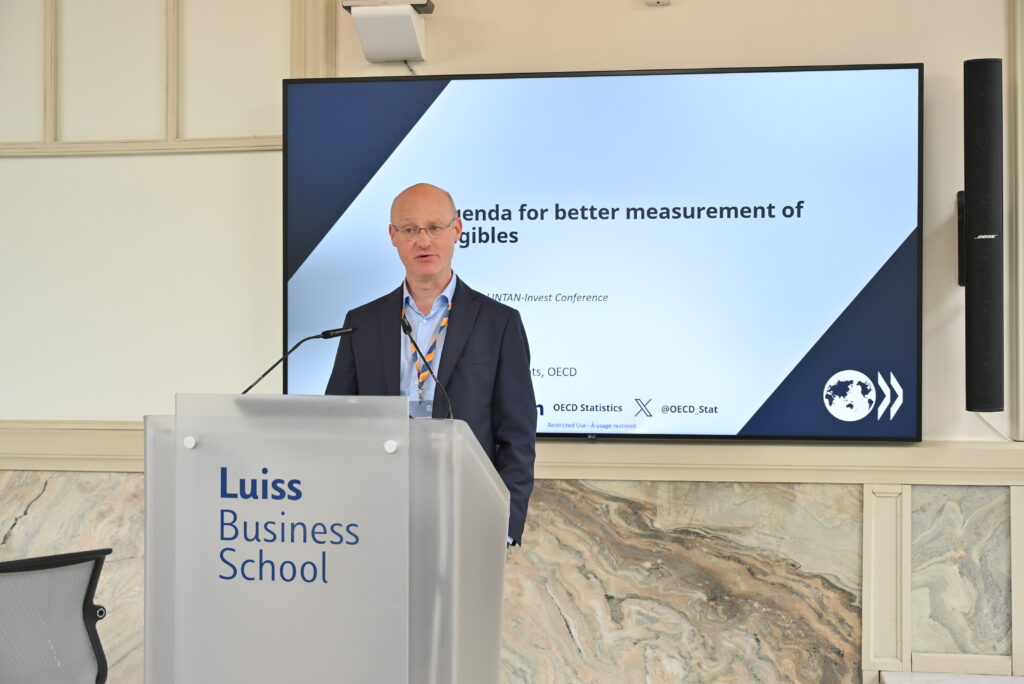
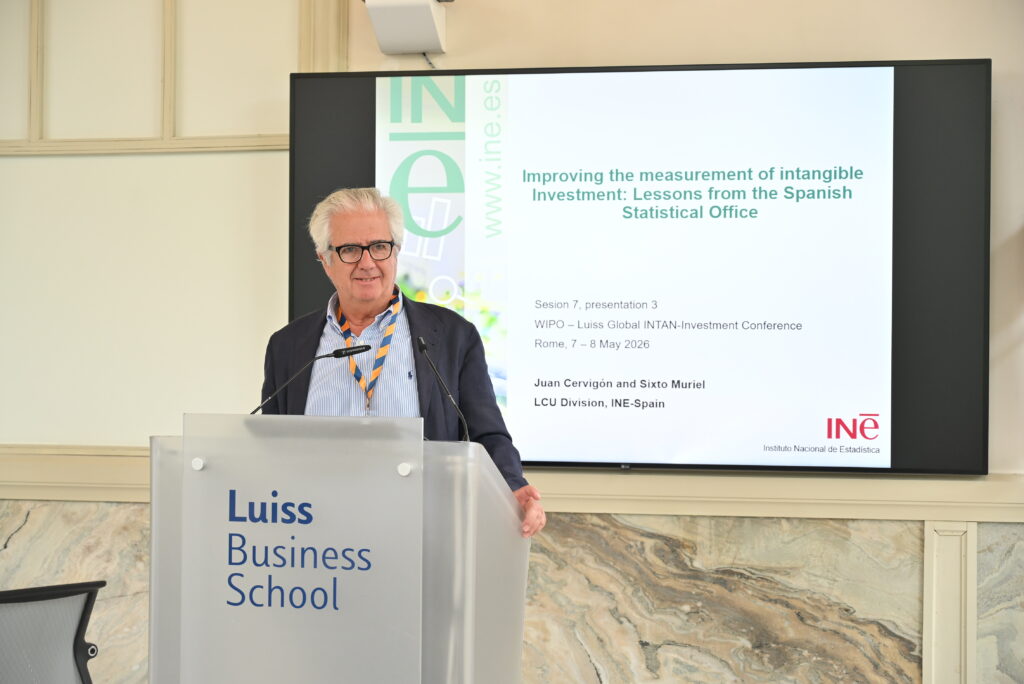
Session 6 addressed the methodological frontier, with presentations on marketing asset estimation, a proposed blueprint for integrating AI investment into U.S. national statistics, and value-chain approaches to measuring intangible capital. Session 7 brought together researchers and statistical offices, including the OECD, Spain’s INE, and the IMF, to outline a forward-looking agenda for improved measurement and policy design.
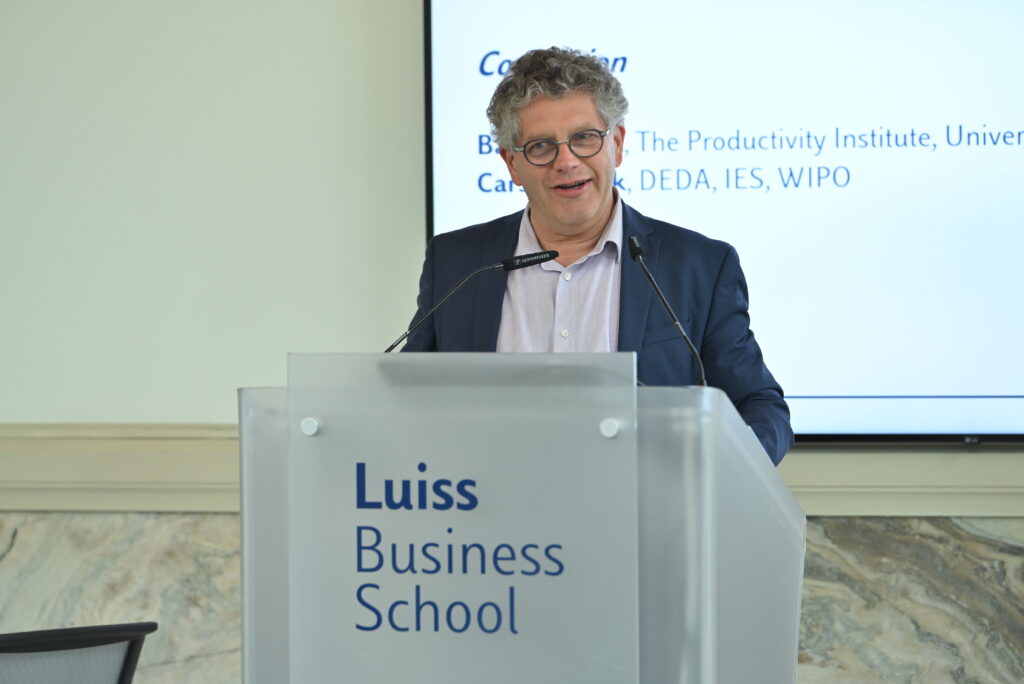
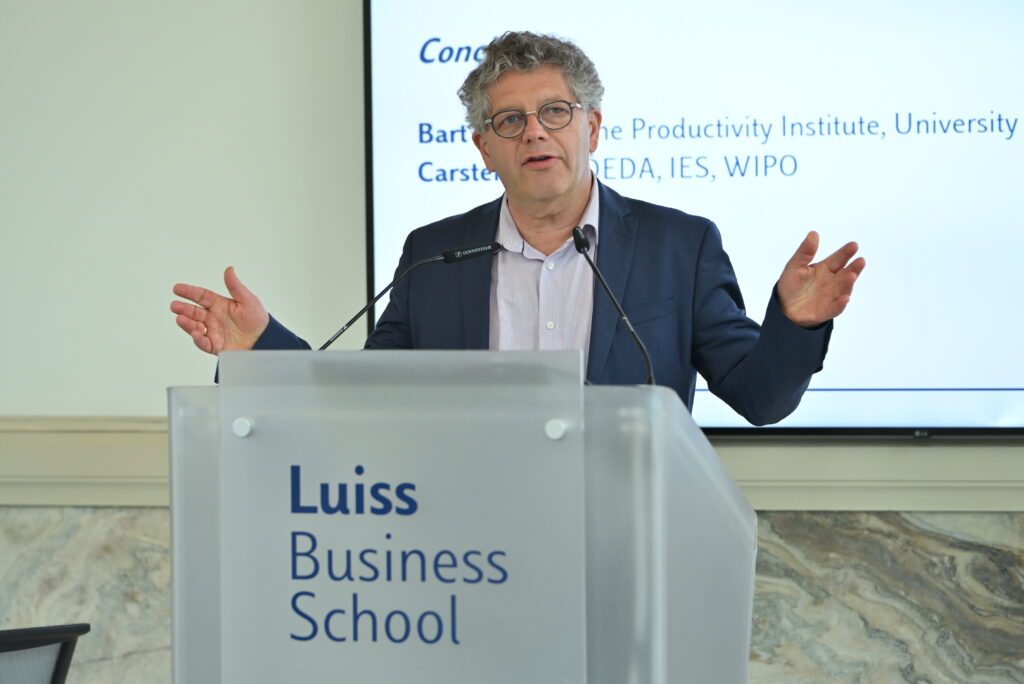
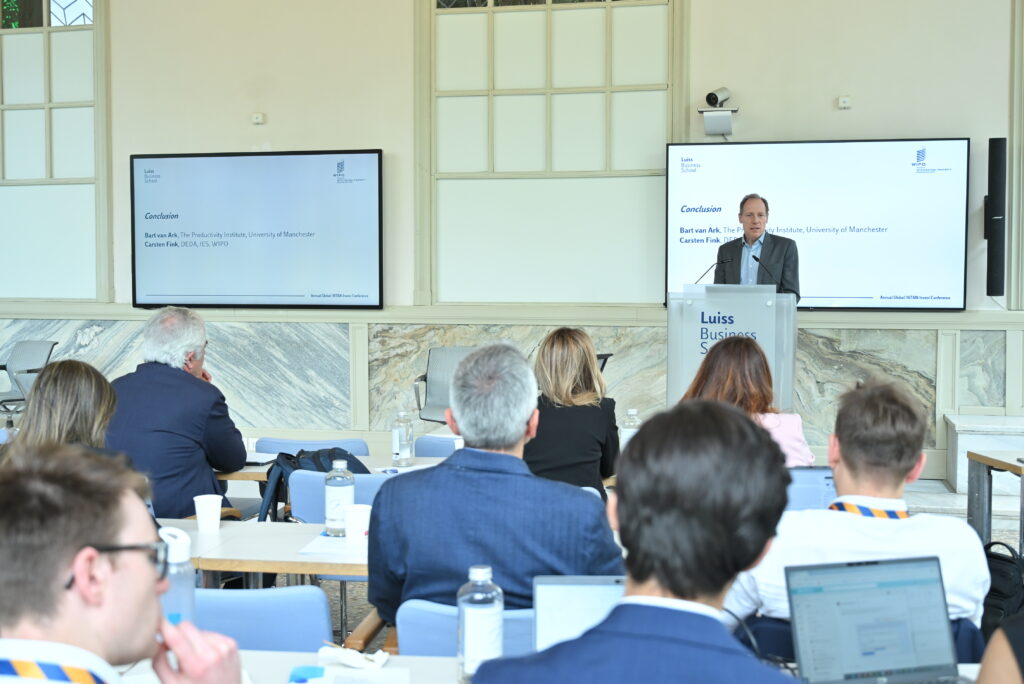
In their closing remarks, Bart van Ark (The Productivity Institute, University of Manchester) and Carsten Fink (WIPO) underlined the progress made in data quality while stressing that policy frameworks must continue to evolve alongside the shift toward intangible-driven economies. The conference concluded with a Steering Committee meeting to set the agenda for the 2027 cycle.