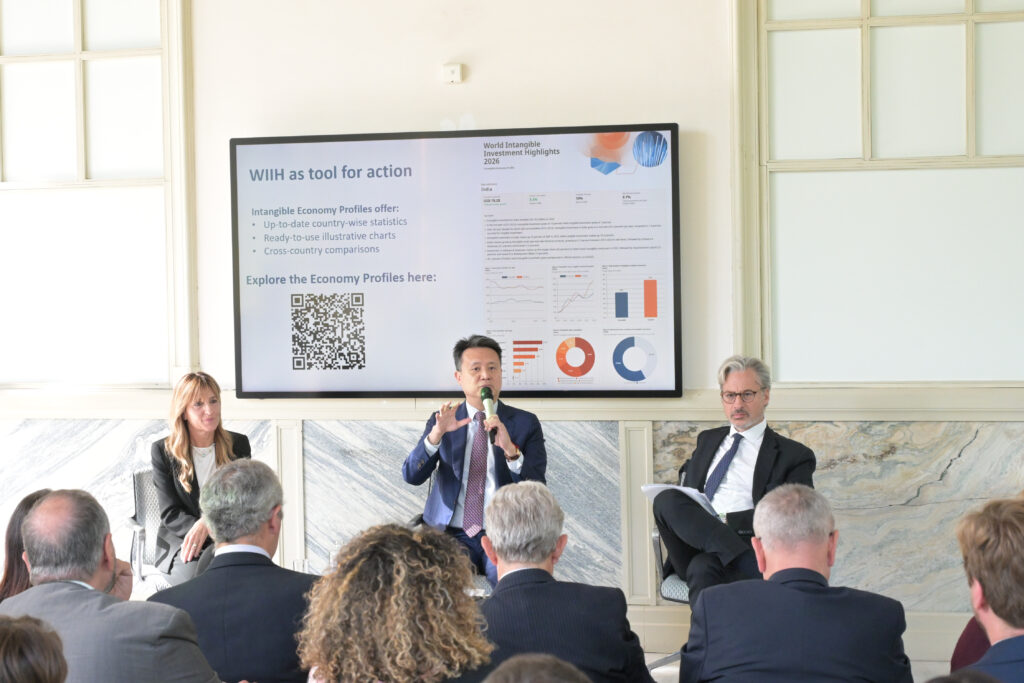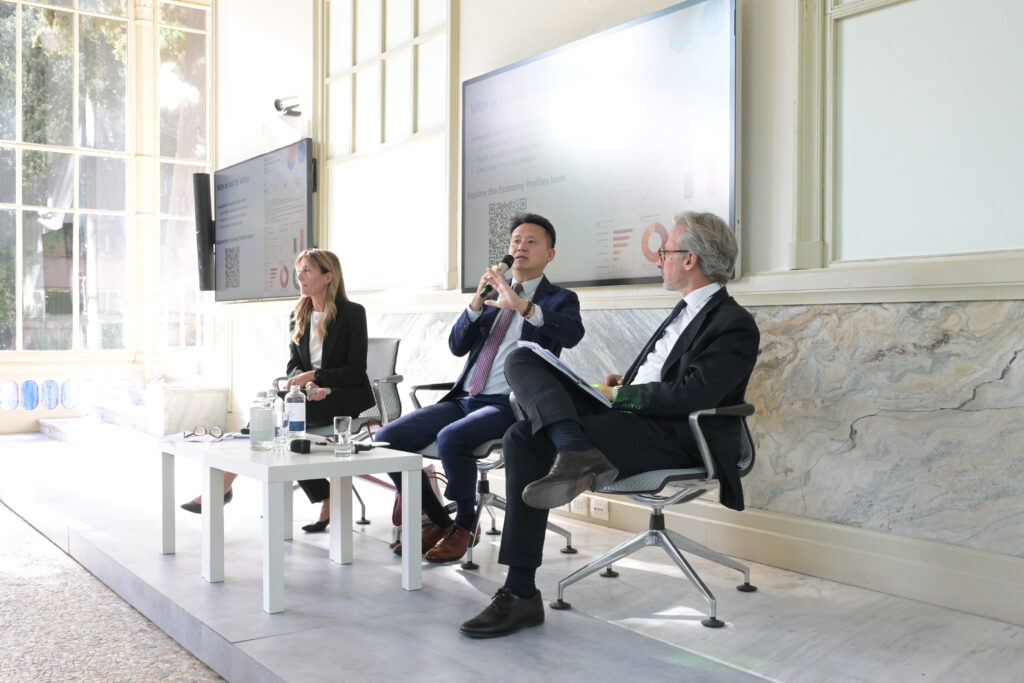
Mapping the Invisible Economy with WIPO Director General Daren Tang at Villa Blanc
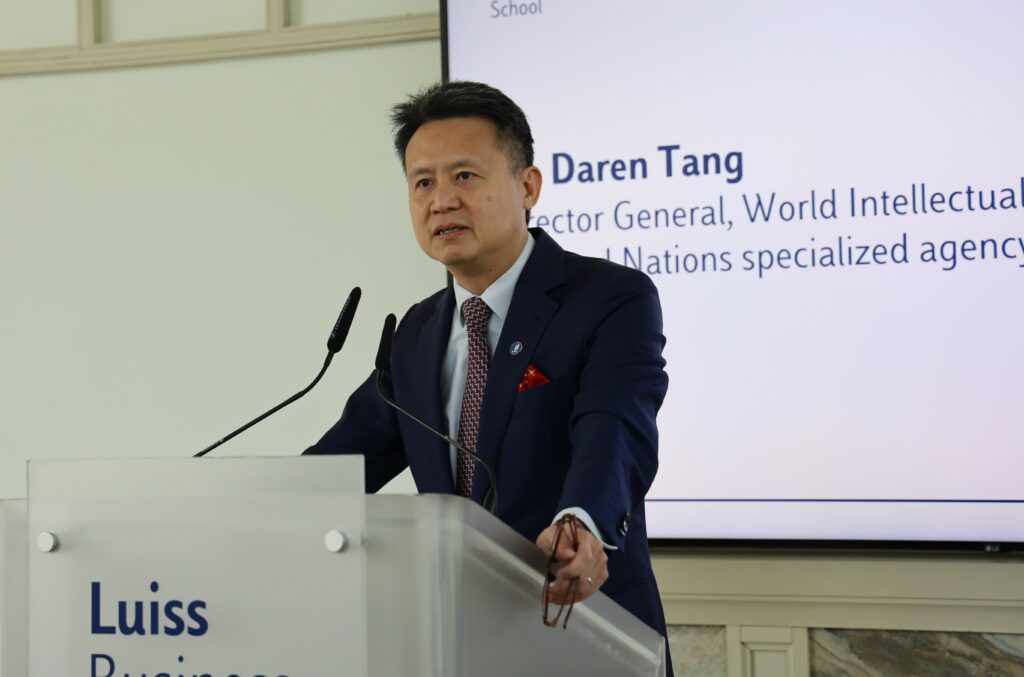
“Intangible assets – from intellectual property and data to software, research and brands – are now at the heart of the global economy, driving growth and competitiveness. Yet much of this investment remains invisible, leaving policy makers and businesses to navigate the modern economy with a blindfold on. Through our partnership with Luiss Business School, we are making the invisible visible and building the evidence base needed to understand where value is really created and to shape the policies and investments that will define the future of our global economy.”
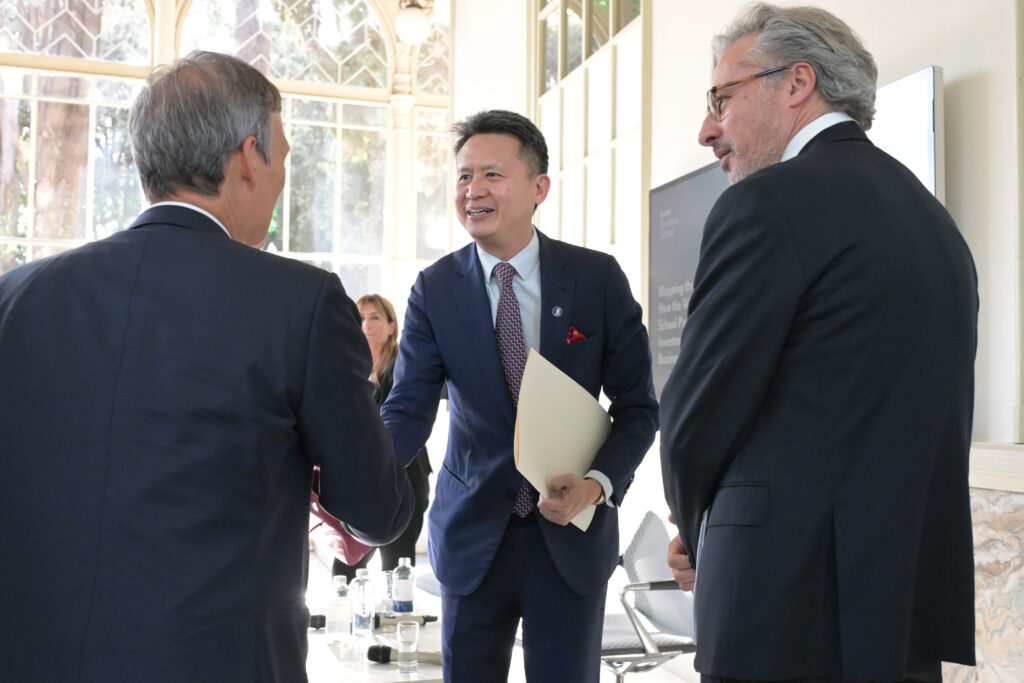
These were the key messages delivered by Daren Tang, Director General of the World Intellectual Property Organization (WIPO), during his keynote address at the “Mapping the Invisible Economy” a lecture hosted on the occasion of his visit to Luiss Business School as part of his official engagements in Rome, for a discussion on the knowledge economy and the growing importance of measuring intangible investments.
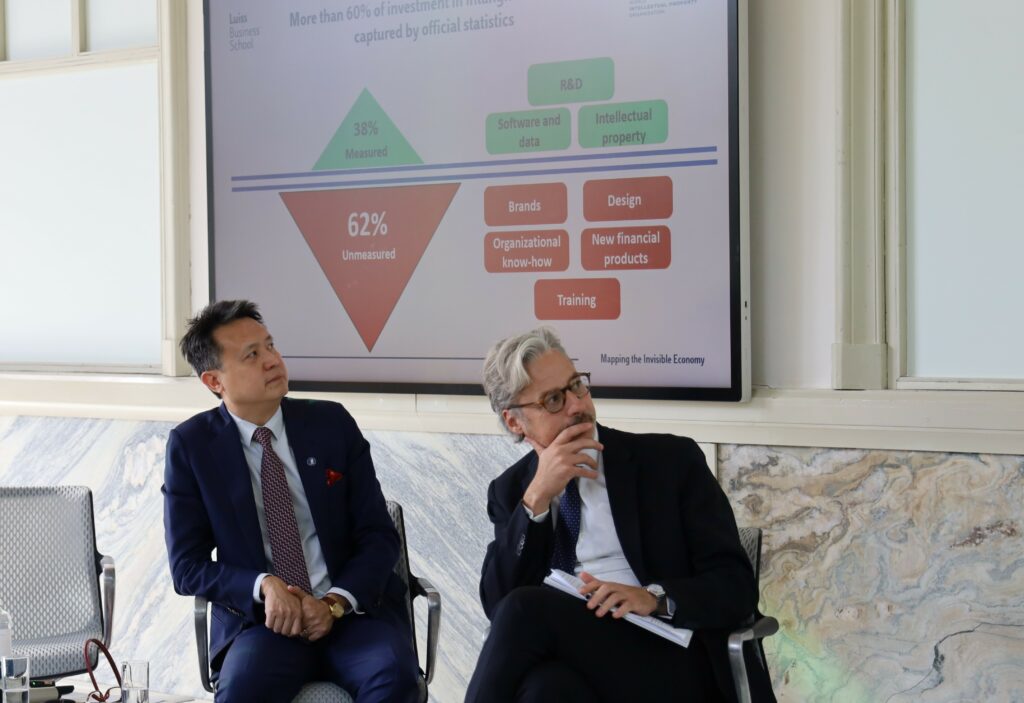
Tang traced the shift from an industrial economy built on physical assets to one increasingly driven by intangible capital, highlighting the need for economic statistics to better capture the changing composition of investment. Global INTAN-Invest seeks to address this measurement gap by providing internationally comparable data on intangible investment, enabling businesses, institutions and policymakers to better assess its contribution to productivity, capital accumulation and economic growth.
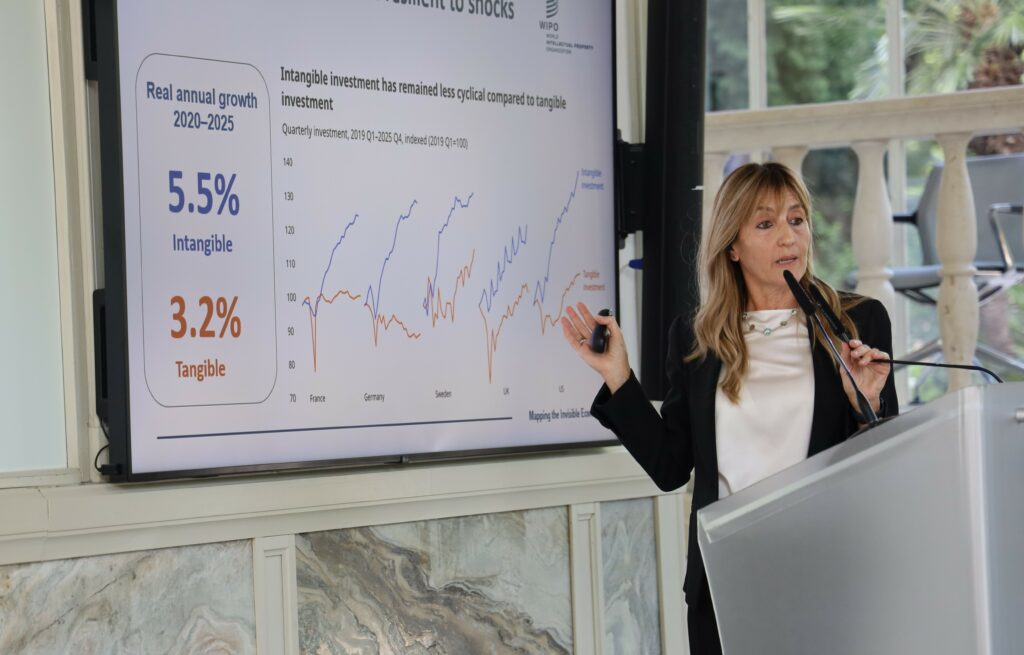
The event was opened by Raffaele Oriani, Dean of Luiss Business School, and brought together representatives from Confindustria, with Marco Nocivelli, Vice President for Industrial Policy and Made in Italy, faculty members and students. Following the keynote address by WIPO Director General Daren Tang, Cecilia Jona Lasinio, Full Professor of Applied Economics at Luiss Business School and Coordinator of the Global INTAN-Invest research project, presented the latest findings of the initiative, drawing on the most recent edition of the World Intangible Investment Highlights. For the first time, she also unveiled WIPO’s newly developed Intangible Economy Profiles 2026, which provide accessible country-level snapshots of intangible investment trends through ready-to-use statistics and illustrative charts. The presentation offered an updated perspective on global trends in intangible investment and their implications for economic competitiveness.